






Introduction: Why this practical guide is essential in Coimbra
Coimbra is a lively, historic city known for its university (Universidade de Coimbra – Paço das Escolas), its medieval lanes and the banks of the Mondego River. But like any popular tourist spot, visitors can run into scam attempts—especially when taking a taxi. This hands-on guide walks you through step by step how to avoid taxi scams in Coimbra with concrete actions, exact locations, up-to-date fare ranges, schedules, checklists and short scripts you can use if needed. The goal: help you get around by taxi with confidence and no surprises on the fare, whether you arrive late at night or are traveling with heavy luggage.
This is not a theoretical overview: every recommendation is immediately actionable. You’ll find, for example, the main taxi ranks (like the one outside the station and the Baixa rank), the numbers and behaviours to always request, typical price ranges for common trips (station → historic centre, centre → Universidade, trip to Conimbriga), usual taxi hours and alternatives (apps, local buses, pre-booked transfers). I also describe real situations: how to politely refuse a ride if the meter is off, how to get a receipt, what to do if the driver takes a clearly longer route and how to report a complaint to the Polícia Municipal de Coimbra and the radio-taxi companies.
Maybe you’re planning an arrival at Estação Coimbra-B at 11pm or you’re finishing a visit at the Biblioteca Joanina and wonder if it’s safe to grab a taxi on site. This guide gives you a 5-step protocol tailored to Coimbra with where to stand, fares to request, a pre-ride checklist and key phrases in Portuguese and English to clarify the trip. At the end you’ll have a ready-to-use roadmap: who to call, what to ask, how much to pay and how to document a scam if it happens.
Before you start, note two golden rules: 1) always choose an official taxi (marked “táxi”, with a visible meter and license) and 2) prefer booking via a radio-taxi or a reputable app whenever possible. This guide shows you exactly how to apply those rules in daily life in Coimbra.

1. Step 1 — Prepare the ride: where to wait and how to book safely (250+ words)
Before you get in a taxi, pick the right pickup spot. In Coimbra the official taxi ranks are the safest options: Estação Coimbra-B, Estação de Coimbra (Praça 8 de Maio), Praça do Comércio (Baixa), Largo da Portagem and in front of the Hospital Universitário (Avenida Bissaya Barreto). Here are the exact addresses:
- Estação Coimbra-B — Avenida Fernão de Magalhães, 3040-171 Coimbra. Taxi rank at the main exit on the parking side.
- Estação de Coimbra / Praça 8 de Maio — Praça 8 de Maio, 3000-300 Coimbra. Main exit towards the Baixa, official taxi rank in front of the square.
- Praça do Comércio (Baixa de Coimbra) — Praça do Comércio, 3000-145 Coimbra. Taxi row on the river side.
- Largo da Portagem — Largo da Portagem, 3000-300 Coimbra. Frequent pickup point for taxis heading to the Universidade.
- Hospital Universitário de Coimbra — Avenida Bissaya Barreto, 3000-075 Coimbra. Taxi rank in front of the main entrance.
Booking a taxi by phone or via an app greatly lowers the risk of being scammed. Two reliable options:
- Rádio Táxis Coimbra (central) — a convenient contact point for bookings. If a driver offers a fixed price before departing, ask for the dispatcher’s confirmation of the fare and the company name.
- Ride-hailing or radio-taxi apps (e.g. Bolt, Free Now depending on availability) — fare estimate and route visible in advance; in-app payment is often possible.
Checklist before you head out to catch a taxi:
- Locate the nearest official taxi rank (see addresses above).
- If you’re at the station, use the official taxi queue and avoid drivers approaching you individually.
- If booking by phone, note the time, the dispatcher’s name and the vehicle number if given.
- Download a booking app (Bolt / Free Now) and link a payment method if you want to avoid cash.
Hours: the ranks listed operate 24/7 but taxi frequency drops after midnight (00:00–01:00). From around 01:00 onward, prefer phone or app bookings: waits do increase but a reservation avoids negotiating outside a rank.

2. Step 2 — Check the taxi before you get in: visible signs and questions to ask (250+ words)
Before you open the door, check these visible elements on the vehicle and ask a few short questions. This quick check weeds out about 95% of scam attempts.
- Official registration — The taxi should display a license plate and a rooftop “táxi” sign.
- Company and license — Look for the sticker or interior panel showing the license number (Licença municipal) and the company name. Note it down if you’re unsure.
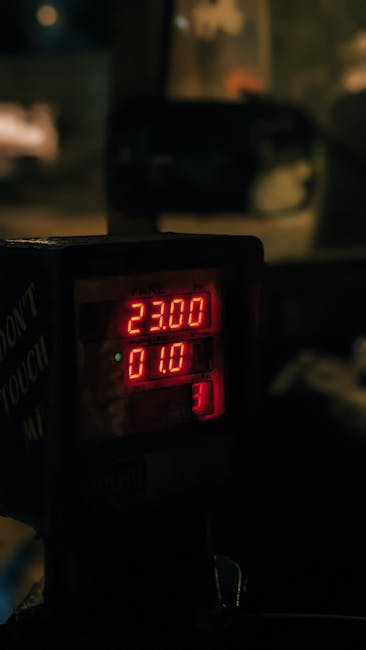
- Meter — It must be working and visible. If the meter is off, ask the driver to switch it on before you start. Refuse to get in if the driver refuses to turn on the meter.
- Receipts — Check for a paper receipt roll (cupão) near the meter or ask for an invoice (factura) if needed.
Short example questions to ask (Portuguese + English):
- « Quantos euros até ao Largo da Porta Férrea? » / « How much to Largo da Porta Férrea? » — ask for an indicative price if you’re not using the meter (don’t accept if the driver insists on a fare well above the ranges below).
- « Pode ligar o taxímetro, por favor? » / « Can you turn on the meter, please? » — essential before departure.
- « Posso ter um recibo, por favor? » / « Can I have a receipt, please? » — always ask.
Typical fare ranges in Coimbra (indicative, in euros):
- Flag fall (initial charge, daytime): €3.50 – €4.00
- Price per km: €0.60 – €1.00 (varies with travel time and time of day)
- Surcharges: night (between 22:00 and 07:00) +20% to +30%; luggage +€1.00 per item if applicable
- Concrete examples: Estação de Coimbra → Universidade (Largo da Porta Férrea): €4.00 – €6.00; Estação Coimbra-B → Baixa (Praça do Comércio): €6.00 – €9.00; Coimbra → Conimbriga (archaeological ruins, 16 km): €25 – €35
If the driver starts the trip with the meter off or offers a fixed fare far above the ranges, politely refuse and suggest calling the rádio-táxis (or use the app). Be prepared to get into a different taxi if needed.
3. Step 3 — During the ride: monitor the route, time and detours (250+ words)
Once you’re seated, stay alert: some drivers may lengthen the route to increase the fare. In Coimbra, detours can easily add 10–20 minutes by using the old town’s narrow streets. Here’s how to stay in control.
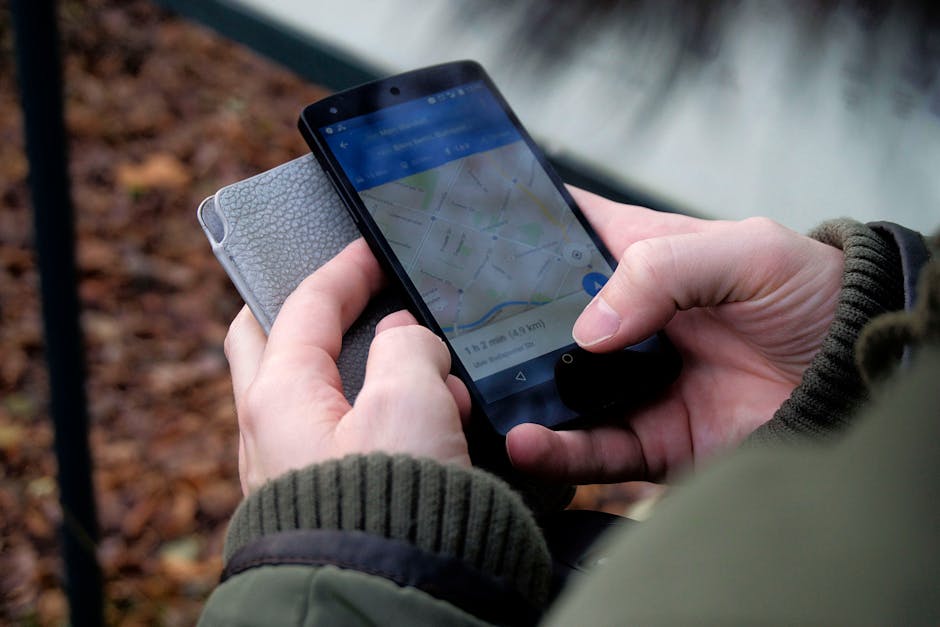
- Keep the route handy — Use Google Maps (driving mode) or Maps.me. Enter the exact destination before you leave: for example, “Largo da Porta Férrea, 3000-447 Coimbra (Universidade de Coimbra main gate)”. If the driver takes an obvious detour, show the map and ask politely why.
- Watch the time and the meter — Note the departure time and the meter reading at the start of the trip (ask the driver if he didn’t show it). Check the same number on arrival to confirm consistency.
- Quick phrases to use: « Estamos a ir pela rota mais curta? » / « Are we taking the shortest route? »; « Pode ver o mapa? » / « Can you check the map? »
Recommended routes and approximate times (daytime, without traffic):
- Estação de Coimbra (Praça 8 de Maio) → Largo da Porta Férrea (Universidade de Coimbra): 6–10 minutes, 2.2 km.
- Praça do Comércio (Baixa) → Biblioteca Joanina (Paço das Escolas): 6–9 minutes, 1.6 km across the climb of Rua Quebra-Costas.
- Estação Coimbra-B → Praça do Comércio: 10–15 minutes, 4–5 km depending on the route.
If you spot an unjustified detour:
- Ask calmly why the driver chose that route.
- If the answer is unsatisfactory, ask to get out and continue on foot or call another taxi—take a photo of the taxi number and license plate before you step out.
- If you’re in a hurry or in an unfamiliar area, note the exact address where you get out and as many details as possible (time, taxi number, photo of the vehicle).
For evening rides, prefer card or app payments which reduce disputes over the amount. Always ask for a recibo (receipt); it contains the trip number and vehicle license, useful if you need to file a complaint.
4. Step 4 — Paying and handling disputes: receipts, complaints and evidence (250+ words)
Once you arrive, the way you pay and document the trip is crucial if you need to dispute a fare. Here’s a clear, practical procedure to follow.
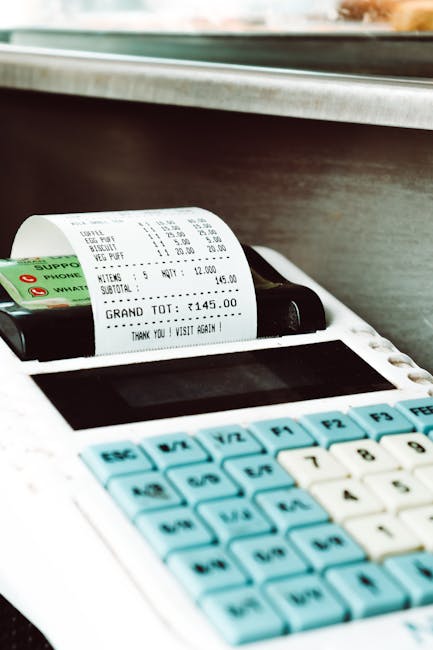
- Always ask for a recibo (receipt) — It should be printed and include: date, time, taxi number, amount and license number. If the driver refuses, refuse to pay cash until you get the receipt—prefer payment through the app if possible.
- Immediate amount check — Compare the total shown on the meter with the receipt. If they differ, ask for a written explanation and the rádio-taxi number.
- Card payments — If the taxi accepts card, prefer this method: a bank record leaves a trace. Request the receipt even for a card payment.
What to do in case of a scam: immediate steps
- Note the time, the pickup and drop-off addresses, the license plate number and the license number (shown on the receipt or on the vehicle).
- Take photos of the vehicle, the meter and the receipt (or of the absence of a receipt).
- Call Rádio Táxis Coimbra to report the incident and request an official complaint be opened. If the driver is not affiliated, call the local police: Polícia Municipal de Coimbra — Câmara Municipal de Coimbra, contact +351 239 400 400 (municipal central) or the PSP (Polícia de Segurança Pública) at 112 for emergencies.
- Send a detailed email describing the incident to the Câmara Municipal de Coimbra or to the relevant Rádio Táxis, attaching photos and the receipt. Keep a copy of your bank statement if you paid by card.
Useful addresses and contacts for complaints:
- Câmara Municipal de Coimbra — Praça 8 de Maio, 3000-300 Coimbra. Customer service desk: +351 239 400 400 (office hours: 09:00–17:00, Mon–Fri).
- PSP – Polícia de Segurança Pública (central station) — Praça 8 de Maio, 3000-300 Coimbra. Emergencies: 112.
- Estação de Coimbra (station information) — Praça 8 de Maio, 3000-300 Coimbra (information desk hours vary depending on train schedules).
5. Step 5 — Alternatives and best practices: safe ways to replace taxis
Sometimes the best way to avoid being scammed is not to rely exclusively on taxis. Here are reliable alternatives and local best practices you can use in Coimbra.
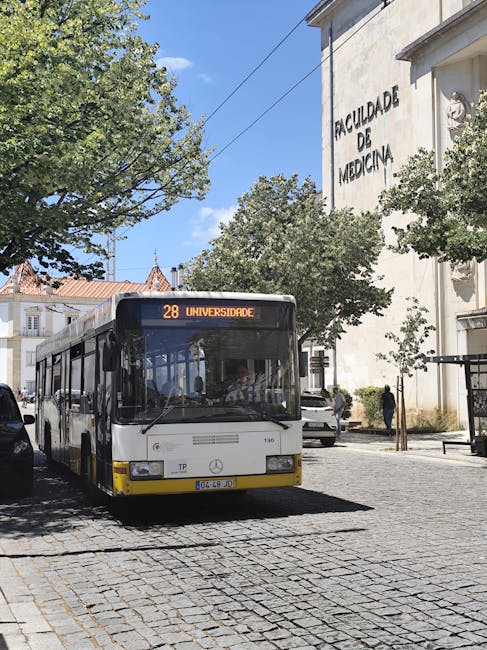
- Public transport (buses) — The SMTUC (Serviço Municipal de Transportes Urbanos de Coimbra) buses serve the Baixa, the University and residential areas. Single ticket: €1.60 in cash on board (confirm with the driver). Hours: generally 06:00–23:00 (vary by line). Advantage: fixed price and regular routes.
- Pre-booked shuttles and transfers — For longer trips (Conimbriga, Porto, Porto airport) book a private transfer or use the trains (Estação Coimbra-B): Coimbra → Porto (Alfa Pendular / Intercidades trains) from about €10–€25 depending on train type and booking time. Timetables are available on CP – Comboios de Portugal.
- Ride-hailing apps — Bolt / Free Now (if available) show an estimated fare before you get in; in-app payment helps avoid cash disputes. Download and set them up before you arrive in Coimbra so you can use them straight from the station.
General best practices to follow:
- Keep a photo copy of the receipt and the taxi license number.
- If you travel frequently between the same points (e.g. station → hotel), write the typical price and route on your phone for quick reference.
- Carry exact change if you pay cash and avoid very large bills; hand over the exact amount and ask for the receipt immediately.
- If you’re in a group, pay through the app together or split the card payment to reduce disputes with the driver.
Conclusion: Summary and final checklist to avoid taxi scams in Coimbra
Protecting yourself from taxi scams in Coimbra takes preparation, vigilance and knowing the official contact points. Let’s sum up the key actions: prefer official ranks (Estação Coimbra-B, Praça 8 de Maio, Praça do Comércio, Largo da Portagem), book via Rádio Táxis or an app when possible, always check that the meter is on, ask for a recibo at the end of the ride and keep evidence (photos of the vehicle, receipt, time and route). If a problem occurs, contact the relevant radio-taxi company and, if needed, the Polícia Municipal or the PSP (emergency number 112). These steps greatly reduce the chance of being scammed and give you clear recourse if necessary.
Final checklist to save or print on your phone:
- Locate the nearest official taxi rank (see addresses above).
- Book via Rádio Táxis or an app when possible.
- Before getting in: check the “táxi” sign, license number and the meter.
- Ask for the recibo at pickup and at payment.
- Monitor the route on your mapping app during the ride.
- Take a photo of the license plate and the receipt if there’s a dispute.
- Contact Câmara Municipal / PSP if necessary (Câmara: +351 239 400 400; emergencies: 112).
By following these 5 steps you turn a potentially stressful experience into a safe, controlled routine. Coimbra is a welcoming city: most drivers are honest and professional. This guide helps you spot and avoid the rare exceptions without killing the charm of your visit. Enjoy your stay in Coimbra, take in the miradouros, Rua Ferreira Borges, the Coimbra fado—and get around with confidence.