





Introduction — Skip the Old Town: Why Locals Favor These Neighborhoods in Coimbra
Coimbra looks like a dream: an ancient university, cobbled lanes, the Joanina Library and the Sé Velha cathedral that fill postcards and guidebooks. Yet for someone who lives here or comes back several times, the “old town” (Alta e Baixa) quickly turns into a tourist showcase — beautiful, yes, but often overcrowded, pricey, and less authentic than it appears. This piece is an anti-guide: it doesn’t belittle the old town’s heritage, but it questions the idea that every visitor should stick to it. It explains why these places are overrated from a local perspective (daily accessibility, value for money, atmospheres useful to residents) and offers concrete alternatives locals prefer for grabbing a coffee, strolling by the river, enjoying a lunch menu, or simply feeling the everyday life of Coimbra.
Why write this? Because mass tourism has flattened the city into a set of photo stops. Queues at the Biblioteca Joanina and tourist restaurants lined up around Praça do Comércio can make Coimbra feel like a frozen stage. Residents, by contrast, look for the real economy (markets, small cafés), accessible nature (green spaces along the Mondego), and neighborhoods with shops open early and late, proper grocery stores, terraces frequented by families and students — not just visitors. This isn’t a battle between heritage and daily life — it’s an invitation to see the city differently: fewer monuments admired from a distance, more places to live in.
In the sections that follow I first outline the popular idea (why many travelers choose the old town), then explain why it’s often overrated compared with the real experience, and finally give a concrete alternative — full name, exact address, prices, opening hours, and local tips — so you can actually live Coimbra like a local. No gratuitous judgments: just practical, useful advice. You’ll find tranquil gardens for reading, markets selling freshly landed fish, small terraces where a coffee costs half what it does in the historic center, and riverside walks that don’t always make the top lists.
1) Why Coimbra’s Old Town Is Overrated — and the Local Alternative: Jardim Botânico da Universidade de Coimbra
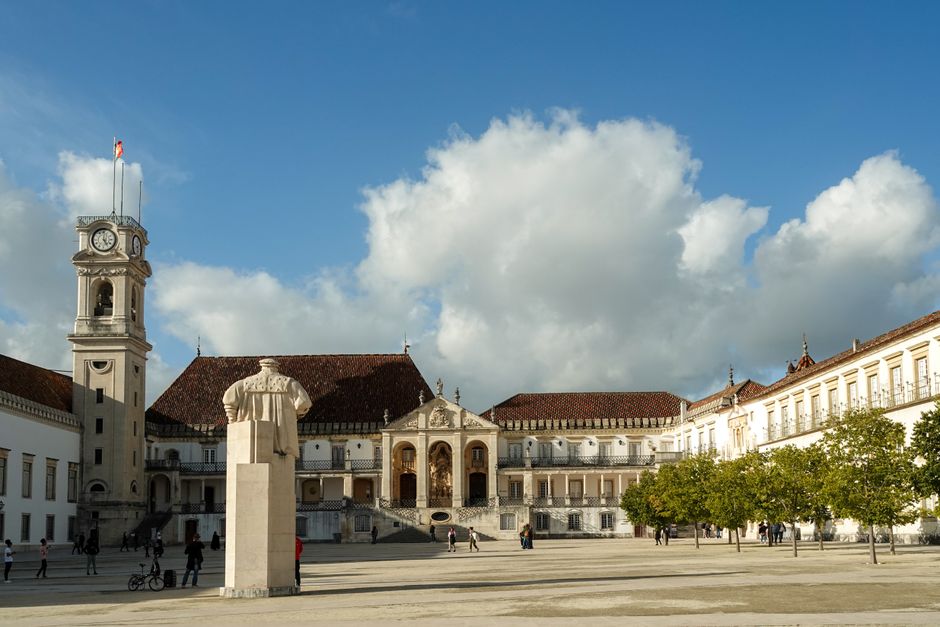
Coimbra’s old town concentrates all the symbols: the Universidade de Coimbra, the Biblioteca Joanina, Praça do Comércio. Visitors spend most of their time there because these sites match a romantic, highly photogenic image of the city. The result: queues at entrances, tourist cafés with inflated prices, and main streets choked at midday and late afternoon. For someone here just a few days, the old town is worth seeing. But to feel Coimbra’s soul without the crowds, that picture falls short.
Why is it overrated for a real stay? First, the experience is often short and artificial: you take photos, admire richly decorated rooms, then leave without experiencing the city’s daily life. Second, many of the places locals actually use (green areas, markets, neighborhood cafés) lie outside that perimeter. Finally, the old town offers little shade and can be stifling in summer with tourists and seasonal shops; it’s not the most relaxing spot to read, stroll quietly, or watch children play.
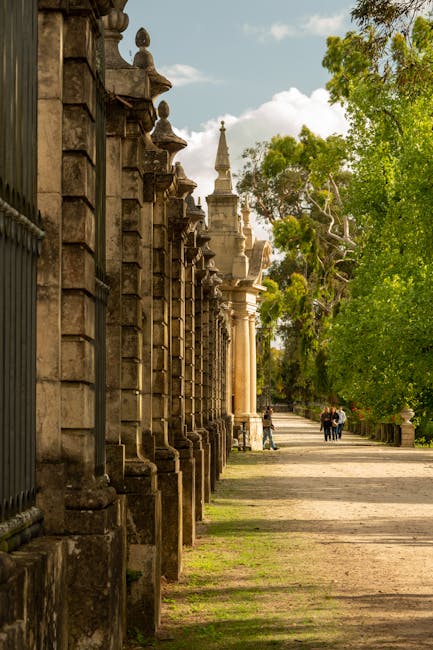
The alternative: Jardim Botânico da Universidade de Coimbra — a calm, scholarly, and visually stunning oasis. It’s the university’s historic garden, created in the 18th century. Exact address: Jardim Botânico da Universidade de Coimbra, Rua Salvador Correia de Sá, 3000-456 Coimbra. Price: usually free entry or voluntary donation (most visitors don’t pay, but check at the reception if special events require a fee, generally under €3). Hours: typically open 09:30–19:00 (April–September) and 09:30–17:00 (October–March) — closed on some public holidays; check the notice at the gate for seasonal closures.
What it offers: wide shaded paths, greenhouses, ponds, a microclimate that’s good for exotic plants, and a bench in the shade to read. Locals come here to picnic, work quietly (a small laptop and mobile data usually do the trick), and take photos without being jostled. Local tip: bring a small blanket, grab a pastel de nata from a nearby bakery (Pão de Ló or the bakeries in Celas), and avoid early weekend mornings if you want absolute silence.
2) The River and Local Life: Skip the Tourist Bank — Concrete Alternative: Parque Verde do Mondego
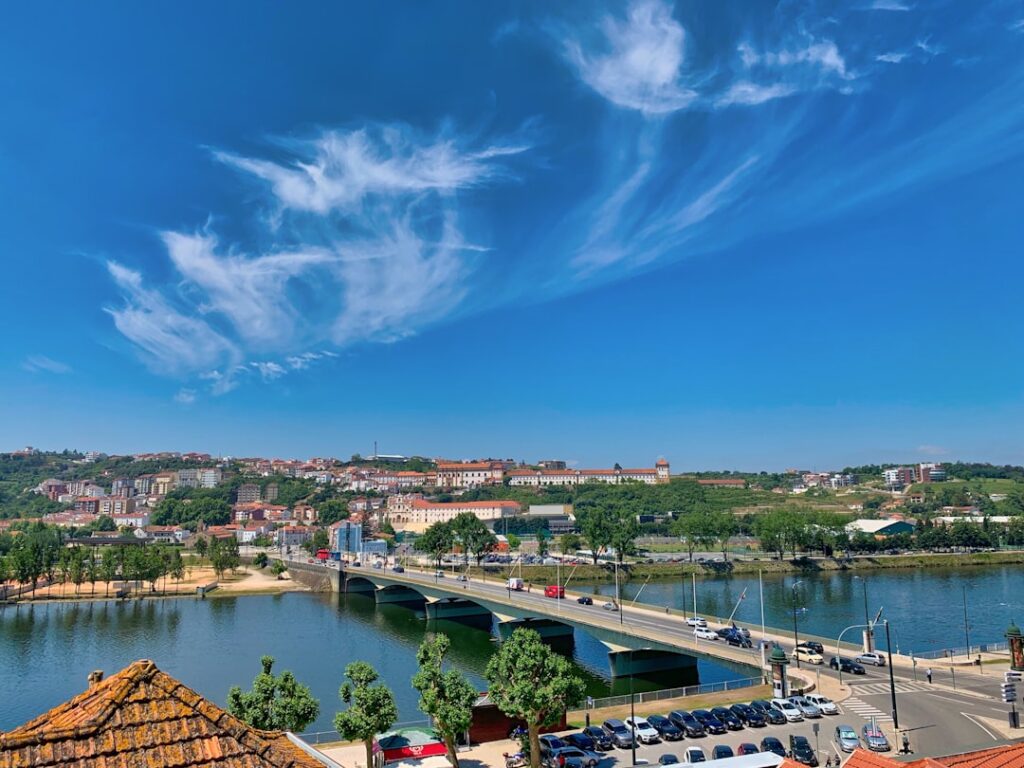
Many visitors are content to glimpse the Mondego from tourist viewpoints and snap photos from the Santa Clara bridge. Fair enough: the view is lovely. But looking at the river from a high point isn’t the same as confronting it — walking the banks, listening to ducks, watching groups of cyclists and families picnicking. The “tourist” riverbank is often a transit area. It looks good in pictures but lacks sensory depth.
Why is the river view from the old town overrated? Because static contemplation doesn’t let you enter Coimbra’s daily life. The quays developed near tourist sites are often crowded and lack true resting areas. The real local joy is a continuous walk, a stop at a small riverside café, terraces where you order a petisco and watch the seasons pass.
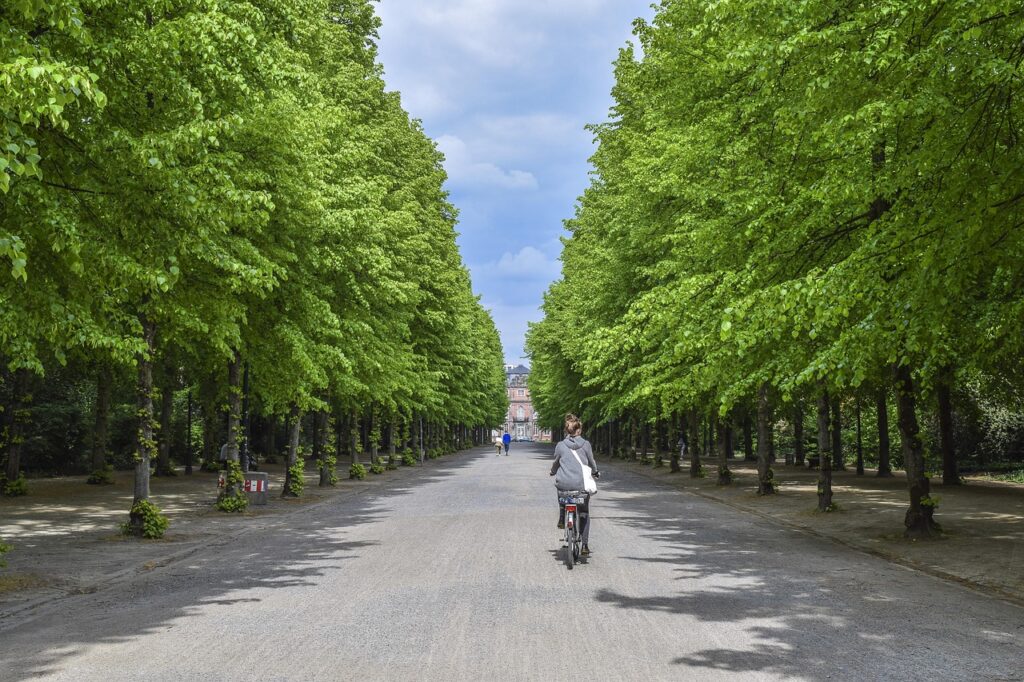
Alternative: Parque Verde do Mondego — the wide green belt that follows the river, heavily used by Coimbrenses. Address: Parque Verde do Mondego, Avenida Emídio Navarro, 3000-300 Coimbra (it stretches along the Mondego’s banks, free access). Price: free. Hours: public space accessible 24/7; to make the most of installations and benches, favor 08:00–20:00 in summer and 09:00–17:00 in winter for light and safety.
What you’ll find there: well-kept cycle paths, sports fields, picnic areas, seasonal cafés and occasional markets. Locals run here in the morning, cycle in the afternoon, and come with family at weekends. Practical tips: rent a bike from one of the rental points near the park (roughly €6–10 for 2 hours), bring water and a hat, and head west in the late afternoon for a sunset over the river. For a tasty stop, look for the riverside kiosks: they often serve small snacks and drinks at reasonable prices (€3–6 for a sandwich or drink).
3) Neighborhood Markets and Cafés: Avoid Tourist Restaurants — Concrete Alternatives: Mercado Municipal D. Pedro V and Celas Cafés
In front of the old town, restaurants line up promising “typical” menus. For a one-off meal, some are decent. But for a morning coffee, fresh fish, or a balanced lunchtime menu, visitors often get oversized prices and varying quality. Locals go to the market or neighborhood cafés: good quality, fair prices, and real interactions.
Why are tourist options overrated? Because they capitalize on proximity to monuments — you’re paying for the location as much as the food. Also, dishes there are sometimes standardized to please the widest audience instead of reflecting seasonal cooking and local produce.
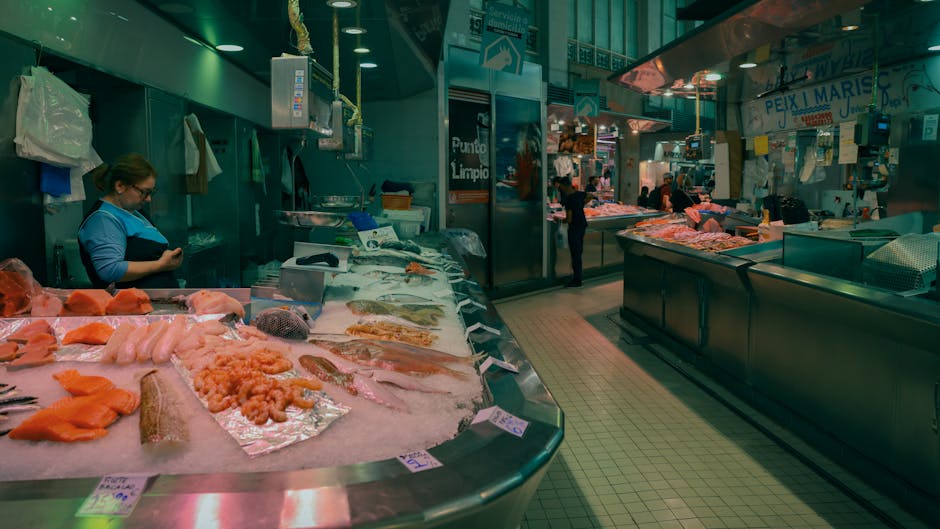
Alternative 1: Mercado Municipal D. Pedro V — the covered market where Coimbrenses buy fruit, vegetables, fish and meat. Address: Mercado Municipal D. Pedro V, Praça D. Pedro V, 3000-301 Coimbra. Hours: generally open Tuesday to Saturday from 07:00 to 15:00; closed Sunday and sometimes Monday (check for public holidays). Price: depends on the product — fresh fish can cost €5–12/kg depending on the type, vegetables are often cheaper than at tourist shops. Tip: arrive before 10:00 for the best selection and talk to the vendors — they’ll often advise on cooking and local recipes.
Alternative 2: cafés in the Celas neighborhood — for an espresso or a breakfast off the tourist trail. A local favorite example is the pastry shop “Pastelaria D. Pedro” (approximate address: Rua da Madre de Deus, Celas area — bakeries and cafés in Celas open early, often from 07:00). Price: espresso €0.70–1.20, café with milk €1.20–2.00, full breakfast €3–6. Hours: generally 07:00–20:00, some stay open later. Tip: order your coffee at the counter (a “café curto”) and a pão com chouriço or a fresh sandwich for unbeatable value.
Finally, for a quality meal away from overpriced menus: head to the Norton de Matos neighborhood or Largo da Portagem for restaurants frequented by locals, often off the tourist radar, where a menu of the day (prato do dia) costs between €8 and €12 and includes starter, main, dessert and coffee. Ask the server about the prato do dia and where the ingredients come from — locals appreciate transparency.
Conclusion — Choose Authenticity Over Media Exposure
Coimbra’s old town is remarkable and worth seeing; I’m not advising you to avoid it entirely. But if you really want to feel the city — hear conversations peppered with local dialect, eat at fair prices, walk along a river that’s part of daily life, read in a garden that has belonged to the university for centuries — then step off the postcards. Residents prioritize spaces that serve life, not just image: the Jardim Botânico offers calm and greenery, Parque Verde do Mondego restores the city’s fluid, living dimension, and Mercado Municipal plus the cafés in Celas make an honest, local food experience possible.
Practice responsible curiosity: ask sellers questions, order a coffee the local way, stroll outside peak hours and take your time. Don’t forget to carry a paper map or a screenshot of the addresses shown (Jardim Botânico da Universidade de Coimbra — Rua Salvador Correia de Sá, Parque Verde do Mondego — Avenida Emídio Navarro, Mercado Municipal D. Pedro V — Praça D. Pedro V). Check seasonal opening times before you go; gardens and markets can tweak their hours depending on the time of year.
In the end, visiting Coimbra like a local isn’t about rejecting its heritage; it’s about complementing the tourist route with places where life actually happens. That will enrich your stay: you might return to the old town, but with a better understanding of what makes Coimbra’s everyday heart beat. Take the time to walk, taste, listen — and you’ll see the city has as much to offer off the beaten path as it does on the postcards.