






Introduction: Why You Should Question the Guided Tour in Coimbra
Coimbra, the former capital of Portugal and a centuries-old university town, is often sold as a compact bundle of history, learning and southern charm. Between the lavish Biblioteca Joanina, the hills where Coimbra fado echoes, and the corridors of the Paço das Escolas, it’s easy to understand why guided tours fill brochures and booking apps. Yet through standardization, tight schedules and one-size-fits-all routes, guided tours can end up making you miss the point: the city’s pace, the small details, everyday life and the corners no guidebook maps.
This piece takes a contrarian stance: I’m not condemning guided tours — they have their uses, especially for historical overviews and access to some monuments — but I want to explain why, in Coimbra, they often pull you away from the city’s true experience. I’ll unpack common assumptions one by one: the idea that everything is in the “must-see” spots, that the best is concentrated around the Paço das Escolas, or that structured groups know better than you where to find the soul of a university town alive since the 12th century.
In practice, joining a group organizes your gaze and sets your pace. In Coimbra this usually means arriving at the same times as everyone else, standing a standardized amount of time in front of the Biblioteca Joanina without enjoying the silence, or rushing through the Jardim da Sereia without understanding its place in local memory. Group tours favor highlights and snapshots, while the city rewards slowness, curiosity and sometimes getting things wrong — that’s how you discover treasures: a forgotten bookshop, a bakery still making pastéis de Santa Clara, a bench with a Mondego River view at sunset.
What you’ll find here is an honest look at what doesn’t always work with standard guided tours in Coimbra, concrete examples of how the experience gets flattened, and practical local alternatives — with names, addresses, prices and hours — so you can rebuild a personal, richer, more independent itinerary. I won’t only point to exotic “alternative” spots; I’ll also suggest simple tweaks: start early, pick a particular café to begin the day, book Biblioteca Joanina outside peak times, or listen to fado in a small house rather than at a tourist show. The tone is deliberately nuanced: I don’t advocate rejecting guides outright, but I do propose a more considered, slower, and more human way to visit Coimbra.
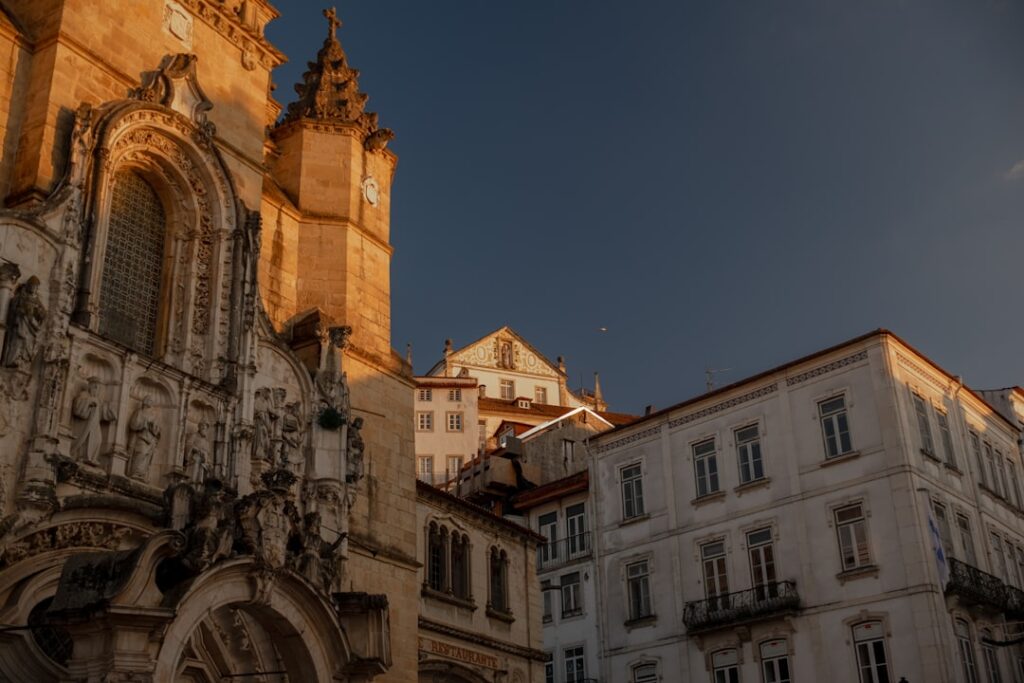
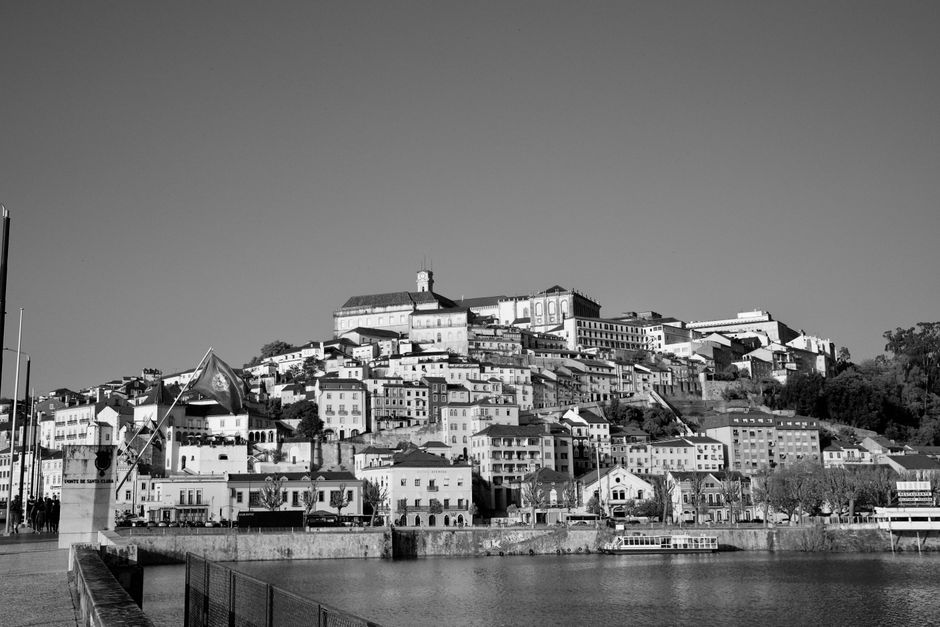
1) Why the Biblioteca Joanina and the Paço das Escolas Are Over-spectacularized
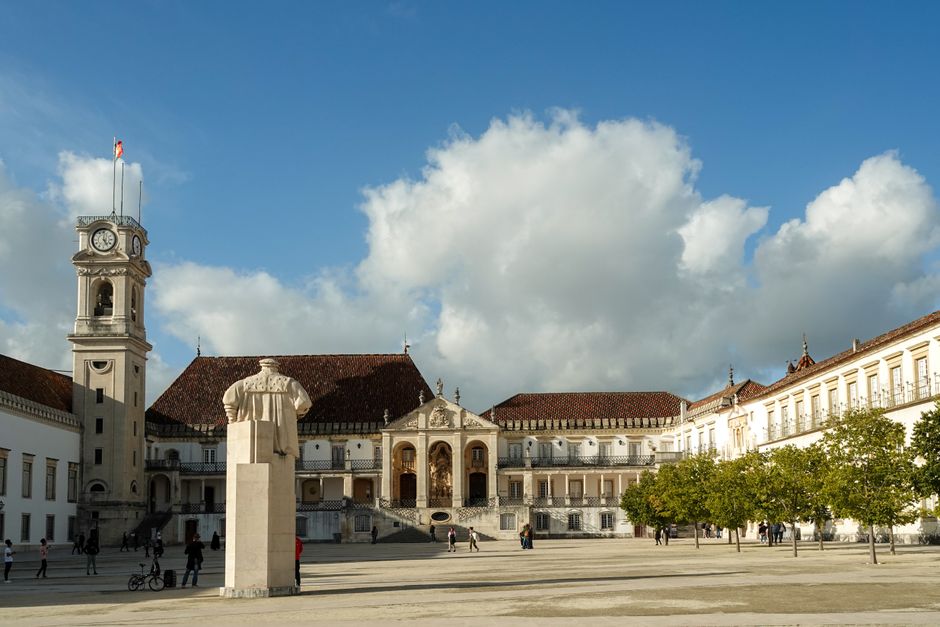
The Biblioteca Joanina and the Paço das Escolas form Coimbra’s iconic image. Lots of photos, queues and a cadence of visits that’s often imposed: 20–30 minutes to admire lacquered shelves and gilded frescoes. Yet this spectacular institution doesn’t sit well with big crowds. The library is fragile (strict humidity and light controls) and the visit experience is paradoxically designed more for conservation than for free wonder.
In reality, shared guided tours often arrive in groups of 20–30 people, sometimes multiple times a day. The result? You’re dropped into the library’s confined space, you hear hurried summaries, you snap a quick photo and move on. You lose the silence, the scent of old wood, the details of bindings and the chance to contemplate an illuminated page patiently. Heavy scheduling also harms the building: Biblioteca Joanina has restricted entry periods (for conservation) that make the experience even more constrained if your group is on a poor schedule.
Another point: the stories told by tour guides tend to simplify or romanticize history (student myths, exaggerated anecdotes). Short, saleable tales mask the complexity of university life in Coimbra — the coexistence of ancient traditions and current practices, tensions between students and townspeople, and the way buildings become living places. If you want to truly understand how a place functions, you need more time, wandering and listening than a packaged tour allows.
A practical alternative for a more authentic experience: book a small-group tour of the Universidade de Coimbra or, better yet, reserve access to the Biblioteca Joanina outside peak hours. Address and details:
- University of Coimbra — Paço das Escolas, Largo da Porta Férrea, 3000-143 Coimbra.
- Combined ticket « University + Biblioteca Joanina »: roughly €12–€15 (indicative). Check the university’s official site for the current price before you go.
- Typical hours: guided visits 10:00–13:00 and 14:00–17:00; in high season sometimes extended to 18:00. The library may have reduced time slots for conservation (often fixed-hour visits).
- Tip: arrive 30 minutes before opening to avoid the incoming crowd and breathe in the cloister before you go in. If you can be flexible, ask the ticket desk about last-minute spots for a local-language tour or a less busy slot.

2) The « Highlights » Tour Trap: You Miss Everyday Life and Coimbra Fado
« Highlights » tours love ticking boxes: library, cathedral, cloister, museum. They’re useful for a first pass, but they neglect temporality and atmosphere: Coimbra isn’t just a museum; it’s a town where student life plays out, where morning markets, neighborhood bakeries and fado traditions are alive and evolving. Coimbra fado, in particular, is a living, contextual art form: when scheduled poorly, a tourist show loses its substance and becomes a choreographed performance for tired visitors.
Tours centered on fado often take you to venues set up for tourists where the ticket price sometimes includes dinner and where the singers play an abbreviated repertoire. The result: you hear the music, but you don’t feel the fragile relationship between the fadista and the university community, nor the meaning behind lyrics tied to student rituals. To taste real Coimbra fado, seek a place where students, alumni and music lovers gather — where poetry matters more than stage effects.
Concrete, recommended alternatives for authentic fado listening:
- Fado de Coimbra — Casa das Caldeiras (intimate concerts), Praça do Comércio, 3000-140 Coimbra. Some evenings host intimate sessions; entry often between €8 and €15 depending on the concert.
- Fado na Casa — Associação Académica events: the Associação Académica de Coimbra sometimes runs fado houses and student sessions (address: Praça 8 de Maio 3000-301 Coimbra for the main building). Prices vary, often free or donation-based; check the local calendar.
- Hours: concerts are usually in the evening, between 20:00 and 23:00; student sessions are irregular (ask on local social channels or at the tourist office).
- Tip: avoid dinner-and-show fado packages. Choose a small venue, arrive early, buy a drink and let the music come to you. Talk to people afterwards — that’s often where the fado’s story makes sense.
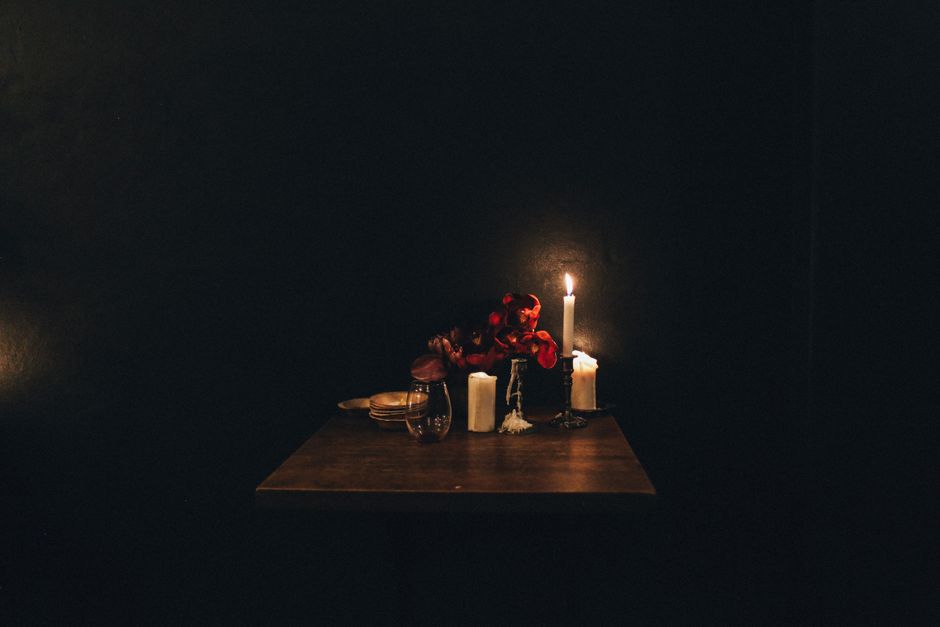
3) Secondary Museums and Monuments: Why Groups Keep You from the Real Collection
Coimbra’s museums are numerous and fascinating, but a chained group visit often cuts short your observation time. The Museu Nacional de Machado de Castro, for example, holds sculptures and urban witnesses that are essential. In a group tour the pattern repeats: the guide points out a key item and the group moves on. You may miss an unexpected display case, a damp plaque, or a sculptural detail that speaks to you personally.
Museums sometimes demand slow reading: let works « work » on you, go back to a painting, compare a statue with the surrounding architecture. Standard circuits impose a flow that can flatten the experience and turn a museum into mere décor. Also, some venues host very local temporary shows curated by regional curators or artists that tell the city’s story differently — those mini-residencies need time to be appreciated.
Two concrete, local alternatives to dig deeper into Coimbra’s museums:
- Museu Nacional de Machado de Castro — Sé Velha, Rua Anaias de Silva, 3000-144 Coimbra. Price: about €6 (reduced rates for students and seniors). Hours: typically 09:30–17:30 (closed Monday); check the official site for seasonal updates. Tip: buy your ticket at the desk and ask for the temporary exhibition leaflet: set aside 60–90 minutes with your phone off so the pieces can settle in.
- Museu da Ciência da Universidade de Coimbra — Rua Larga, Paço das Escolas, 3000-456 Coimbra. Price: around €4–€6; Hours: 10:00–17:00 (closed on some holidays). Tip: this museum mixes old scientific instruments and student narratives — a perfect place to grasp the city’s temporal depth away from the crowds.
One last tip: go alone or in pairs to these museums in the mid-afternoon (after 15:00). Groups tend to arrive in the morning. You’ll enjoy quieter rooms, better light in certain galleries, and more genuine interactions with cultural mediators who often have time to answer questions without the pressure of a crowd.
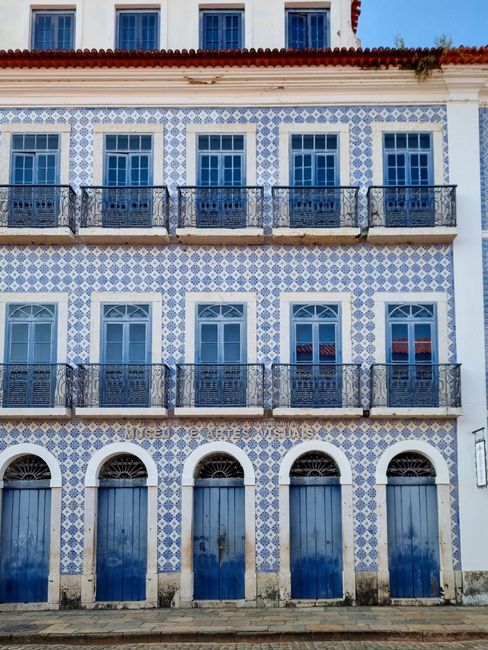
4) Get Lost on Purpose: Neighborhoods, Cafés and Gardens That Reveal Coimbra
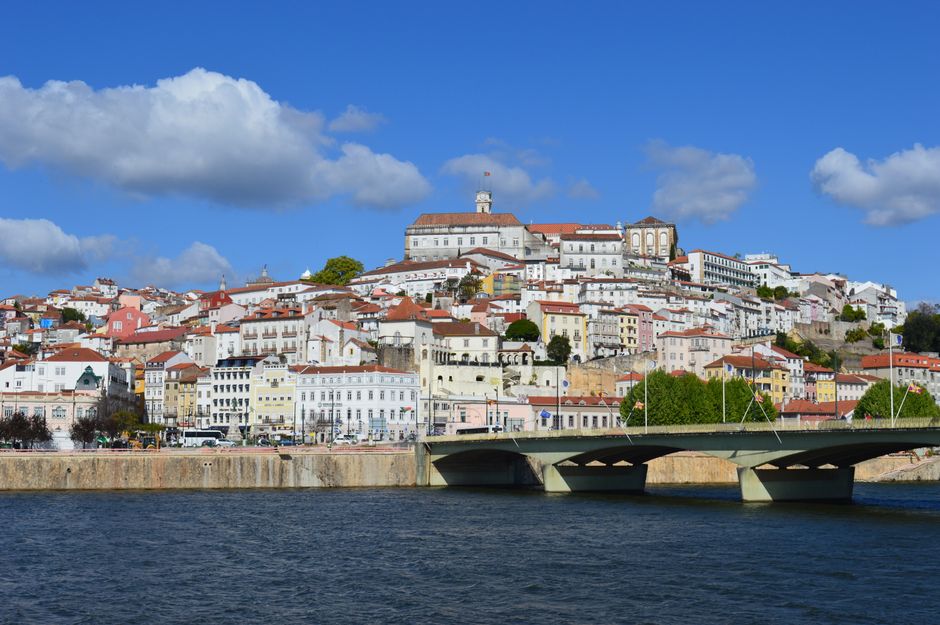
Coimbra reveals itself through wandering: shoes on centuries-polished cobbles, the mingled smells of coffee and pastries, terraces overlooking the Mondego that become small clearings for contemplation. Guided tours, by contrast, stick to marked routes and often loop back to the same spots, preventing fruitful aimless roaming. Getting lost on purpose is a smart strategy to catch the town’s real life.
Here are concrete addresses and spots for slow, rewarding exploration:
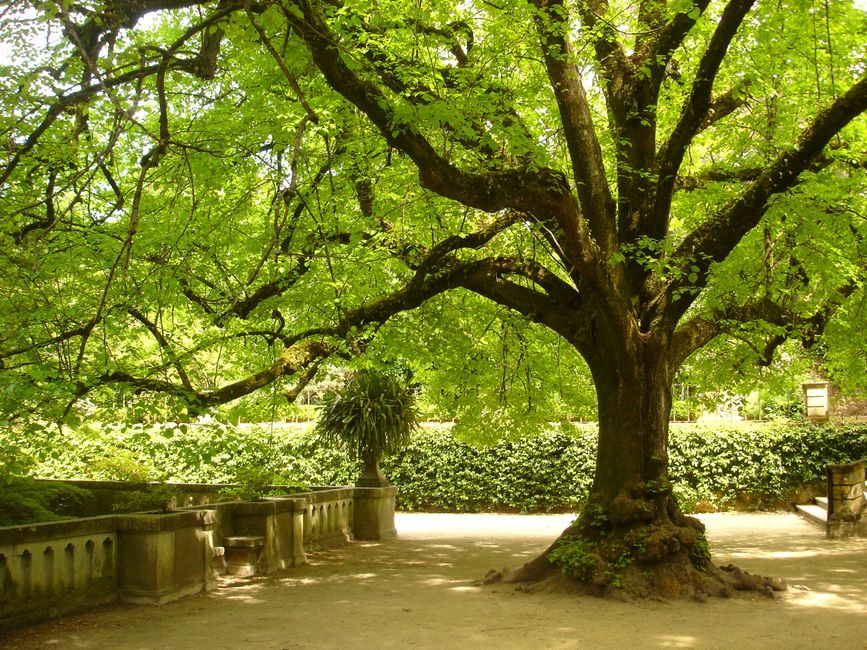
- Jardim Botânico da Universidade de Coimbra, Rua Sílvio Lima, 3000-457 Coimbra. Price: about €2–€4; Hours: 09:00–19:00 (hours vary by season). This university garden is an 18th-century pocket of calm — perfect to read, watch students doing botany work, or simply enjoy filtered light.
- Café Santa Cruz, Praça 8 de Maio, 3000-301 Coimbra. Price: an espresso around €1.30–€1.80; pastries €1.50–€3.50; Hours: 08:00–22:00. Housed in a former chapel, this café is where the city’s tradition meets everyday life. Sit with a coffee on the terrace and watch the square: local activity is constant.
- Rua da Sofia and its workshops: walk this street to see craft shops and furniture workshops. No single address — stroll between the Sé Velha and the river. Many workshops open to curious visitors in the late morning. Tip: step inside, chat, and buy a small handmade souvenir instead of the standard magnet.
Getting lost also means picking your moments: the best light is early morning and late afternoon. The city empties between 14:00 and 17:00 — ideal for visiting a museum, shooting photos without crowds, or wandering the Universidade unhurried. If you don’t want to leave everything to chance, pair these spots with two simple practices: pick a local café in the morning (Café Santa Cruz), wander to the Jardim Botânico mid-day, and finish with sunset at the Penedo da Saudade viewpoint (a stroll that mixes student poetry and river views).
5) Smart Planning: How to Mix Guided Elements Without Losing Authenticity
This isn’t a blanket rejection of guides: there are ways to use a guided tour as a targeted resource alongside independent exploration. The idea is to extract the best of guided help (historical knowledge, priority access, stories) while keeping the freedom to set your own pace and choose locations. Here’s how to do that in practice.
Practical strategies:
- Pick private or very small-group tours: they cost more but give you time to ask questions and go off the beaten track. Example: booking a private Universidade de Coimbra tour through the university’s official service (prices vary; a private tour can cost €60–€120 depending on length and group size). Tip: check whether the guide has university qualifications or local affiliation — that changes the depth of the content provided.
- Combine a guided slot with several hours on your own: for example, book the Biblioteca Joanina tour in the morning (short slot), then spend the afternoon wandering: Jardim Botânico, Rua da Sofia, Café Santa Cruz. This balances historical context with on-the-ground experience.
- Use audio guides as a supplement: they let you control the tempo. The official Universidade de Coimbra audio guide or a local app gives contextual info without group pressure.
Concrete services to book:
- Private tour Universidade & Biblioteca Joanina — meeting point: Largo da Porta Férrea, Paço das Escolas, 3000-143 Coimbra. Indicative price: €60–€120 depending on duration and group size. Hours: by reservation, available most days; better early morning to avoid crowds.
- Official audio guide — University of Coimbra: mobile app free or audio track purchase from €3–€5; works 24/7 to match your itinerary.
Finally, if you travel with family or less mobile visitors, guides remain an excellent option. Just adapt the format: a guide for a half-day focused on key points, then leave the rest of the time to intentional randomness. The goal is to use structure without becoming captive to it.
Final Local Tips Before the Conclusion
- Favor walking: Coimbra is a hilly town where wandering on foot reveals unexpected viewpoints.
- Learn a few Portuguese words (obrigado, bom dia, por favor): a little effort warms interactions and can open doors not shown on Google Maps.
- Always double-check official times online before you go: university institutions and museums can have seasonal hours.
Conclusion: Between Guiding and Wandering, Choose Your Intention
In Coimbra, a guided tour is neither a sin nor a cure-all. It’s a tool — useful for initial orientation or to get an expert perspective, but potentially misleading if it becomes your only way of experiencing the city. Coimbra’s real treasures — the melancholy of a fado sung in a corner, the softness of a bench at sunset, the discovery of a workshop — require time, slowness and a dose of purposeful wandering. A mass, schedule-driven tour risks standardizing these moments and making you « miss the point »: the life.
Rather than abandoning guides completely, here’s a golden rule: combine. Book a specific timed slot (Biblioteca Joanina or a private tour), but devote at least half your time to exploring alone, listening, backtracking, talking to people and following your curiosity. Use the concrete alternatives mentioned in this article: Jardim Botânico da Universidade de Coimbra (Rua Sílvio Lima), Museu Nacional de Machado de Castro (Rua Anaias de Silva), a historic café like Café Santa Cruz (Praça 8 de Maio), and hunt for a fado session in a small room rather than an industrial dinner-show. These choices will give you a fuller, deeper and more human experience of Coimbra.
Keep an open mind: every traveler carries their own emotional map. Let your route be shaped by encounters, mistakes and slowness. That’s how Coimbra will deliver what guides can’t always promise: an intimate relationship with history, landscape and people. Safe travels — and happy intentional wandering.