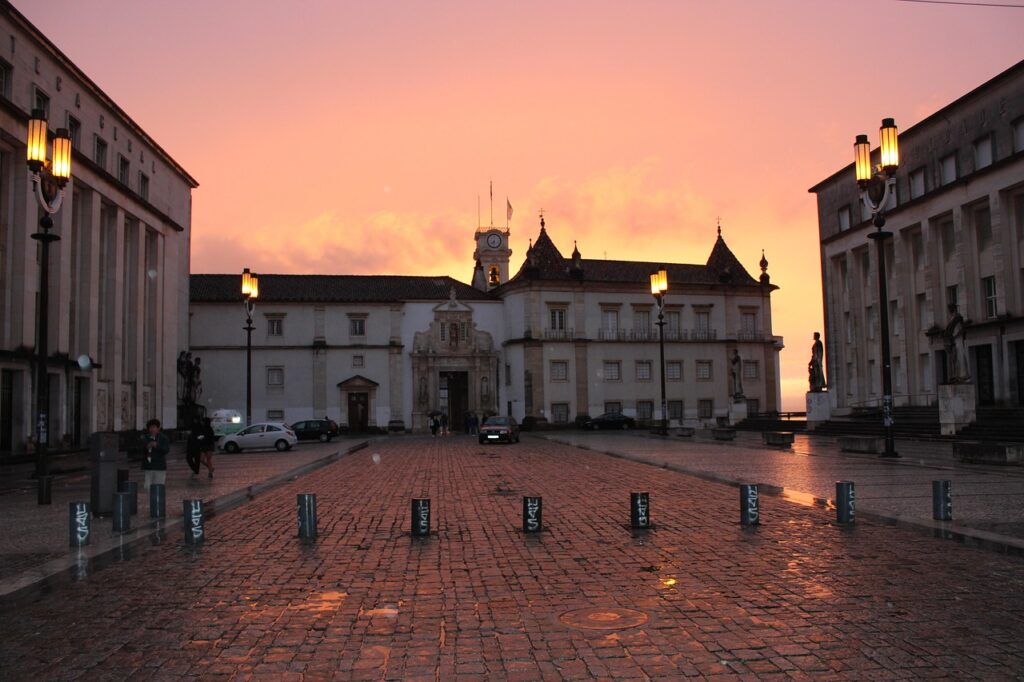






Introduction: History and Freedom — the Timeless Call of the University of Coimbra
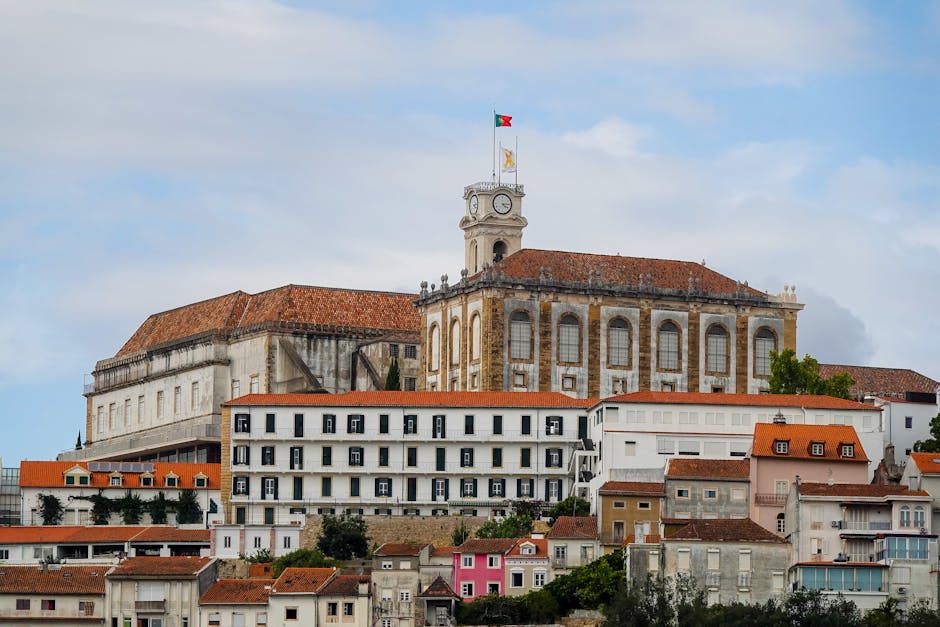
Perched on the Alta, the hill that overlooks the heart of Coimbra, the Universidade de Coimbra has for eight centuries embodied a living bond between knowledge, history and personal freedom. Officially founded in 1290 (though its roots and successive relocations took it back and forth between Lisbon and Coimbra), this academic institution has shaped not only Portuguese intellectual life but also the city’s urban, social and cultural fabric. Wandering among its walls, lecture halls and gardens is like reading a chapter of European history: from baroque façades to paneled libraries, every stone testifies to a sovereignty of the mind and a quest for individual emancipation.
This guide speaks to solo travelers who want to lose themselves in study and contemplation, as well as to groups—friends, families or small student parties—looking to share an intense cultural experience. It combines practical information (exact addresses, opening hours, ticket prices) with immersive descriptions so you can plan your visit, understand the places and get the most out of them, freely and at your own pace.
Visiting the University of Coimbra is not just ticking off sights: it’s accepting a pace. Slow down in the Biblioteca Joanina, make a meditative ascent up the Torre da Universidade, enjoy relaxed conversation in the Jardim Botânico da Universidade de Coimbra, or explore curiosities at the Museu da Ciência da Universidade de Coimbra—each stop invites reflection and exchange. You’ll learn how student groups, academic traditions (capas and traje académico) and formal congregations shaped local culture. Depending on the season, you might even hear archival song—academic fado or the Queima das Fitas—vibrating through the stones.
Alone, the visit can become an intellectual retreat: take the time to open an old book (within library rules), photograph light filtering through stained glass, or simply sit on a bench in the botanical garden and let your thoughts roam. With company, the same visit turns into a conversation-rich experience: historical anecdotes, reading old plaques aloud, debates on Manueline or baroque architecture, and shared tastings of local specialties in the steep streets of the old town.
This guide will lead you through the essentials: Paço das Escolas (the historic seat), Biblioteca Joanina, Torre da Universidade, Museu da Ciência da Universidade de Coimbra, and the Jardim Botânico da Universidade de Coimbra, while adding practical tips (current hours, prices, best times to avoid crowds), route suggestions and local recommendations—cafés, restaurants and photo spots. Get ready to listen to the city and give yourself a little inner freedom: the University of Coimbra invites as much observation as active thought.
Paço das Escolas and the Biblioteca Joanina: Baroque Splendor and Studious Silence
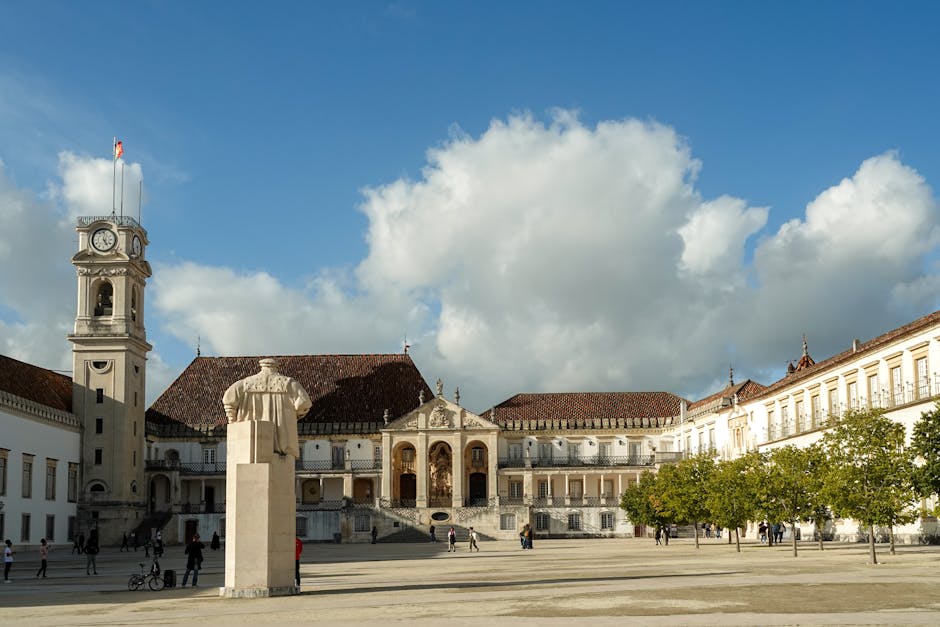
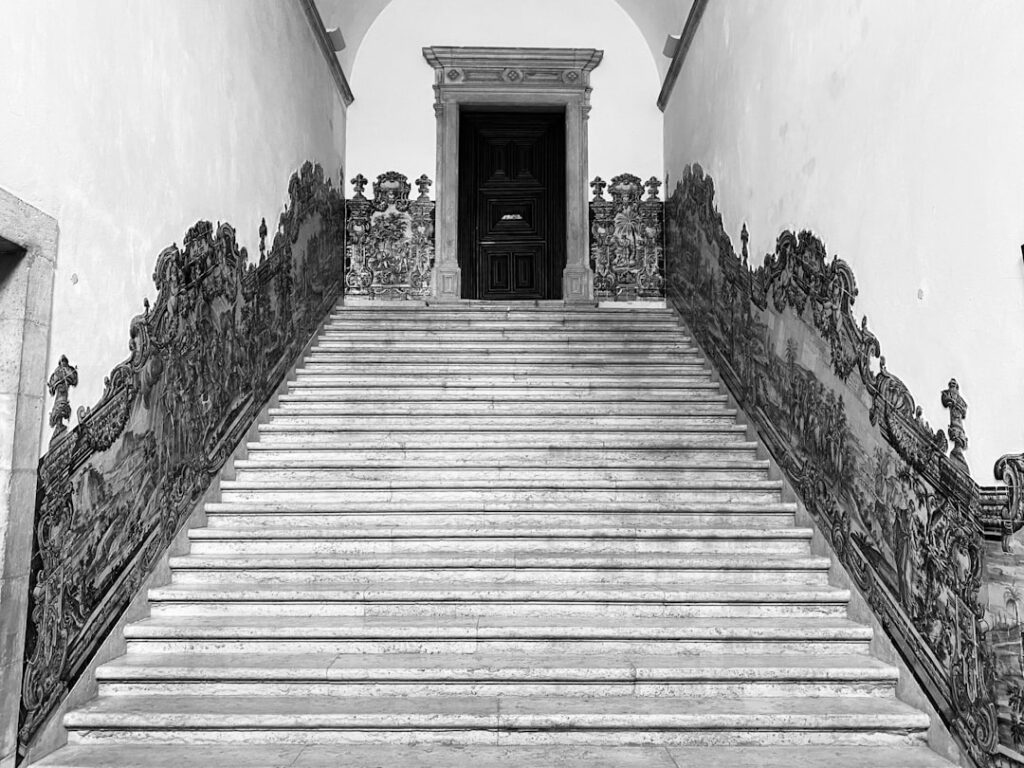
Paço das Escolas is the historic heart of the University of Coimbra. Address: Paço das Escolas, Alta Universitária, 3000-062 Coimbra, Portugal. It’s an architectural ensemble where Gothic, Renaissance and Baroque layers overlap, crowned by the famous Biblioteca Joanina. Built in the early 18th century under João V, the Biblioteca Joanina is a Baroque masterpiece—sumptuous woodwork, gilding, painted ceilings and over 200,000 catalogued volumes (including several incunabula and rare editions).
Hours and prices (indicative, check before visiting): Paço das Escolas & Biblioteca Joanina — combined ticket « Universidade de Coimbra: Paço das Escolas, Biblioteca Joanina e Torre » usually available at €12.00 for adults; reduced price €6.00 (students and seniors). Typical opening times: 09:00–18:00 (April–September 09:00–19:00). Biblioteca Joanina often runs guided visit slots—10:00–12:30 and 14:00–17:00—and may close earlier on certain days for conservation reasons. It’s essential to consult the official site before your visit.
Immersive description: stepping across the threshold of Paço das Escolas you immediately sense a weight of history—polished tiles, monumental staircases, portraits of past rectors and the quiet buzz of students. Biblioteca Joanina enforces strict rules: no large bags, absolute silence, and photography banned in some sections. The atmosphere feels warm, almost golden; light through the windows creates halos on the spines. You can feel the dust of time, but also meticulous preservation. Temperature and humidity are carefully controlled to protect the books and furnishings—another sign of the curators’ seriousness.
Local tips: arrive at opening to avoid tourist groups; book online if possible; wear comfortable shoes for climbing the Paço’s stairs. If you’re alone, carve out a reading moment in the permitted rooms: bring a notebook and jot down details and impressions. In a group, favor a guided tour in Portuguese or English to enrich the visit with student legends and library lore (most guides know the anecdotes linked to the collection).
Torre da Universidade and the View: A Symbolic Climb Toward Freedom
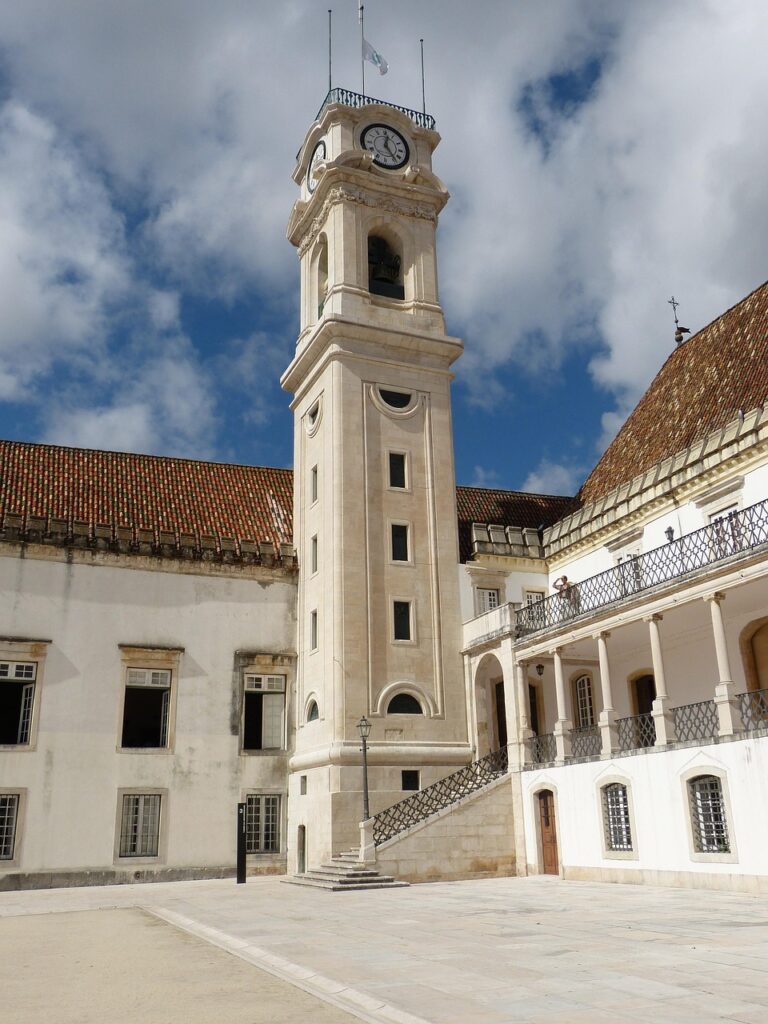
The Torre da Universidade (University Tower) is one of Coimbra’s most emblematic symbols. Address: Torre da Universidade, Paço das Escolas, Alta Universitária, 3000-062 Coimbra, Portugal (access via Paço das Escolas). Climbing the tower is almost a ritual: the ascent offers a historical and geographical perspective on the city and the Mondego River, reminding visitors of Coimbra’s role as a beacon of learning.
Hours and prices: often included in the combined Paço das Escolas/Biblioteca Joanina/Torre ticket—combined adult fare around €12.00; reduced around €6.00. Typical opening times: 09:00–18:00 (varies by season). The number of visitors allowed up at once is limited to preserve the structure and guarantee safety, so arriving early is wise.
Description: the climb follows narrow, sometimes uneven staircases that evoke medieval architecture. At each landing you’ll spot carved details, old bells or dials. From the top, the panorama unfolds: tiled roofs, sloping alleys, Praça da República in the distance, and the Mondego River winding slowly. The view feels both lofty and grounded—Coimbra becomes more legible from this height; you can read its historical layers and the relation between the University and the city.
Practical tips: if you’re prone to vertigo, pause halfway up; photographers will find morning light often the most flattering (tripods may sometimes be prohibited). If you’re in a group, leave someone at the bottom to help regroup—staircases can scatter people. Solo visitors can enjoy the summit’s silence to contemplate, take notes and sketch out which spots to explore next.
Museu da Ciência and Jardim Botânico: Scientific Curiosities and Botanical Breaths
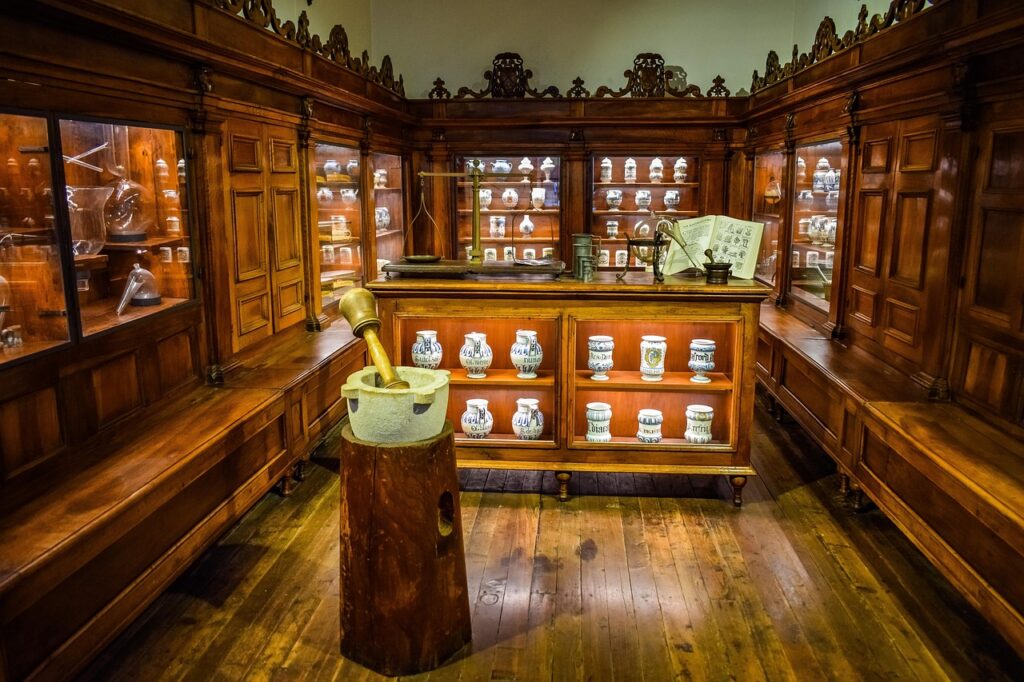
Just a short walk from the historic core are two complementary spaces: the Museu da Ciência da Universidade de Coimbra and the Jardim Botânico da Universidade de Coimbra, offering both scientific discoveries and natural respite. Museu da Ciência Address: Museu da Ciência da Universidade de Coimbra, Rua Larga, 3004-534 Coimbra, Portugal (housed in the old university pharmacy and at the center of the university district). Jardim Botânico Address: Jardim Botânico da Universidade de Coimbra, Rua Bento da Rocha Cabral, 3000-456 Coimbra, Portugal.
Hours and prices: Museu da Ciência—adult €6.00; reduced €3.00; indicative hours 10:00–17:00 (closed on certain holidays). Jardim Botânico—entry typically around €4.00 for adults; indicative hours 09:00–19:00 depending on season. Many visitors combine both for a relaxed half-day of culture and nature.
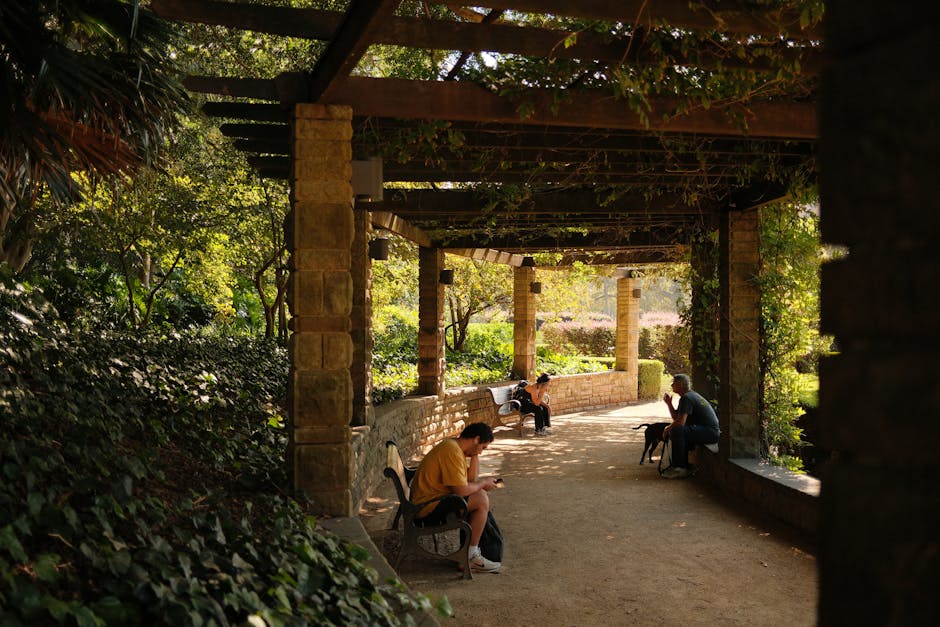
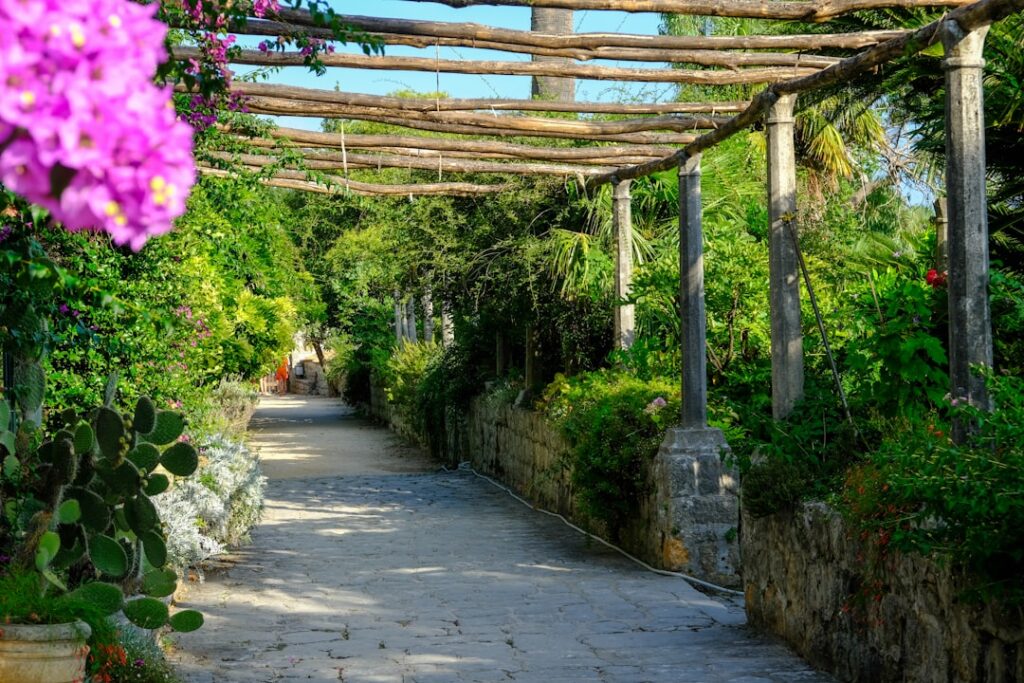
Immersive description: at the Museu da Ciência the old pharmacy blends with ancient astronomical instruments, globes, cabinets of curiosity and hands-on exhibits tracing the history of science in Portugal. Display cases preserve observational devices, historic microscopes and prepared botanical collections—testimony to Coimbra scholars’ passion. The botanical garden, founded in 1772, is an island of cool: shaded paths, greenhouses, exotic species, ponds and a historic orchard. Information plaques in Portuguese and English explain plantings and their origins.
Local tips: plan the museum for the morning to avoid crowds and make lunch a garden café break or a spot in the alleys below the Alta. Locals suggest buying a combined Museu + Jardim ticket in summer. Plant lovers shouldn’t miss the cactus greenhouse and the medicinal plant collection—excellent for understanding the links between old medicine and university teaching.
Getting Around, Eating and Practical Tips — Live Coimbra Like a Free Student
Coimbra is easy to explore on foot, especially the old center around the Universidade de Coimbra. Start your movements from central points: Praça do Comércio (3000-300 Coimbra) and Rua da Sofia. City buses (SMTUC — Sociedade de Transportes Públicos de Coimbra) serve the lower neighborhoods and the modern campus in Celas. A short taxi ride within the city center usually costs between €3.50 and €7.00 depending on distance.
Where to eat: for a local experience after visiting the university, try these spots—Loggia (Museu Nacional Machado de Castro, Largo Dr. José Rodrigues, 3000-375 Coimbra) for contemporary cuisine and a terrace with a view; Tasquinha do Quinzena (Rua da Sofia 118, 3000-306 Coimbra) for traditional Portuguese dishes; A Taberna (Rua das Tinas 5, 3000-401 Coimbra) for local tapas. Indicative prices: mid-range restaurant meal €12.00–25.00 per person; coffee and pastries €1.50–4.00.
Practical and local tips: bring adaptable clothing—nights can be cool even in summer on the Alta. Comfortable shoes are essential: cobbles and stairs demand stability. If you visit off-season (November–February), enjoy a quieter pace and often lower hotel rates. For souvenirs, favor the old bookshops around Rua da Sofia to find Portuguese editions and old university volumes.
Respecting the sites: when visiting Biblioteca Joanina and historic rooms, observe silence rules and flash bans to protect the books. Ask permission for any filming or professional use. Finally, strike up conversations with students: many will happily share anecdotes and traditions (like the Queima das Fitas, the end-of-studies festival), which will greatly enrich your sense of academic freedom.

Conclusion: Between Memory and Emancipation — Take Coimbra Home with You
Visiting the Universidade de Coimbra is a twofold experience: confronting the thickness of history while opening up to a freedom rooted in curiosity and sharing. The landmarks—Paço das Escolas, Biblioteca Joanina, Torre da Universidade—offer powerful images, but the real richness lies in the silences between stones, in impromptu readings, conversations with students and the serenity of an afternoon in the Jardim Botânico.
Whether alone or with company, adapt your pace. Solo, favor introspection: notes, reading, photography without the constraints of a schedule. With others, turn the visit into a group game—quizzes about the sites’ history, swapping anecdotes or stopping for treats in the recommended taverns and cafés. The prices and hours in this guide are practical references; keep in mind they can change with the season, university events or conservation directives. Check official pages (Universidade de Coimbra, Museu da Ciência, Jardim Botânico) to confirm before you go.
Finally, allow Coimbra to keep working on you after you leave: the city has a way of seeping into a traveler’s memory. Student songs, the view from the tower, the leather of old books and the smell of garden plants become travel companions. Bring back images, notes and, if you can, a small literary keepsake. That way, history and freedom will live on in your memory—a faithful echo of a visit experienced both with the eyes and the mind.