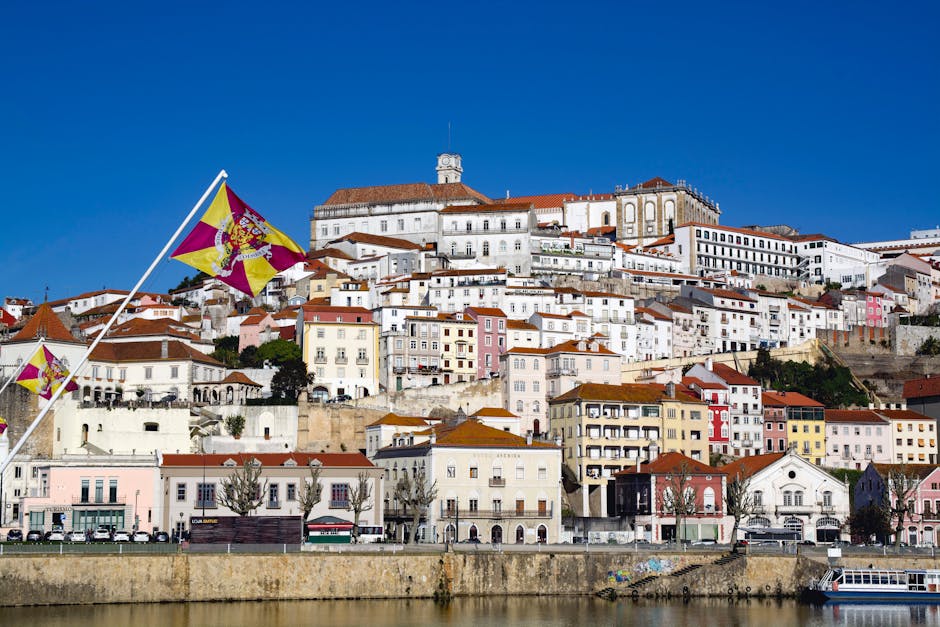






Introduction: Getting Lost or Letting Yourself Be Led Through Coimbra’s Neighborhoods
Coimbra, a former capital of Portugal and home to one of Europe’s oldest universities, invites two very different ways to explore: a guided tour—organized and full of stories—or a personal stroll—slow and sensory. The city unfolds across a series of hills, offering Mondego River views, cobbled lanes still echoing students’ footsteps, and tiled façades faded by time. Choosing between a guide and wandering freely really comes down to what matters most to you: historical context, priority access, or the freedom to improvise? This practical, general guide is here to help you weigh the pros and cons by outlining the main spots, their addresses, opening hours, prices and local tips, so your visit to Coimbra is both rich and suited to your style.
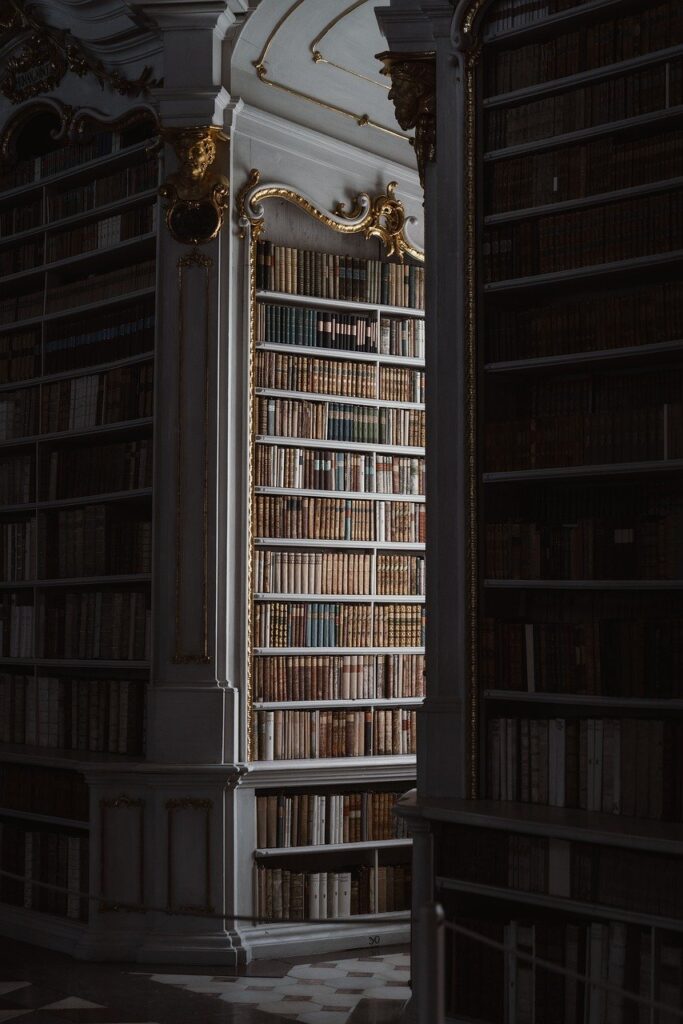
Guided-tour itineraries often highlight must-sees: the University of Coimbra (Paço das Escolas), the Biblioteca Joanina, the University Tower (Torre da Universidade), the Old Cathedral (Sé Velha) and the Monastery of Santa Cruz. These organized visits—run by agencies and licensed local guides—typically last between 2 and 4 hours and cost from €15 to €45 depending on the format (group walking tours, private tours, or combos including fado concerts). They bring useful comforts: priority access to certain sites, structured historical explanations, and the chance to ask questions on the spot.
Wandering on your own, on the other hand, turns Coimbra into a personal playground. It favors unexpected discoveries: cafés serving morning pastel de nata, small bookshops tied to university life, squares hosting local markets, and streets where fado is sung unplugged. Exploring solo lets you set the pace, linger longer in a spot, and venture into less-touristy areas like Bairro do Seminário or the slopes of Santa Clara. But without a guiding thread you might miss essential context and anecdotes: how the university rites work, the significance of the traje académico, or the history behind the Biblioteca Joanina.
This article covers several neighborhoods on foot, compares guided tours and independent wandering, and provides practical info (full addresses, opening hours, prices in euros, immersive descriptions and local tips). The sections below explain the logic of a guided tour, the perks of strolling independently, recommended walking routes with addresses and hours, and a summary to help you pick the best option. You’ll also find suggestions for stops to taste local food, hear fado and take memorable photos. If you like planning, there are time options; if you prefer to improvise, you’ll get landmarks so you don’t miss the essentials. Lace up your walking shoes: Coimbra is best explored on foot, whether you follow a guide or your own curiosity.
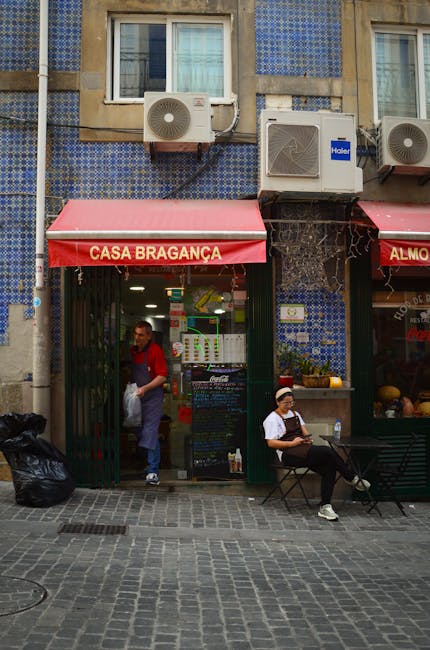
1) Guided Tours: Efficiency, Context and Priority Access
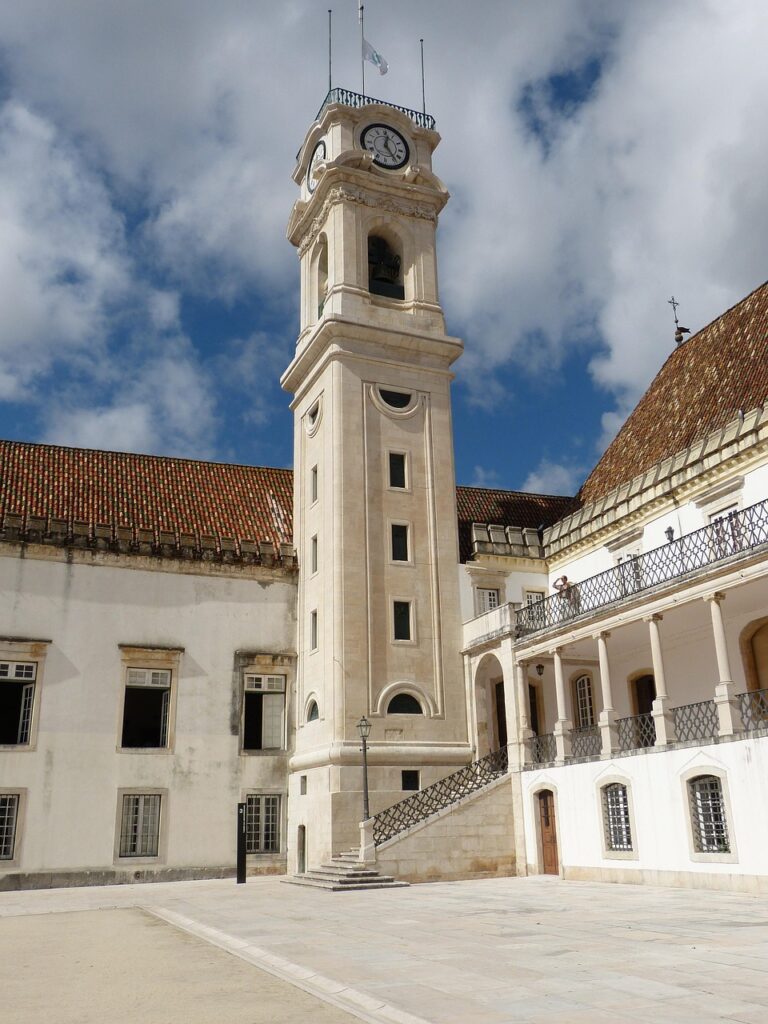
Guided tours in Coimbra are offered by local agencies, licensed independent guides and sometimes the tourist office (« Posto de Turismo de Coimbra », Praça 8 de Maio, 3000-202 Coimbra). A typical guided visit lasts between 2 and 3 hours and usually covers the University of Coimbra (Paço das Escolas), the Biblioteca Joanina and the University Tower. Main university address: Paço das Escolas, Universidade de Coimbra, 3000-447 Coimbra. Typical hours: the Biblioteca Joanina generally opens from 09:00 to 17:30 (seasonal variations), and the Torre da Universidade from 09:00 to 20:00 during summer. Combined entry for Biblioteca Joanina + Torre costs roughly €12 per adult (indicative price; discounts for students and seniors often around €6–8). Guided tours that include access to these sites generally charge €20–35 per person for standard group tours, and €80–150 for private tours of 1 to 3 hours.
Concrete advantages of a guide: time savings (shorter lines or priority access in some cases), historical explanations tied to university traditions (the « Praxe » ritual, the academic dress « traje académico »), anecdotes about famous alumni and Coimbra’s fado tradition. Guides also offer practical pointers: where to find toilets, best viewpoints over the Mondego River (miradouro da Universidade, next to Rua da Sofia) and recommendations for booking a fado show. For example, a « Coimbra Essentials » tour by a local agency might include a fado performance and a stop at the Monastery of Santa Cruz (Largo de Santa Cruz, 3000-305 Coimbra)—entry to the monastery church is often free, though guided visits to the cloister may ask for a voluntary contribution or a small fee (about €2–5).
Practical tips if you choose a guided tour: check that the guide holds an official authorization (badge or reference on the Câmara Municipal de Coimbra website), ask whether the fee includes tickets for the Biblioteca Joanina and the Tower, and find out the group size (recommended maximum: 20 people for a comfortable walking tour). If you’re short on time, opt for a morning start (between 09:00 and 10:00) to avoid heat and crowds; in summer, late-afternoon tours (17:00–19:00) provide great light for photography. Bring a bottle of water: even with short distances, the uphill streets can be demanding.
2) Walking on Your Own: Freedom, Slowness and Unexpected Finds
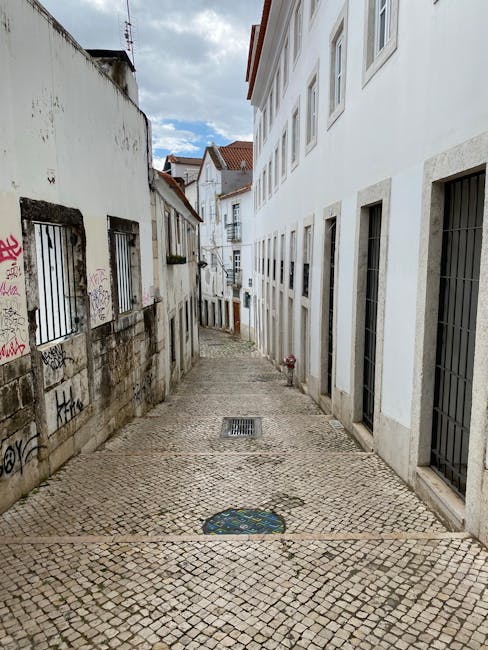
Strolling lets you enjoy Coimbra at your own pace: the nooks of the Alta neighborhood, flower-lined stairways, historic cafés and small artisan shops. Wandering without a fixed route gives you a chance to feel the city—hear fado drifting from a courtyard, stumble upon a local market, or pop into a secondhand bookstore focused on university life. Areas recommended for a free walk include the Baixa (shopping center around Praça 8 de Maio), Rua Ferreira Borges, Praça do Comércio and the slopes leading down to Santa Clara (over the Santa Clara bridge).
Useful addresses for wandering: Café Santa Cruz (Paços da Universidade, Praça 8 de Maio, 3000-202 Coimbra) — a café-restaurant housed in the old convent buildings, perfect for a morning coffee; indicative prices: espresso €1.10–1.50, simple dishes €6–12. A stop at Café Santa Cruz lets you appreciate the architecture and sometimes hear fado in the evening (occasional events; check local schedules). For books and souvenirs, Livraria Almedina at Rua Ferreira Borges 52, 3000-219 Coimbra offers a university-focused selection and maps; typical hours: 09:30–19:00.
Perks of wandering: flexible meal choices (local butcher shops, pastelarias), photography from unusual angles, chance encounters with students and artisans. Downsides: you might miss important historical context or not know how to get tickets to the Biblioteca Joanina (limited entries) without booking. To reduce these risks, prepare a short list of 4–5 must-see sites to reserve in advance (University of Coimbra, Biblioteca Joanina, Torre da Universidade, Monastery of Santa Cruz, Sé Velha) and dedicate the rest of your time to wandering. Use the tourist office’s app to check current hours and buy tickets online.
3) Recommended Walking Route (3–4 hours): A Mixed Guided-Independent Approach
- Start: Praça 8 de Maio, 3000-202 Coimbra — central meeting point and tourist office (« Posto de Turismo de Coimbra », Praça 8 de Maio). Suggested start time: 09:00 to enjoy sites before the crowds. The tourist office is usually open 09:00–18:00. Good to know: you can buy combined tickets for the University and other museums here.
- University of Coimbra — Paço das Escolas: Paço das Escolas, Universidade de Coimbra, 3000-447 Coimbra. Access to Biblioteca Joanina and the Tower. Combined ticket around €12; library hours 09:00–17:30 (variable). Recommended time on site: 45–60 minutes. Immersion tip: admire the Sala dos Capelos, the decorated vaults and the patina on the walls, and breathe in the scent of old parchment.
- Sé Velha de Coimbra (Old Cathedral): Largo da Sé Velha, 3000-383 Coimbra. Entry about €3; hours 09:00–18:00. The Romanesque cathedral, massive and austere, contrasts with the university’s baroque ornamentation. Recommended time: 20–30 minutes.
- Monastery of Santa Cruz: Largo de Santa Cruz, 3000-305 Coimbra. The church is often freely accessible; the cloister and museum may request a small contribution (€2–5). Typical hours 10:00–17:00. Burial site of Portuguese kings, richly decorated.
- Descend to the Baixa and lunch break: Rua Ferreira Borges and Praça do Comércio. Restaurants and pastelarias: simple dishes €8–15, daily menus often €10–12. Local tip: try a lighter Portuguese twist on a « Francesinha » or bacalhau dishes when available.
- End of route: Miradouro do Alto de São João or the Mondego riverbanks for sunset. Great photo spots and relaxation.
Tips: comfy shoes, a hat in summer, and an offline map app if mobile data is limited. Book the Biblioteca Joanina if it’s a must—tickets can be limited to specific time slots. For a musical touch, book a fado night (concerts typically 20:30–22:30; prices €10–25 depending on venue).
4) Final Comparison and Recommendations Based on Your Travel Profile
To help you choose, here’s a practical guide by traveler type:
- You want context and efficiency: go for a guided tour. Average price: €20–35 for a group tour, €80–150 for private. Pros: historical insights, easier access, time management. Book morning slots to avoid heat and crowds.
- You prioritize freedom and photography: choose a personal stroll. Pros: your own pace, photographic opportunities, culinary discoveries. Limits: risk of missing Biblioteca Joanina or other reservation-only sites; check hours on site.
- Hybrid: get the best of both: combine a guided visit to the University and Biblioteca Joanina in the morning (book the guided ticket) and wander the Baixa, Santa Cruz and the Mondego in the afternoon. This mixes context with freedom.
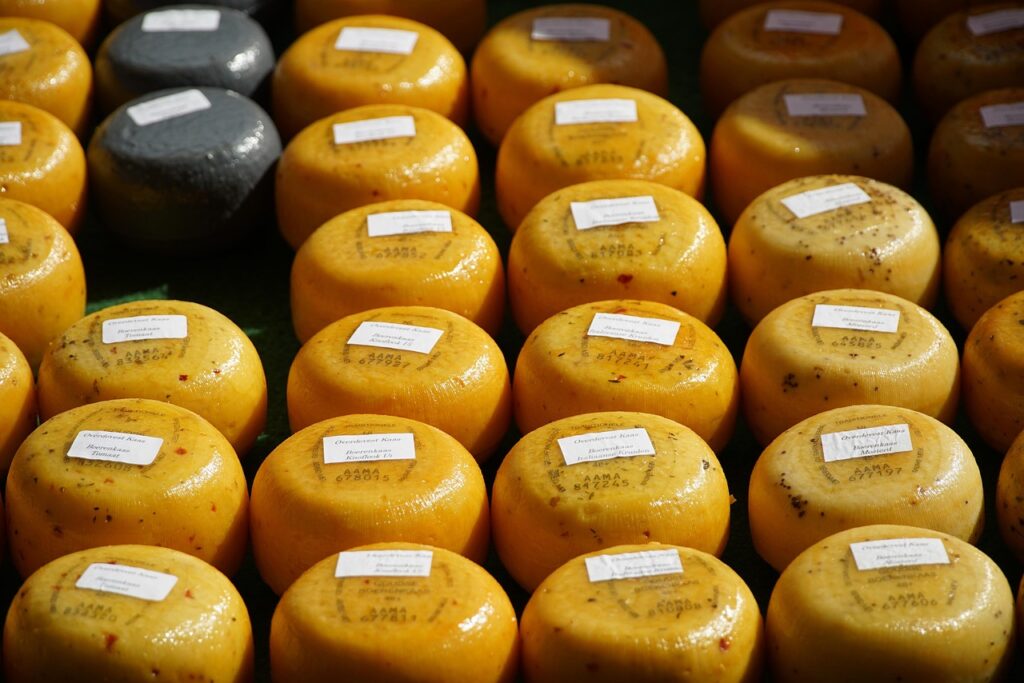
Extra local tips: ask your guide about fado concert times in Coimbra (often evenings 20:30–22:30, €10–25), avoid the hottest parts of the day for uphill walks (favor 09:00–11:30 or 17:00–19:00), and carry cash for small purchases (pastelarias usually accept cards but tiny shops may prefer cash). For authentic souvenirs, look for regional products (honey, cheeses) and university-related items (scarves, old books).
Conclusion: Which Way to Explore Coimbra’s Neighborhoods?
The answer largely depends on your time and emotional priorities. If you want to quickly absorb Coimbra’s big history, gain access to regulated sites like the Biblioteca Joanina and the University Tower, and enjoy reliable anecdotes, a guided tour is the most practical choice. It provides structure, historical context and useful logistics (access, tickets) at reasonable rates (typically €20–35 for group tours). Morning or late-afternoon slots are recommended to avoid crowds and get better photo lighting.
If, instead, you’re drawn to daily-life details, the atmosphere of narrow lanes, intimate cafés and chance encounters, wandering solo will give you a unique experience. It allows you to linger on a bench, listen to a student playing fado in a courtyard, enjoy coffee at Café Santa Cruz (espresso €1.10–1.50, simple dishes €6–12) or browse old bookstores on Rua Ferreira Borges. Freedom comes with practical constraints, though: prior reservations are advised for certain sites, you’ll manage your own schedule and routes, and you’ll need to check opening hours—especially for the Biblioteca Joanina and the Tower (combined ticket about €12).
For most visitors, the most balanced option is to book a focused guided tour (university and library) and spend the rest of the day wandering. That way you combine a guide’s expertise for the closed sites and the spontaneity of personal exploration to feel the city. Whatever you choose, respect the locals’ pace: walk gently, step into churches when open, taste local specialties and—if possible—attend a Coimbra fado concert to grasp the musical and academic spirit that lives in this ancient city.
Have a great trip to Coimbra: guided or on your own, the city promises emotions, views and stories you’ll carry long after you return.