





Introduction: Why watch the paid attractions in Coimbra
Coimbra, a centuries‑old university city perched on the banks of the Mondego River, often feels like a romantic, brainy stop in central Portugal. Its cobbled lanes, baroque facades, secret gardens and historic institutions draw a steady stream of visitors — international tourists, Portuguese families on short breaks and students of the Universidade de Coimbra. Many of the main sights here require an admission ticket: national museums, historic libraries, restored monasteries, theme parks and archaeological ruins. While the overall vibe of Coimbra is relaxed, some ticketed attractions regularly form long queues, especially in high season (spring and summer), during university festivities (Queima das Fitas in late May–early June) and on long weekends. Knowing which places to watch and when to avoid them can turn a frazzled day into a calm, immersive and respectful visit.
This guide is aimed at the thoughtful traveler: it lists Coimbra’s main paid sites, their exact addresses, indicative prices in euros, usual opening hours, plus detailed descriptions and local tips to dodge the lines. The goal is twofold: help you realistically plan your itinerary and give practical tricks to keep the visit high quality — whether you want to photograph a gilded library hall, listen to a guide explain daily life in a Roman town, or simply enjoy a garden in solitude. The following sections cover both the must‑sees (Biblioteca Joanina, Museu Nacional de Machado de Castro) and lesser‑known spots that still attract queues (Portugal dos Pequenitos, Conímbriga). Each entry includes operational details (address, admission, hours) and practical recommendations: best time slots, online ticketing, combo options, transit access, and crowd‑avoidance advice that still respects each place.
Why so much detail? Because in a compact city like Coimbra, time is the traveler’s currency. Waiting an hour for a 20‑minute visit or missing the ideal light for a photo can ruin a whole day. This guide also stresses how to balance intense touring with breaks — cafés, viewpoints and short strolls — so you sync with a local pace. Expect pragmatic advice (book ahead, arrive before opening, pair nearby sites) and tasteful observations (when to keep quiet, which photo angles work best, why a guided tour often justifies the extra cost).
Finally, prices and hours are given as indicative in euros and can change: always check official websites or call ahead. Addresses are precise for GPS or taxi directions. The guide also includes seven to twelve visual cues to help you picture each site — handy for searching image banks or inspiring your own shots. Lace up your walking shoes, grab your camera and bring your curiosity: we now dive into the ticketed attractions to watch and strategies to avoid lines in Coimbra.

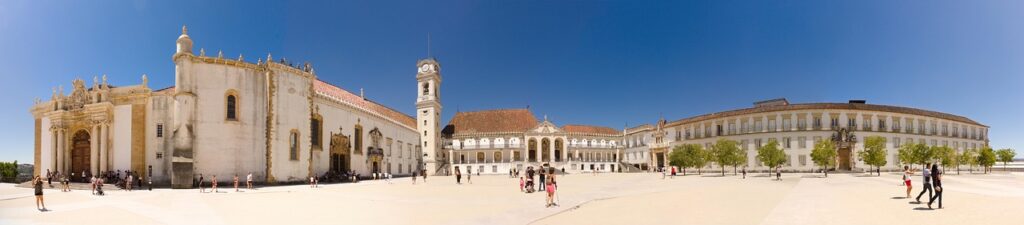
Biblioteca Joanina and Paço das Escolas (University of Coimbra) — When to go
Full name: Biblioteca Joanina, Paço das Escolas, Universidade de Coimbra
Address: Praça Dom Dinis, 3000-143 Coimbra, Portugal
Price: Guided visit ticket indicative: €12.00 per adult (standard rate); student and senior discounts often available; children free/reduced on certain days.
Typical hours: Generally open 09:30–17:30 (last guided entry varies). Occasionally closed for university ceremonies or public holidays; check the Universidade de Coimbra calendar.
Biblioteca Joanina is one of Europe’s baroque treasures: an 18th‑century, lavishly decorated reading room with dark carved wood, gilded ornamentation and painted ceilings. It’s part of the Paço das Escolas, the historic heart of the University of Coimbra, and is almost always visited in guided groups to protect the collection and control humidity and conservation. That guided‑only setup naturally creates small bottlenecks, particularly mid‑morning and mid‑afternoon when multiple groups converge.
Tips to avoid the queue: arrive 20–30 minutes before official opening (09:30): the first tours of the morning are often the quietest and paint the façade and courtyard in soft light ideal for photos. Another option is late afternoon, just before the last group, when day‑visiting tours have usually dispersed. Book your ticket online if possible: the Universidade sometimes offers advance sales via its box office or partner outlets (local agencies). If you qualify for a student or senior discount, have your ID ready to use the reduced access lane and skip the separate pricing checks.
On site tips: tours are guided and strict about restricted areas — no flash photography and no large bags. Take time to enjoy the courtyard (Paço das Escolas) and the city views from the nearby steps: they’re photogenic alternatives if you skip the main hall. If you want to pair visits, look for a combo ticket with the Museu Nacional de Machado de Castro (a 5–10 minute walk away): some seasonal bundles streamline access through a single ticketing point.
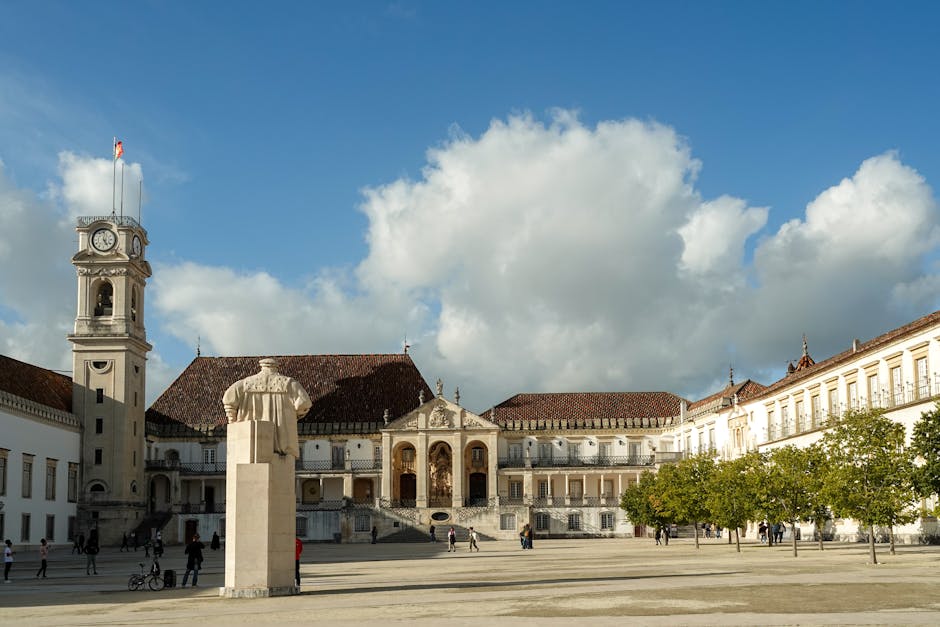
Museu Nacional de Machado de Castro and Sé Velha — off‑peak hours and visits to favor
Full name: Museu Nacional de Machado de Castro / Museu da Sé Velha de Coimbra (museum and cathedral)
Museum address: Largo Dr. José Rodrigues, 3000-376 Coimbra, Portugal
Sé Velha address: Largo da Sé Velha, 3000-219 Coimbra, Portugal
Price: Museu Nacional de Machado de Castro: €6.00 per adult (indicative); €3.00 reduced; free entry some Sunday mornings depending on programming. Sé Velha: often free to enter, though there may be a small charge for visiting chapels or towers (around €2.00–€3.00).
Typical hours: Museum 10:00–17:30 (closed some Mondays); Sé Velha 09:00–18:00 (hours vary with season and church services).
The Museu Nacional de Machado de Castro sits in the old episcopal palace and houses an impressive collection of sacred art, sculptures, archaeological finds and a spectacular Roman cryptoporticus — one of the standout reasons to make the trip. The neighbouring Sé Velha (old cathedral), with its imposing Romanesque façade and austere nave, completes a compact but popular cultural loop. A practical issue here is the concentration of visitors in a very tight area: the stretch between the museum, the cathedral and the medieval quarter quickly gets crowded, especially around midday.
Tips to dodge queues: favor a museum visit right at opening (10:00) or late afternoon before closing — these slots see fewer guided tour groups. If your schedule allows, visit the Sé Velha just before a religious service — it will feel more alive yet calmer than peak tourist hours. Sunday mornings can be interesting if the museum has a free entry window: get there early to enjoy galleries before the rush.
Local hacks: the museum sometimes runs temporary exhibits or themed tours (restoration workshops, evening visits) — keep an eye on the official site and book ahead. At Sé Velha, use a viewpoint on Rua da Sofia to photograph the cathedral’s apse from a less‑crowded angle. Pair the visit with lunch or a coffee break at the Mercado Municipal or at small Baixa restaurants to spread your day and avoid the busiest hours.
Conímbriga and Portugal dos Pequenitos — plan around family groups
Conímbriga — Full name: Ruínas Romanas de Conímbriga
Address: Rua dos Pisões, 3135-001 Condeixa-a-Nova (about 16 km from central Coimbra)
Price: Indicative adult ticket: €9.00; reduced €4.50; children often free or offered special school rates.
Hours: 09:30–18:00 in high season (reduced hours off‑season). Closed on some holidays — check before you go.
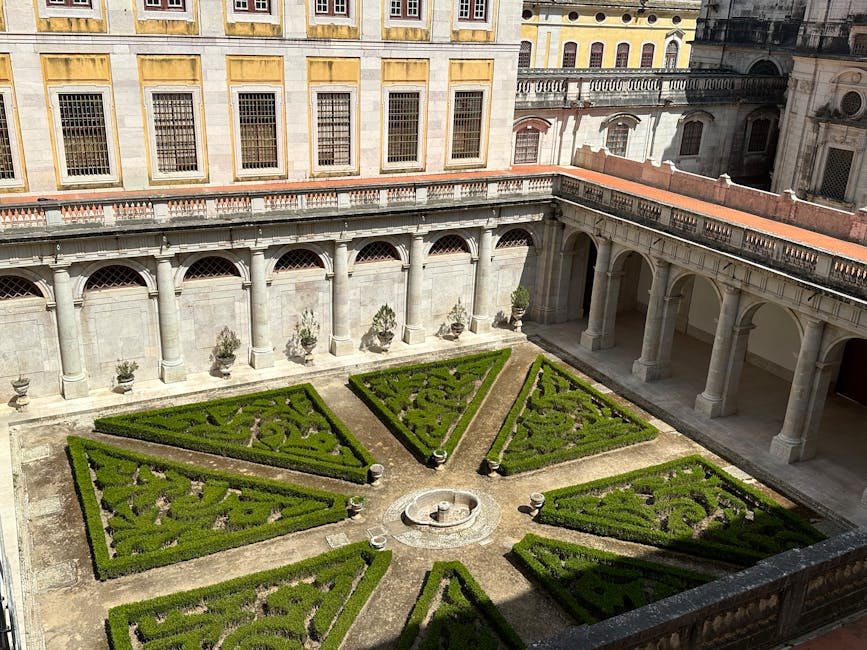
Conímbriga is one of Portugal’s most important Roman archaeological sites, famous for its well‑preserved mosaics, baths, peristyle houses and a modern interpretation center. Access often involves a steady flow of school buses and organized day trips, particularly in the morning and early afternoon during high season. School groups bring a lively, family‑oriented atmosphere — great for energy, less so for visitors seeking quiet contemplation in front of the mosaics.
Portugal dos Pequenitos — Full name: Portugal dos Pequenitos
Address: Rua Padre Cruz, 3040-201 Coimbra
Price: Adult ticket: €7.50; child (3–11) €5.50; family rates and discounts vary by season.
Hours: 10:00–18:00 in high season; reduced hours off‑season.
Portugal dos Pequenitos is a miniature theme park perfect for families: scaled models of Portuguese buildings, cultural figures and historical scenes. It’s a magnet for family groups and tour coaches, which often causes ticket lineups and congestion around the central zone. For a solo traveler or a couple, the experience can lose its momentum if you arrive in the middle of a family bustle.
Tips to avoid crowds: for Conímbriga, favor late afternoon (about two hours before closing) when school groups have left and the light is flattering on the mosaics. Alternatively, be at the site right at opening and allow 1.5–2 hours to properly explore the ruins and the interpretation center. For Portugal dos Pequenitos, the best windows are opening time (10:00) on weekdays or the hours close to closing: families tend to do full‑day visits and coaches usually arrive in the morning.
Logistics: Conímbriga is outside central Coimbra — plan a car or a booked excursion if you don’t rent a vehicle. Portugal dos Pequenitos is reachable by public transport from the train station but check connections; by taxi it’s a 10–15 minute ride from the center. Buy tickets online if offered, or contact local tourist offices for bundled deals and combined discounts (Conímbriga + local museum, for example).
Quinta das Lágrimas and Mosteiro de Santa Clara-a-Velha — seasonal and event‑sensitive sites
Quinta das Lágrimas — Full name: Quinta das Lágrimas (historic gardens and estate)
Address: Rua António Augusto Gonçalves, 3040-150 Coimbra
Price: Garden and park access: €3.00 per adult (indicative); guided estate tours or historical dinners cost more (often > €15–€30 depending on the activity).
Hours: Gardens and park typically 09:00–19:00 in season; reduced hours off‑season.
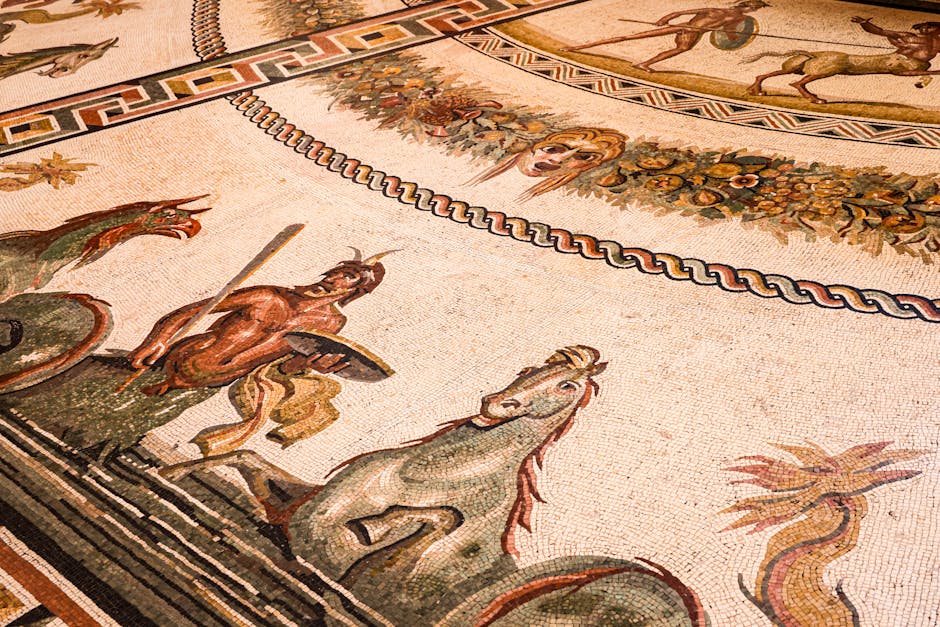
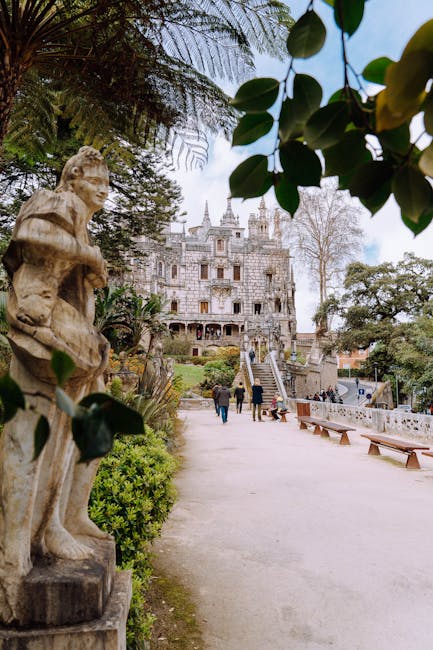
Quinta das Lágrimas is steeped in romantic legend — the story of Pedro and Inês de Castro — with lush gardens, groves and water features that are perfect for a romantic stroll. The estate is popular for wedding shoots and ceremonies, which can lead to partial closures or restricted areas during private events. If a wedding is taking place during your visit, expect closed sections and crowded photographic spots.
Mosteiro de Santa Clara‑a‑Velha — Full name: Mosteiro de Santa Clara‑a‑Velha (ruins and interpretation center)
Address: Rua Bgo. do Castelo, 3040-493 Coimbra
Price: Adult entry: €3.50 (indicative); discounts for students and seniors.
Hours: Generally 10:00–17:00; hours vary by season.
Mosteiro de Santa Clara‑a‑Velha, located near the river, is a moving site: medieval ruins affected by floods and a modern visitor center that tells the story of flood control and monastic life. Thematic guided tours and temporary exhibitions attract organized groups, particularly in milder months when riverside walks are popular.
Tips to avoid queues: check the calendar for weddings and local festivities (tourist offices often have that info) before planning your Quinta das Lágrimas visit. If a private event limits access, choose an early weekday morning or late afternoon. For Santa Clara‑a‑Velha, late morning after opening is usually quieter: coach arrivals tend to cluster between 11:00 and 15:00. Audioguides are a smart alternative during busy periods — they let you follow the exhibition without waiting for a guided group.
Local tips: combine a Quinta das Lágrimas visit with a break at the on‑site café/restaurant if open — spreading your time there helps avoid the exit rush. For Santa Clara‑a‑Velha, stroll along the Mondego toward the Pedro e Inês bridge for sweeping views of the monastery silhouette at dusk without the queue, and some great photo opportunities.
Practical tips and overall strategies to avoid queues
Here are tried‑and‑true, concrete recommendations that apply to most of the paid sites listed above to help you optimize time and reduce waiting:
- Book online whenever possible: many museums and attractions offer online ticketing with time slots. Buying ahead secures a specific window and sometimes priority access. Check official sites (Universidade de Coimbra, Museu Nacional, monument pages).
- Visit outside peak hours: early morning (at opening) and late afternoon are usually quieter. Avoid 11:00–15:00 in high season when tourist traffic peaks.
- Favor weekdays: weekends draw local and national visitors; if your schedule allows, pick Tuesday–Thursday for calmer visits.
- Choose themed or evening guided tours: these often have smaller groups and better listening conditions. Night tours (when offered) provide a unique atmosphere and fewer crowds.
- Get combo tickets: look for passes that bundle several sites (e.g. Universidade + Museu Nacional); such packages reduce the need to queue separately at each attraction.
- Have supporting documents ready: student, senior and family discounts require ID — keep them handy to speed up checks.
- Plan logistics: some attractions (Conímbriga) are outside the center and draw groups; leave early or book transport to control your arrival time.
- Avoid major university events: Queima das Fitas (May/June) and other ceremonies alter access to university sites — check ahead.
- Use common local sense: respect opening hours, keep quiet in libraries, no flashes and protect historical objects. Respecting rules speeds checks and prevents tour suspensions.
Also adapt your route to the weather: on very hot days visitors flock to air‑conditioned museums and lines grow; on cloudy days outdoor sites like Conímbriga tend to be quieter. If you’re short on time, concentrate on two or three major sights rather than racing and spending the day in queues. Coimbra is best savored slowly: its finest discoveries often come when you take your time.
Quick recap of addresses and indicative prices
- Biblioteca Joanina, Paço das Escolas, Praça Dom Dinis, 3000-143 Coimbra — Guided visit fee: around €12.00.
- Museu Nacional de Machado de Castro, Largo Dr. José Rodrigues, 3000-376 Coimbra — Entry: around €6.00.
- Sé Velha de Coimbra, Largo da Sé Velha, 3000-219 Coimbra — Free access or small donation/fee for specific areas €2.00–€3.00.
- Conímbriga (Ruínas Romanas de Conímbriga), Rua dos Pisões, 3135-001 Condeixa-a-Nova — Entry: around €9.00.
- Portugal dos Pequenitos, Rua Padre Cruz, 3040-201 Coimbra — Entry: around €7.50.
- Quinta das Lágrimas, Rua António Augusto Gonçalves, 3040-150 Coimbra — Garden access: around €3.00; paid events vary.
- Mosteiro de Santa Clara-a-Velha, Rua Bgo. do Castelo, 3040-493 Coimbra — Entry: around €3.50.
Conclusion: Plan ahead to fully enjoy Coimbra
Coimbra is a city where every corner tells a story — academic, Roman, religious or popular. The paid attractions reviewed here concentrate much of the city’s tourist interest, but they also require some planning to avoid the frustrations of long queues. Buy tickets online when you can, choose off‑peak time slots, opt for fixed‑time guided tours and combine nearby sites — these straightforward practices work wonders. The addresses and prices in this guide help you build a realistic route: from Biblioteca Joanina to the Museu Nacional de Machado de Castro, from Conímbriga to the gardens of Quinta das Lágrimas and the miniature park of Portugal dos Pequenitos — each place deserves the right amount of time and attention to be appreciated properly.
Bear in mind that prices and hours are indicative: seasonal changes or exceptional events (university ceremonies, temporary exhibitions, restoration works) can affect access. The best habit is to check official sites the day before your visit or contact Coimbra’s tourist office. Finally, leave some flex in your schedule: skipping an overcrowded attraction for a riverside stroll or a local café can be just as memorable. Coimbra lends itself to slow discovery and observation; by anticipating busy periods and showing respect for the sites, you’ll preserve their beauty and serenity — and leave with lasting images and impressions, far from the rush and the queues.