




Introduction — Why Coimbra Deserves a Smart Visit
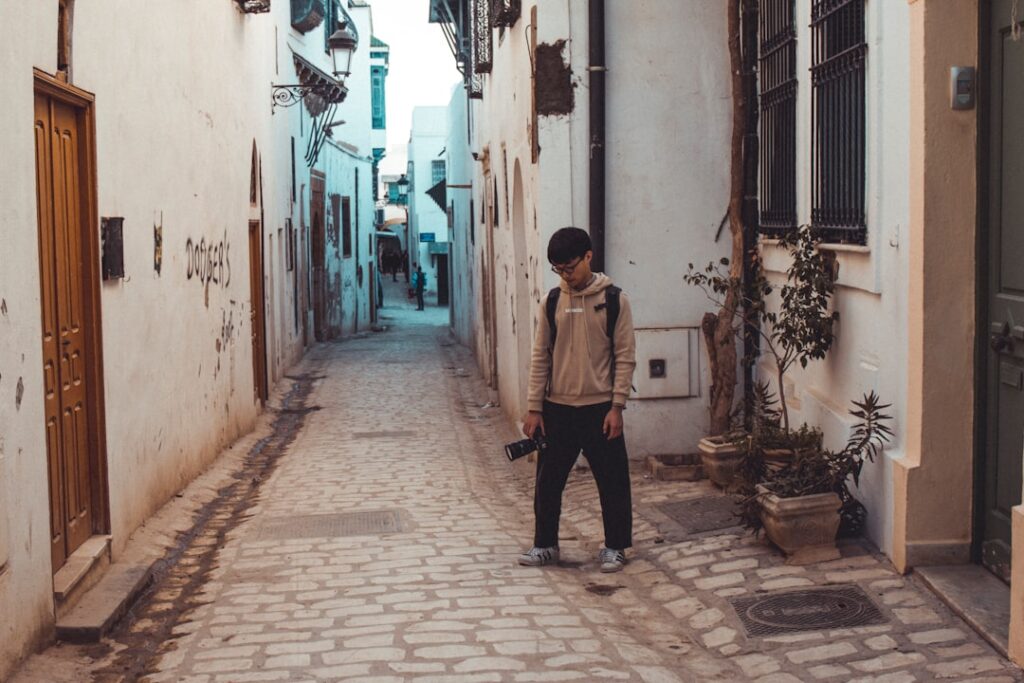
Coimbra is a city you discover by wandering its sloping streets, admiring facades tiled with azulejos, and hearing voices echo through the walls of one of Europe’s oldest universities. Nestled halfway between Lisbon and Porto, it blends history, student life, fado music, and a Portuguese relaxed vibe that can fool a hurried traveler. To get the most out of your stay without wasting time or money, plan smart: pick the right times to visit, use combined tickets, favor sensible walking routes, and know trustworthy spots for a meal or coffee. This practical guide brings together 10 local tips you can use right away — with exact addresses, approximate prices in euros, and typical opening hours — so you can explore Coimbra efficiently: see the highlights without overpaying.
At the heart of the city is the Universidade de Coimbra, a UNESCO World Heritage site whose Biblioteca Joanina is the must-see star. But Coimbra is more than the library: wander quieter neighborhoods like Baixa and Alto de Santa Clara, visit museums such as the Museu Nacional de Machado de Castro, check out nearby Roman ruins (Conímbriga), and stroll the bridges and banks of the Mondego where locals gather. Depending on the season you may catch student fado concerts (Coimbra fado), and academic festivities (like the Queima das Fitas in spring) turn the city into a living spectacle. All this means thoughtful planning multiplies experiences and cuts costs: use combined monument passes, visit early to avoid queues, take regional trains instead of taxis, and choose authentic tasquinhas (small taverns) over tourist traps.
This guide contains ten numbered tips for an optimal Coimbra route. Each tip includes specific places — full names, addresses, indicative prices and usual hours — plus local tricks to save time and money. I’ve added recommendations for eating, sleeping and getting around, plus photo tips to capture your visit. Image markers point out visual scenes to look for and photograph to make a successful album. Follow this practical itinerary and avoid common mistakes: you’ll leave with memories, not regrets or a big bill.
1. Start at Dawn at the Universidade de Coimbra and Buy the Combined Ticket
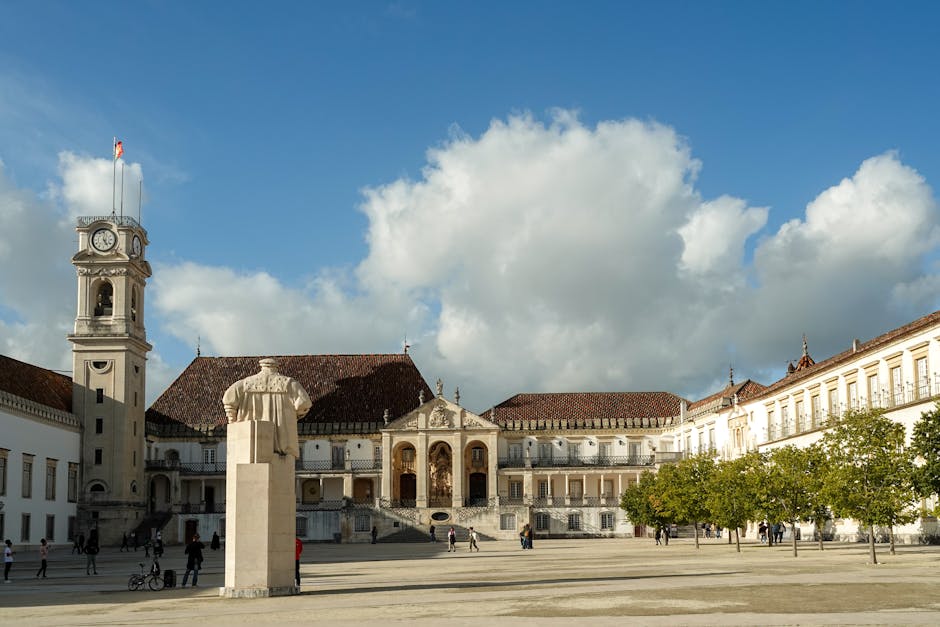
The best way to make the most of your first morning is to arrive at Paço das Escolas early, opening your visit at the first hour to avoid crowds and school groups. The main entrance is at Porta Férrea, Largo da Porta Férrea, 3000-447 Coimbra. The university complex visit usually includes Pátio das Escolas, the Capela de São Miguel and the famous Biblioteca Joanina (Biblioteca Joanina, Paço das Escolas, Largo da Porta Férrea, 3000-447 Coimbra).
Indicative prices: the combined ticket “Universidade de Coimbra – Paço das Escolas + Biblioteca Joanina” is around €12–€15 for adults (2024–2025 rates, subject to change). Children and student discounts: often around 50% or free for under 10s. Typical hours: 09:00–17:00 (closing times may vary in winter or for university ceremonies). The best slot: arrive at opening (09:00) to see the library before tour groups arrive around 11:00.
Practical tips: buy your combined ticket at the official ticket office (at Porta Férrea) or better yet reserve online at the Universidade de Coimbra’s official site to guarantee access to Biblioteca Joanina, which often limits the number of visitors per rotation. Bring ID if you claim student or senior rates. Be ready to check large bags: you may be asked to leave them at the entrance.

2. Schedule the Museu Nacional de Machado de Castro for Mid-Morning
After the university, head down to the Museu Nacional de Machado de Castro to enjoy a museum that’s usually less crowded than at peak times. The museum is at Largo Dr. José Rodrigues 20, 3000-472 Coimbra. Housed in the former bishop’s palace and built over the crypt of a Romanesque cathedral, it displays sculpture, metalwork and sacred art collections from the Middle Ages to the 18th century.
Indicative prices: general admission around €5–€7 (reduced rates for students/seniors). Typical hours: 10:00–18:00 Tuesday to Sunday (closed Monday), with earlier closures possible in winter. The museum’s belvedere offers a lovely view over the city and the Mondego river — a great photo spot.
Local tips: use the audio guides if you’re short on time — they let you hit the highlights in 45–60 minutes. If you have a combined ticket or a Lisbon/Porto card (check validity for Coimbra), ask for a discount at the ticket desk. Plan 1h15 for a full visit, or 45 minutes to focus on the main highlights (the Romanesque hall, the courtyard and the belvedere). Nearby you’ll find village-style cafés for an affordable coffee break.
3. Sort Your Meals: Where to Eat Well Without Overspending — Reliable Addresses
Eating in Coimbra can be very affordable if you choose the right local spots and avoid the tourist traps around the University. Here are three safe, good-value options:
- Tasca do Celso — Rua da Sofia 134, 3000-289 Coimbra. Homemade Portuguese cooking, generous portions. Typical main dishes include bacalhau à bras or stewed octopus. Average price: €8–€14 per main. Hours: 12:00–15:00; 19:00–22:00 (closed Sunday evenings).
- O Cantinho dos Reis — Travessa da Queima das Fitas 3, 3000-135 Coimbra. Small tasca with affordable daily menus. Lunch menu around €7–€10 (dish + drink). Hours: 11:30–15:30.
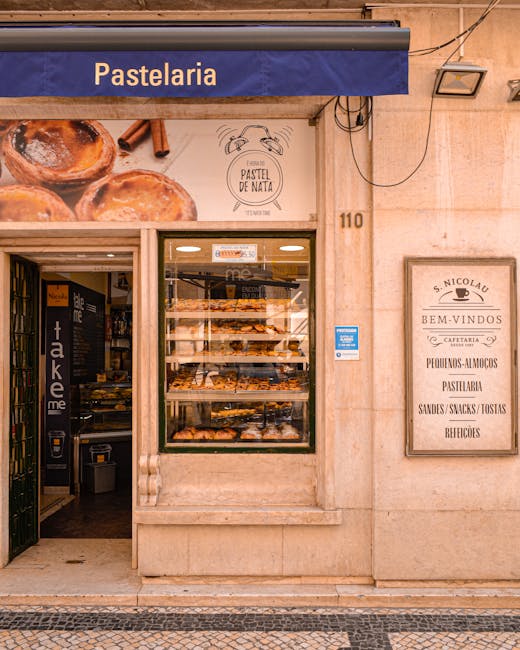
- Pastelaria Briosa — Rua Ferreira Borges 147, 3000-254 Coimbra. Great for a morning pastel de nata or a sweet snack; coffees from about €1.20–€1.80. Hours: 07:30–20:00.
Money-saving tips: order the prato do dia (daily plate) at lunchtime — it’s often the best value. Avoid restaurants right in front of attractions; they frequently mark up prices. If you’re in a rush, grab sandwiches and a drink from a pastelaria to eat by the Mondego river — cheap and pleasant.

4. Save Time with Logistics: Transport, Stations and Walking
Coimbra has two main train stations: Coimbra-A and Coimbra-B. Coimbra-A (Praça da Estação, 3000-150 Coimbra) is on the Lisbon–Porto main line and is closer to the historic center than Coimbra-B (in the southeast, Rua António da Costa). If you arrive by train from Lisbon or Porto, getting off at Coimbra-A will save you a taxi transfer or an extra urban transfer.
Indicative prices: a regional train (Comboios Regionais) between Porto (Campanhã) and Coimbra-A can cost €6–€12 depending on the train type. Intercidades trains are faster and pricier (count on €10–€20). Book Intercidades in advance if you travel in high season. For short urban bus trips, a single ticket is about €1.30–€1.50.
Local tips: walk around Baixa and Alta — the historic centre is very walkable, though the hilly streets demand good shoes. If you’re tired and need to get up to the University, use the Elevador da Rocha or take a short taxi from Praça 8 de Maio — a quick ride costs about €3–€6. Have local taxi numbers handy or enable Uber/Bolt (availability varies). If you plan an excursion to Conímbriga or elsewhere, compare prices for a shared taxi (often cheaper) versus train + bus.
5. Don’t Miss Conímbriga — How to Get There Without Breaking the Bank
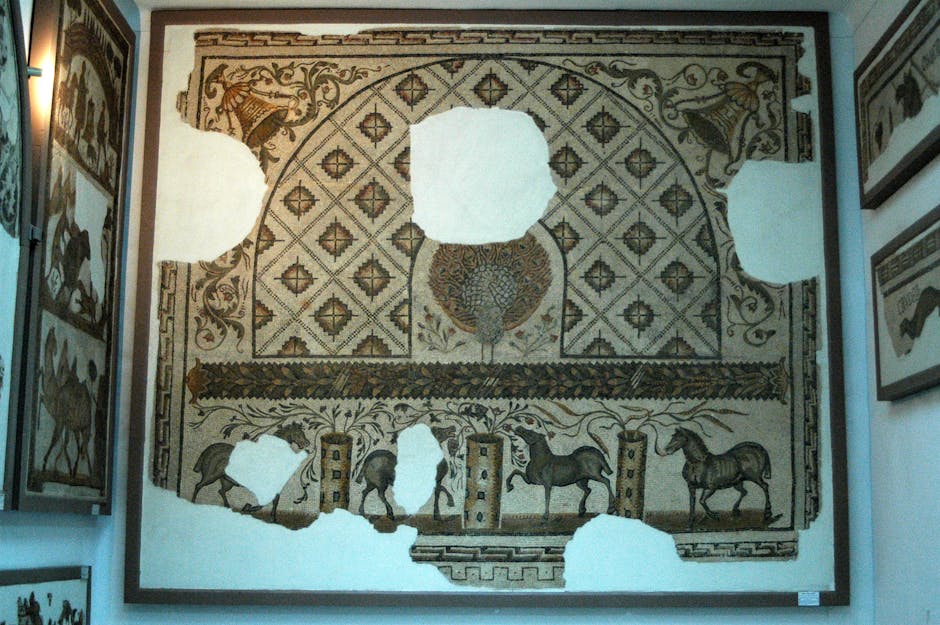
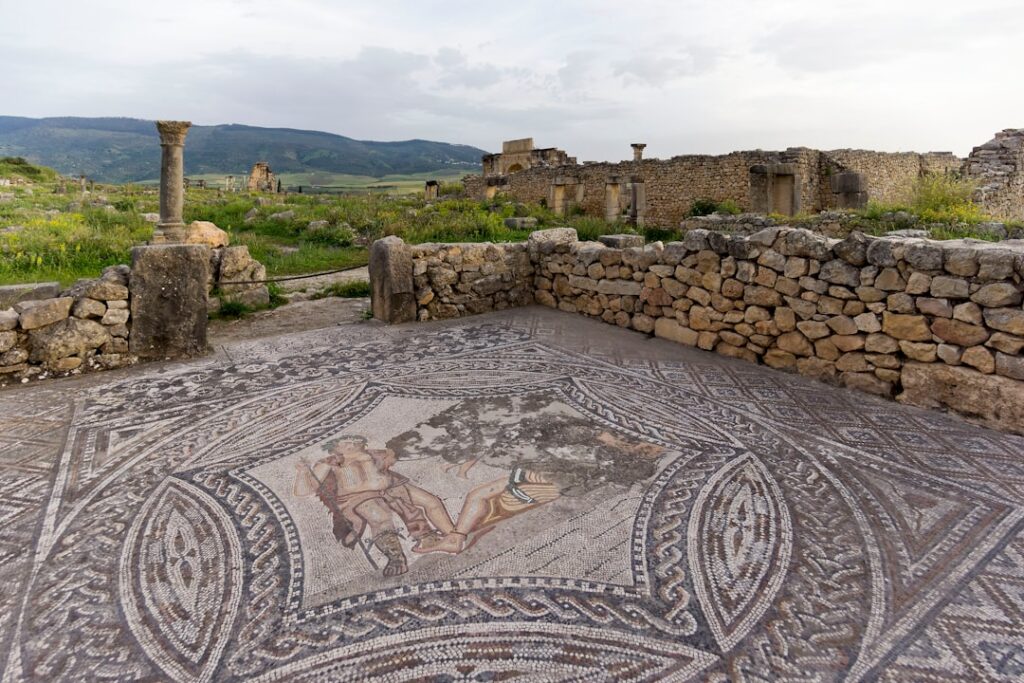
About 16 km southwest of Coimbra, Conímbriga (Conímbriga, 3040-278 Condeixa-a-Nova) is one of Portugal’s best-preserved Roman sites, famous for its colorful mosaics. It’s a recommended half-day trip that’s easy to organize from Coimbra.
Access: take a regional train to Condeixa-a-Nova (station: Condeixa-a-Nova, about a 10–15 minute taxi ride from the ruins), or take a direct bus from Coimbra’s bus terminal (Terminal Rodoviário de Coimbra, Avenida Fernão de Magalhães 287). Alternatively, taxi or ride-hailing direct (about €25–€35 one way, cheaper if shared).
Indicative prices: entrance to Conímbriga is around €5–€8 for adults (2024 rates), reduced for students/seniors. Hours: generally 09:00–18:00 in season (reduced or closed off-season). Allow 1.5–2 hours on site to fully see the mosaics, the attached Museu Monográfico de Conímbriga and the vistas.
Practical tips: go early to avoid summer heat and crowds. Bring water and a hat — much of the site is exposed. If you’re in a group, negotiate a round-trip taxi; it can be cheaper than two separate train + bus tickets. Take close-up photos of the mosaics and read the explanatory panels — the museum’s audio guide is worth it if you love archaeology.
6. Attend an Authentic Coimbra Fado Without Getting Duped
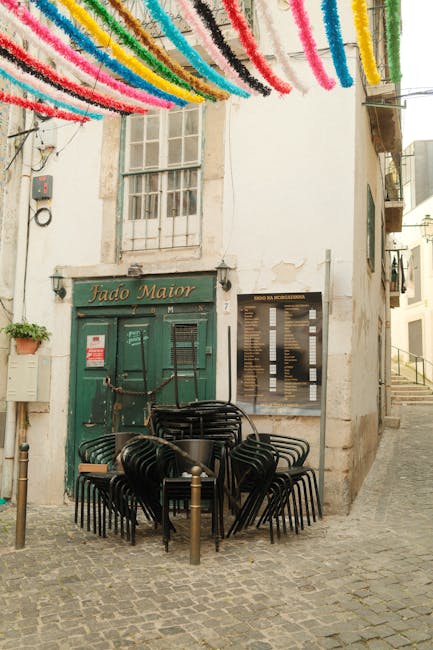
Coimbra fado is distinct from Lisbon fado: it’s sung by students and often performed in a more academic, melancholic style with university-themed lyrics. For an authentic experience, seek concerts organized by student associations or historic cafés rather than mass-produced tourist shows.
Places for an authentic experience:
- Casa da Esquina — Rua da Sofia 76, 3000-289 Coimbra. Student nights and small concerts. Entry varies: €5–€12 depending on the event. Hours: evening, often after 21:00.
- A Capella Jazz & Fado (local events) — check the Universidade de Coimbra or Câmara Municipal (Paços do Concelho) calendars for recitals at the Salão Nobre (Praça do Comércio 1, 3000-243 Coimbra).
Anti-scam tips: avoid “Fado & dinner” packages with inflated prices near main attractions; prioritize quality over showy tourist packaging. Buy tickets in advance for popular concerts (for example during Queima das Fitas) and arrive early to get a good seat — performers are often right next to the audience.
7. Explore the Mondego Riverbanks and Save with Free Breaks
Strolling along the Mondego river is one of Coimbra’s most enjoyable and free activities. Start at Praça do Comércio (3000-243 Coimbra) and walk toward Parque Verde do Mondego, crossing or passing by the Ponte de Santa Clara (Ponte de Santa Clara, 3000 Coimbra). It’s a great way to see the city from a different angle, watch local life, and picnic without spending a euro.
Practical tips: pick up local specialties (bread, cheese, olives) from a bakery or grocery for a riverside picnic. Sunsets over the river are especially photogenic — aim for late afternoon from around 18:00. Many locals use these green spaces for exercise, reading or meeting friends: respect the area and bring a bag for your trash.

8. Optimize Religious Visits: Sé Velha and Sé Nova
Coimbra is home to two emblematic cathedrals: the Sé Velha (Old Cathedral) and the Sé Nova (New Cathedral). Each provides a different window into the city’s religious and architectural history.
- Sé Velha de Coimbra — Largo da Sé Velha, 3000-295 Coimbra. Robust Romanesque architecture and a peaceful cloister. Entrance: €2–€4 (depending on temporary exhibitions). Hours: 09:00–18:00 (varies).
- Sé Nova de Coimbra — Largo da Sé Nova, 3000-343 Coimbra (near Jardim da Sereia). Built in the 16th century, it sometimes hosts concerts and exhibitions. Entrance is often free but some areas may request a donation or a small charge.
Tips: pair these visits with a walk through nearby public gardens (Jardim da Manga, Jardim Botânico da Universidade de Coimbra) for a cultural and relaxing half-day. Check the mass schedules if you want to attend a service — it can be a powerful cultural experience but may close certain areas to visitors.
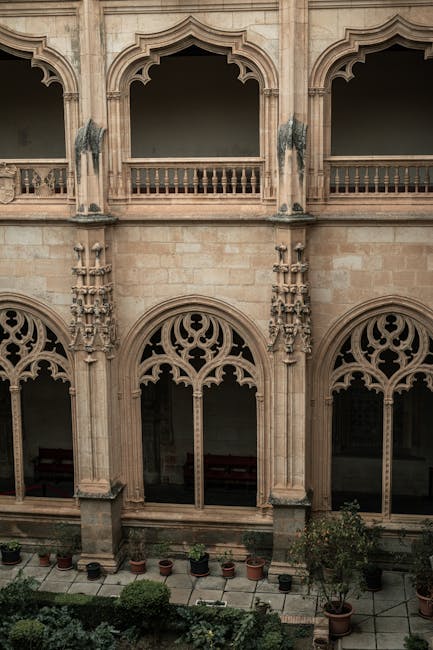
9. Where to Sleep Without Overspending: Neighborhoods and Recommended Stays
To save on accommodation without losing the experience, choose a place in Baixa (lower town) or on the slopes leading up to Alta. These areas offer a good balance of proximity to sights, affordable restaurants and local atmosphere.
Recommended options:
- Hostel Good Mood — Rua Visconde da Luz 97, 3000-301 Coimbra. Dorms and private rooms, dorm beds from €12–€20 per night; private rooms €40–€70 depending on season. Central location, ideal for budget travelers.
- Hotel Ibis Coimbra — Av. Emídio Navarro 2, 3030-078 Coimbra. Budget chain with rooms from about €50–€70. Good for families or travelers with a car.
- Guesthouse in Baixa — plenty of pousadas and pensions between Rua Ferreira Borges and Praça 8 de Maio: €45–€90 per night depending on comfort and season.
Practical tips: book ahead in high season (university spring events, July/August); check recent reviews for soundproofing (student parties can get loud). If you have a car, note parking in Alta is limited and sometimes paid: prefer a hotel with parking or leave the car in a park-and-ride and explore on foot.
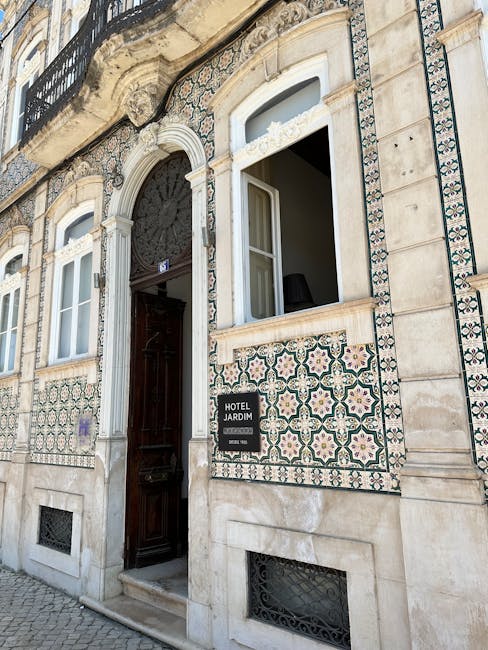
10. Avoid Tourist Traps and Take Advantage of Local Deals
Some common mistakes waste time and money: buying souvenirs in overpriced central shops, paying for generic guided tours when a free leaflet will do, or taking taxis for short trips in the old town. Here are concrete tips to avoid them:
- Buy souvenirs (azulejos, handmade paper, local soaps) in the small shops along Rua da Sofia rather than on main squares: prices are generally more competitive. Indicative price for a small handmade azulejo: €3–€10 depending on size.
- Free “pay what you want” walking tours sometimes exist; check with the Oficina de Turismo (Praça do Comercio 1, 3000-243 Coimbra) for schedules and starting points. These tours give good orientation and help plan the rest of your visit.
- Avoid changing money at exchange offices right by attractions; ATMs and banks often give better rates despite withdrawal fees. Check with your bank about foreign withdrawal charges.
- If a guide offers a very expensive “private” route, ask for a written quote and compare with official tours. Official guides often carry an ID badge or professional card.
Budget-smart local tips: choose walking, cycling (bike rentals from about €8–€12 per day) and local buses (€1.30–€1.50) over taxis for intra-city trips; take a midday prato do dia; and visit sites in the morning or late afternoon when crowds are smaller and cafés sometimes run promotions.
Conclusion — Visiting Coimbra Efficiently: A Practical Summary
Coimbra lends itself surprisingly well to an optimized visit: compact and rich in university and cultural heritage, it offers authentic experiences if you know where to go and how to manage time and budget. Start at the Universidade de Coimbra at opening time, buy the combined ticket for Biblioteca Joanina, then follow with the Museu Nacional de Machado de Castro before lunch. Favor meals at local tasquinhas or pastelarias to save. For a half-day excursion, Conímbriga is reachable by train or shared taxi and is well worth the trip for its mosaics.
Logistics tips: arrive at Coimbra-A station if you come by train, walk through Baixa and Alta, use buses and bikes for longer hops, and avoid taxis for short distances to cut costs. Finding an authentic Coimbra fado takes a bit of research: prefer student associations and historic cafés to packaged tourist shows. To save smartly, opt for daily menus, combined tickets and avoid overly touristy souvenir shops.
This guide has given you ten concrete tips, with addresses and price hints to help you plan a productive and enjoyable stay in Coimbra. Keep in mind that opening hours and prices can change: always check official sites (municipality, museums, university) before you travel. With good planning — arrive early, book essential tickets, eat locally and walk wisely — you’ll find a Coimbra generous in feeling, history and flavors, without wasting your time or money. Have a great trip and enjoy wandering Coimbra’s historic streets!