




Introduction: Why this guide to tourist traps in Coimbra is essential
Coimbra, a former capital of Portugal and a thousand-year-old university city, draws thousands of visitors every year with its monumental heritage, winding medieval streets and lively student atmosphere. But like any popular tourist destination, some commercial or informal practices can turn an otherwise pleasant trip into a frustrating or expensive experience. This guide is designed to inform you, the savvy traveler, about the most common tourist traps in Coimbra: from minor financial scams to overpriced tourist services, and misleading commercial practices or overhyped “local experiences.” Far from alarmist, this piece aims to give detailed descriptions, precise addresses, indicative opening hours, typical prices in euros and practical tips so you can enjoy Coimbra with confidence.
We’ll cover the high-risk spots often targeted by these practices — the Biblioteca Joanina and the Paço das Escolas of the University of Coimbra, Largo da Portagem and its shops, Praça 8 de Maio where cafés and stores are concentrated, as well as the train station and the areas around major monuments. For each common scam you’ll find: an immersive description of how it plays out, easy-to-spot warning signs, reference prices and hours for comparison, and local advice to avoid unpleasant surprises.
This guide is useful whether you’re traveling solo, as a couple, with family or in a small organized group. It combines practical data (opening hours, approximate admission fees), recommendations on how to behave and honest alternatives (reliable local shops, official services, useful phone numbers). Keep in mind that in Coimbra, as elsewhere, most tourism professionals are honest and welcoming. Tourist traps are the exception, but it’s better to be prepared so you can spot and avoid them. Throughout the article you’ll also find local tips — how to haggle, the best time of day to visit the Biblioteca Joanina, or how to get around to avoid overpriced taxis — to turn your stay into a positive, authentic experience.

1) Overcharging for guided tours of the Universidade de Coimbra and Biblioteca Joanina
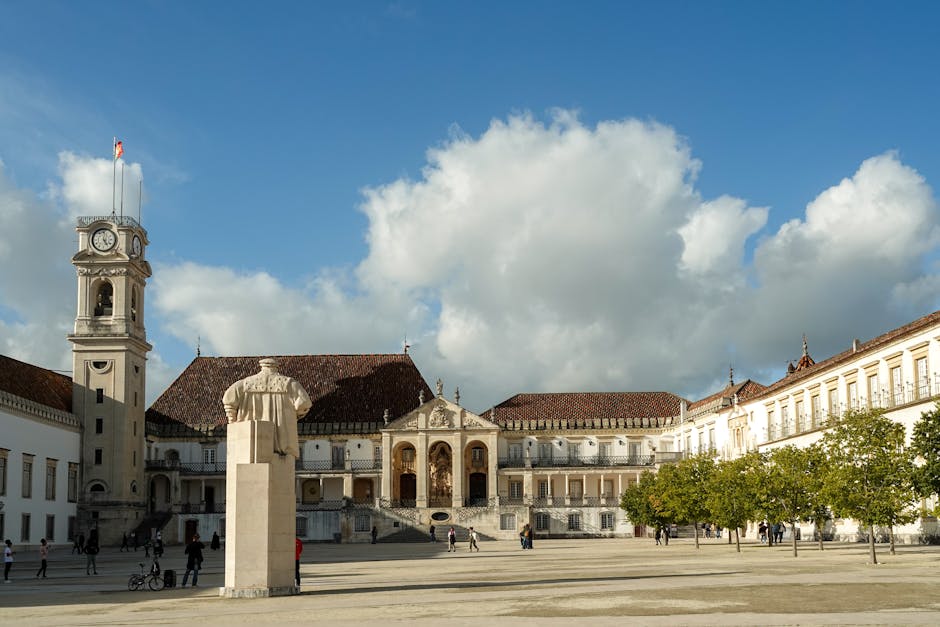
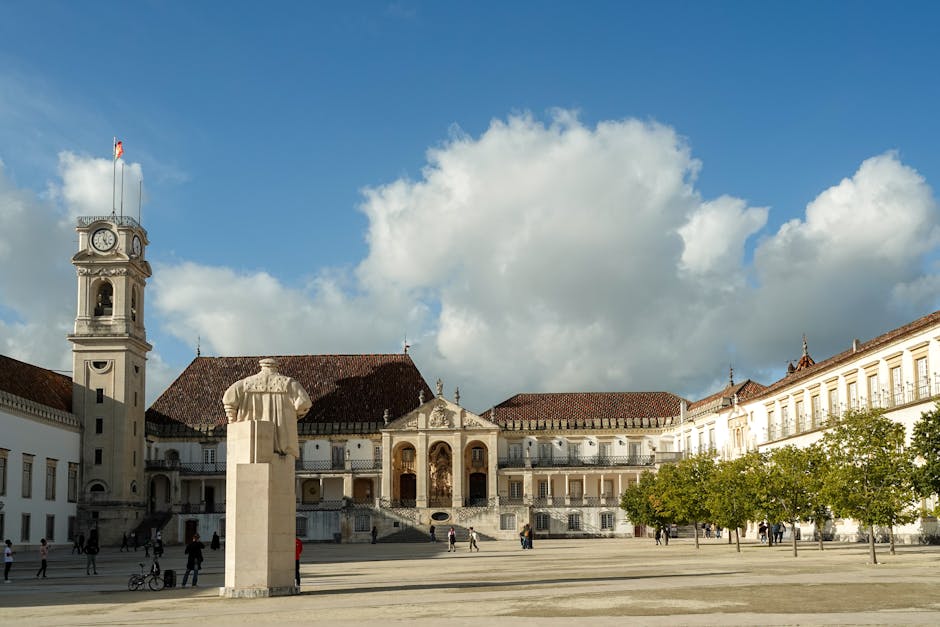
The Universidade de Coimbra — Paço das Escolas and the Biblioteca Joanina are the two most visited sites in the upper town. Common address: Paço das Escolas, Pátio da Universidade, 3000-447 Coimbra. Official opening hours vary by season: generally 9:00–18:00 in high season (April–October) and 9:30–17:00 in low season (November–March). Combined admission for the Paço das Escolas, Biblioteca Joanina and the Torre da Universidade usually runs around €12–15 for an adult (official ticket office price). However, several informal agencies or unauthorized independent guides hang around the forecourt offering “VIP tours” or “priority access” at prices that can soar to €25–40 per person, often with no real added value.
- How the scam unfolds: an unofficial guide approaches, promises “skip-the-line” access and a longer tour, then demands cash or mobile payment. Sometimes the group is later redirected to a fake entrance.
- Warning signs: no official badge, refusal to give a printed ticket, insistence on cash-only payment, pressure to pay immediately.
- Tips: buy your ticket at the official Paço das Escolas ticket office or on the University of Coimbra’s official website. Authorized guided tours display clear pricing and an official badge. If you want an independent guide, check online reviews (TripAdvisor, Google) and ask for an invoice or receipt. Official opening hours should match those posted at the ticket office — if there is a big discrepancy, avoid the offer.
2) Taxis and transfers: overcharging and detours from train stations and bus terminals
Coimbra has two main railway stations: Coimbra-B (the main station served by long-distance trains) and Coimbra-A (closer to the historic center). Approximate address for Coimbra-B station: Praça da Estação, 3000-144 Coimbra. Coimbra-A station: Praça 8 de Maio / Avenida Fernão de Magalhães. Official taxis have a meter (taxímetro) and a visible license, but cases of overcharging do occur, especially for nighttime trips, from the station or tourist parking areas to accommodation zones.
- How the scam works: the driver offers a fixed fare (usually higher) to avoid using the meter, or deliberately takes a longer route claiming roadworks to bump up the final price. On trips from Coimbra-B to the historic center (Alto and Baixa), a normal taxi fare typically ranges between €6 and €12 depending on time and traffic. Dishonest drivers may ask for €20–30.
- Warning signs: refusal to use the meter, offering a high fixed fare, an apparently longer route, refusal to give a receipt.
- Local advice: refuse fixed fares and insist the taxímetro be used. Note the license plate number if possible. Alternatively, use pre-booked transfer services (for example, recognized companies or local apps) or public transport: the municipal bus service (SMTUC) serves the center and the station efficiently (fares around €1.20–€1.80 depending on distance). For added safety, ask the official tourist information point (Posto de Turismo, Largo da Portagem) for recommendations of reliable taxi companies.
3) Tourist shops and restaurants around Praça 8 de Maio: inflated prices and knock-offs
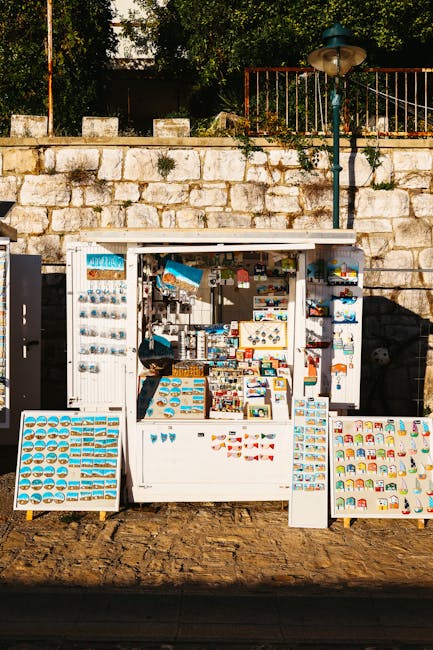
Praça 8 de Maio and nearby streets (Rua Ferreira Borges, Rua Visconde da Luz) form a commercial hub full of cafés, restaurants and souvenir shops. It’s a convenient place to stop but also a hotspot for inflated prices and low-quality goods. For example, a traditional café like Pastelaria Santa Cruz on Praça 8 de Maio (address: Praça 8 de Maio, 3000-322 Coimbra) offers local products; however, nearby shops may sell the same crafts (azulejos, knives, ceramics) for two to three times the price you’d find in specialist stores in the São Sebastião area or the Mercado Municipal.
- How the scam shows up: shopkeepers inflating prices for tourists, sellers pushing “traditional” products that are actually fake (e.g., textiles falsely labeled as handmade), restaurant menus showing a “special” price then tacking on unannounced extras (service charge, cover charge, bread fee).
- Warning signs: lack of clear price tags, menus not translated with “extras” only mentioned verbally, sellers pressuring you to buy using “limited stock” claims.
- Tips: always compare several shops before buying a souvenir; favor stores that display a tax identification number (NIF) and provide a receipt. For dining, avoid restaurants right in front of major monuments if the prices look suspiciously low or high — look for establishments with recent, verifiable reviews. A reasonable daily menu in the center typically costs between €8 and €15 for a main course.
4) Fake charity and street performers: unwanted donations and persistent solicitations
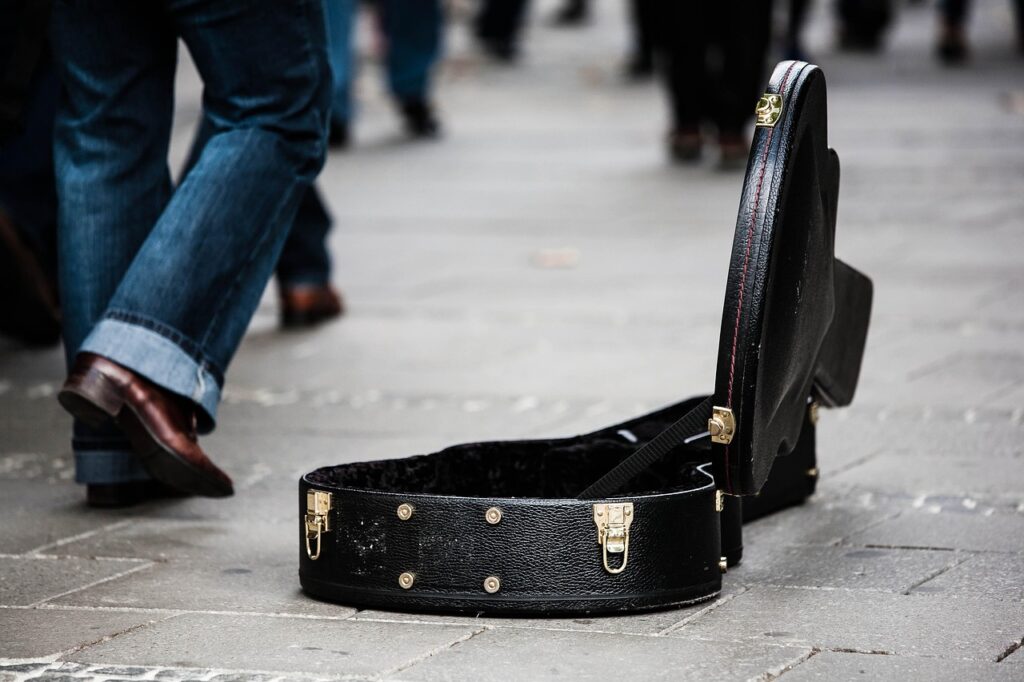
In tourist areas — near the Universidade de Coimbra, the Sé Velha (Largo da Sé Velha, 3000-001 Coimbra) and along the Mondego riverfront — you’ll often encounter street performers, musicians and people collecting donations for seemingly charitable causes. While many are genuine and deserve support, others may use aggressive solicitation tactics or run unauthorized collections. Typical situations include musicians who play a short tune then demand a large sum, or groups gathering signatures and later asking for donations.
- How to spot manipulation: emotional pressure (“we urgently need money”), refusal to provide clear information about the organization, collecting in private areas without permission. It’s common for people to show fake badges or documents mimicking certificates.
- Warning signs: refusal to answer questions, insistence on immediate payment, lack of verifiable information (website, association ID number).
- Tips: to support a cause prioritize well-known organizations (ask for a receipt or search the association’s name online immediately). For street performers, agree on a price before they start playing or drop a small amount in their hat if you enjoyed the performance. Avoid leaving your belongings unattended during these interactions; pickpockets sometimes take advantage of the distraction.
Additional practical tips and useful contacts
– Tourist office (Posto de Turismo de Coimbra): Largo da Portagem, 3000-295 Coimbra. Indicative hours: 9:00–18:00. Phone: +351 239 851 300. Stop by for maps, tickets and reliable recommendations.
– On-duty pharmacies and emergencies: Hôpital Geral de Coimbra (Centro Hospitalar e Universitário de Coimbra), Avenida Bissaya Barreto, 3000-075 Coimbra. National emergency number: 112.
– If you are the victim of a significant scam, report it to the Polícia Judiciária or the GNR depending on the location. Keep all receipts and photographic evidence.

Conclusion: Smart travel in Coimbra — vigilance and enjoyment can go hand in hand
Coimbra is a beautiful city where heritage and a vibrant atmosphere create a unique experience. Tourist traps exist, as they do in any popular city, but with a few simple habits you can largely avoid them. Buy tickets at official counters for the Universidade de Coimbra and Biblioteca Joanina, refuse taxis that won’t use the meter, compare souvenir prices, ask for receipts and favor businesses with reliable reviews. Check with the Posto de Turismo (Largo da Portagem) for up-to-date information on opening hours, prices and recommended services.
Remember that most locals are honest and welcoming; this guide’s goal is to give you the tools to distinguish dishonest behavior from genuine initiatives. By staying alert, verifying information and asking for proof (tickets, badges, invoices), you protect your budget and peace of mind. Finally, don’t hesitate to support recognized local artisans and transparent small businesses — they contribute to Coimbra’s authenticity and deserve encouragement. Have a great trip and enjoy the history, culture and stunning views Coimbra has to offer.