





Introduction — Why choose a local guide for a cultural experience in Coimbra
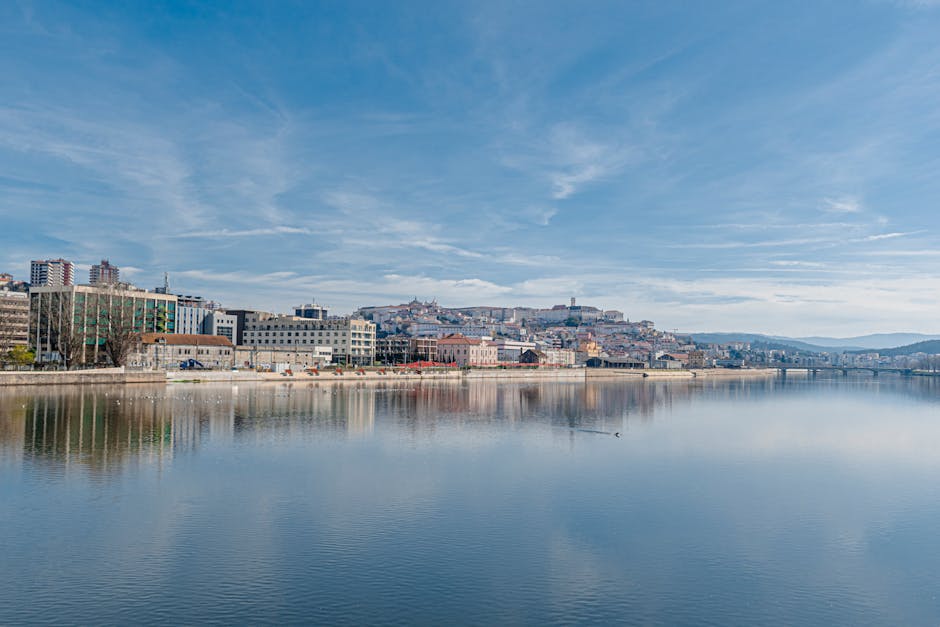
Coimbra, a university city in the heart of Portugal, is packed with history, student traditions, and narrow streets that whisper centuries of cultural exchange. Wandering Coimbra without a guide risks missing the poetry of a small detail, the anecdote that turns a stone into living memory, or the secret of a monument told by someone who grew up with it. Choosing a local guide isn’t just about outsourcing the route: it’s buying a passport to a deeper, more nuanced understanding of the city. A good local guide knows not only opening hours and ticket prices, but also oral histories, student customs, hidden chapels, the best terraces, and the fado houses where the music truly has a Coimbrãense flavor.
Coimbra’s cultural richness shows itself in landmark sites — the University of Coimbra and its Biblioteca Joanina, the Monastery of Santa Clara-a-Velha, the Museu Nacional de Machado de Castro — but also in intangible practices like Coimbra Fado, the academic traditions of students in cloaks, and the religious and secular festivals that mark the year. A local guide knows how to link these dots into a coherent narrative: the origin of a symbol on a facade, why a lane is so narrow, or where a typical dish served at the Mercado Municipal comes from.
Practically speaking, hiring a local guide saves time (skipping queues, knowing less crowded windows), offers authenticity (meet artisans, off-the-beaten-path visits), and increases safety (choosing safe daytime or evening routes, transport tips). It can also unlock exclusive experiences: arranged visits to the Biblioteca Joanina outside peak hours, a guided entry to the Museu Nacional de Machado de Castro, or a private Coimbra Fado evening in an intimate room. Local guides often hold professional licenses, speak multiple languages, and can tailor the visit to your interests — history, food, photography, or even genealogy if you’re tracing Portuguese roots.
Finally, a local guide’s role goes beyond relaying facts: they act as cultural mediators. They contextualize artworks, explain historical tensions between social classes, and describe why certain neighborhoods evolved the way they did. In Coimbra, where the university has shaped the city for centuries, that context is essential — understanding the significance of the University of Coimbra (founded in 1290 and a UNESCO World Heritage site) turns a simple building visit into an immersion in a living institution. In this piece, we’ll dig into the reasons a local guide will enrich your stay in Coimbra, with details on specific sites, addresses, opening hours, indicative prices, and practical tips to make the most of your experience.
1) Deep understanding of must-see sites: University, Biblioteca Joanina and Museu Nacional de Machado de Castro
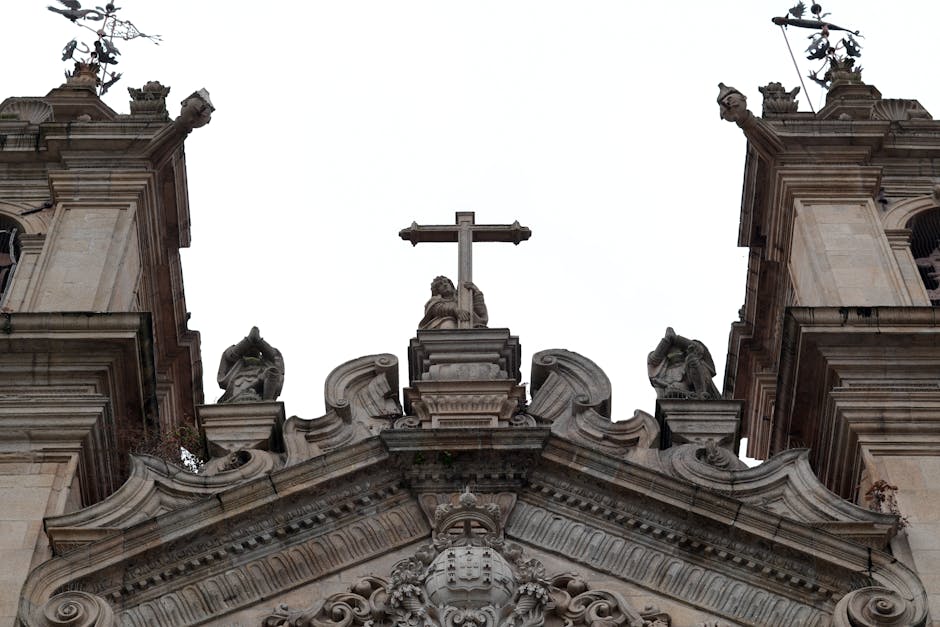
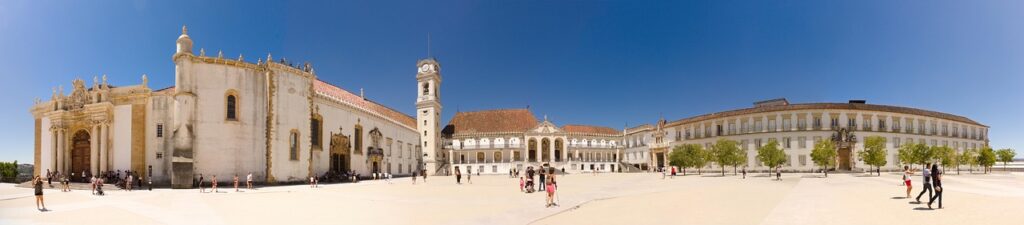
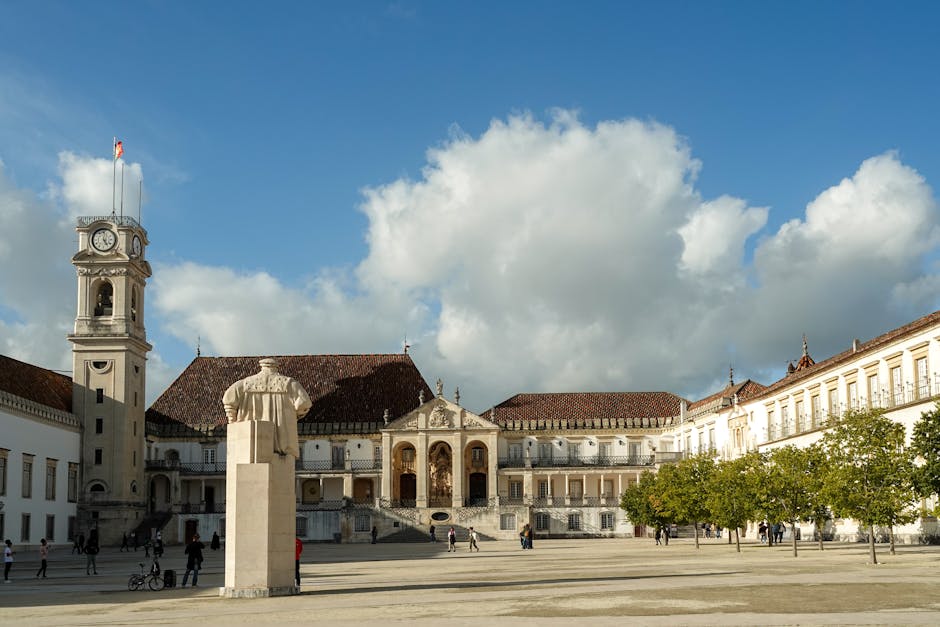
Visiting Coimbra without a guide risks seeing only façades. A local guide will place the University of Coimbra (Paço das Escolas), located at Largo da Porta Férrea, 3000-295 Coimbra, in its historical trajectory from the Middle Ages to its current status. Access to Paço das Escolas is often organized as guided tours. Typical hours: Paço das Escolas and university areas open daily, 09:00–18:00 (seasonal variations). Indicative prices for guided visits to Paço das Escolas and Biblioteca Joanina: around €12–15 for adults, reduced €6–8 for students and seniors (check official ticketing at Largo da Porta Férrea, 3000-295 Coimbra).
The Biblioteca Joanina, part of the same ensemble, is a baroque gem whose visits are tightly controlled to preserve the old books. Access is sometimes limited to guided groups and reservations may be required. Usual hours: 10:00–13:00 and 14:00–17:30, with occasional Sunday morning closures in certain seasons. Price: combined visit with the university monumental area, roughly €12–15. A local guide can explain the origins of the woodwork, the purpose of the narrow windows (protecting against humidity and light), and share anecdotes — for example, the oft-told tale of bats once introduced to eat insects, a story that, embellished over time, illustrates conservation challenges.
The Museu Nacional de Machado de Castro, at Largo Dr. José Rodrigues, 3000-300 Coimbra, houses a remarkable collection of religious art and urban archaeology. Hours: Tuesday to Sunday 09:00–18:00 (closed Mondays). Prices: about €4–6 for permanent collections, €6–10 for temporary exhibitions. A local guide will narrate the museum’s history, housed in the old bishop’s palace, and may take you into the archaeological crypt, offering a stratified perspective on the Roman and medieval city.

2) Access to local secrets: alleys, viewpoints, historic cafés and markets
Coimbra is also discovered in its micro-places: cobbled lanes, miradouros (viewpoints) with sweeping views over the Mondego River, historic cafés and food markets. A local guide will lead you to Miradouro de Santa Clara or the Portagem overlook for perfect sunset panoramas. For example, Miradouro de Santa Clara (near Rua da Sofia) is often best visited late afternoon for ideal photo light. These spots don’t always have exact postal addresses, but a guide will find them and tell their stories — why a stairway bears a name, or the origin of a commemorative plaque.
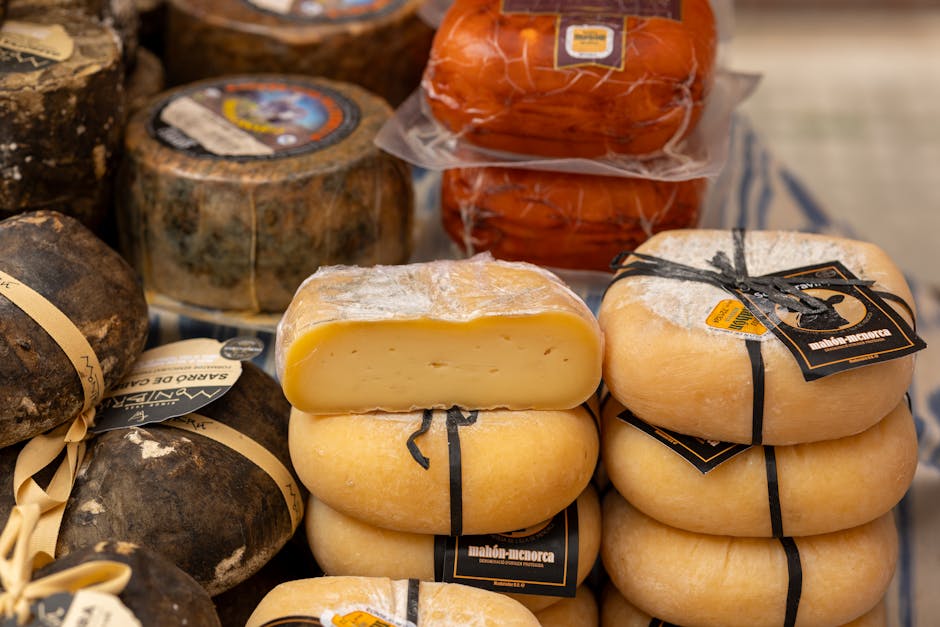
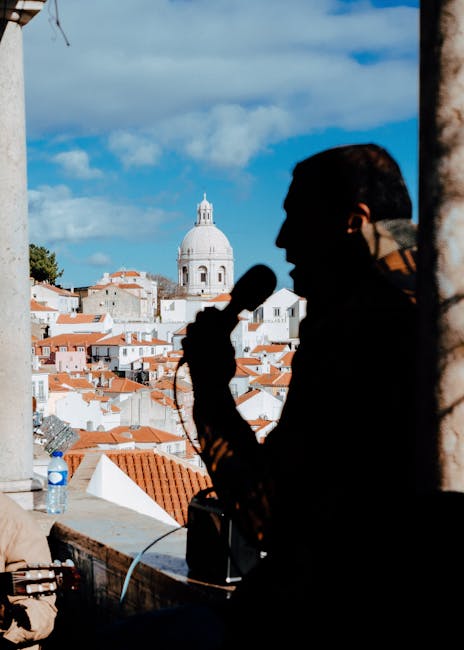
Historic cafés, like Café Santa Cruz (at Praça 8 de Maio, 3000-213 Coimbra — addresses may vary by establishment), often feature 19th-century decor and serve regional specialties. Typical hours: 08:00–23:00. A local guide will advise what to order: a pastel de nata isn’t the local signature here; instead try chanfana (lamb stew cooked in wine) or leitão at the right restaurant. Markets such as Mercado Municipal D. Pedro V, on Rua da Sereia (3000-106 Coimbra), are sensory hubs; hours: generally 07:00–13:00 Tuesday to Saturday. You’ll learn to haggle a bit, spot an authentic Serra da Estrela cheese, and pick the freshest catch from the Mondego.
Your guide will offer practical tips: best terraces for a morning coffee, the times shopkeepers prefer to chat (mornings), and how to avoid tourist traps. They’ll introduce you to artisan workshops (cobblers, pottery studios) and explain how the university tradition still shapes local crafts.
3) Coimbra Fado, student traditions and cultural events: a living immersion
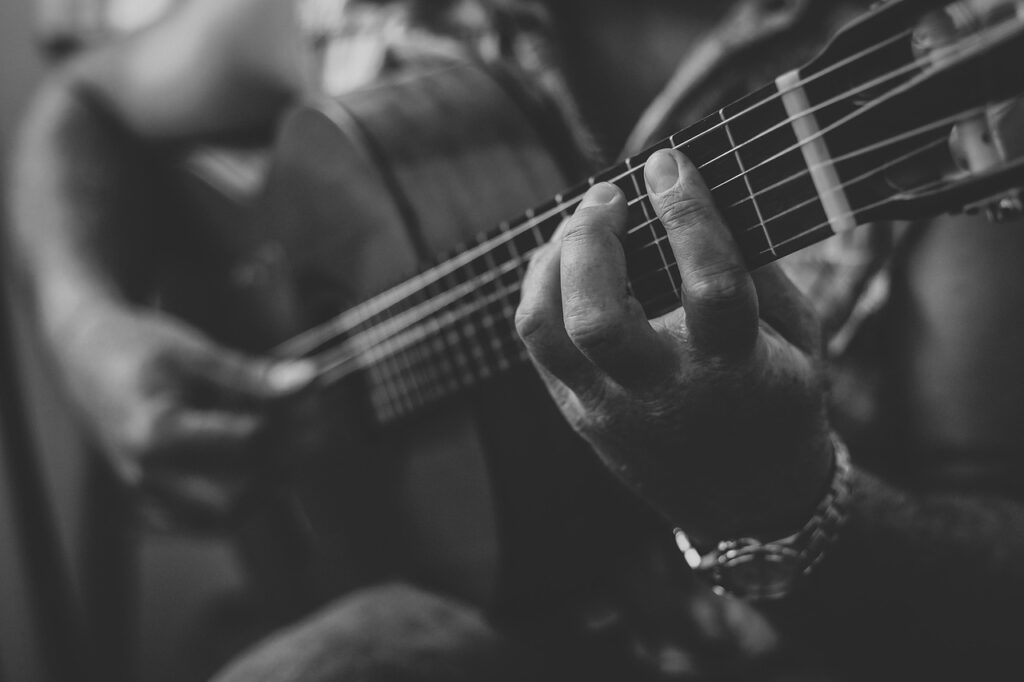
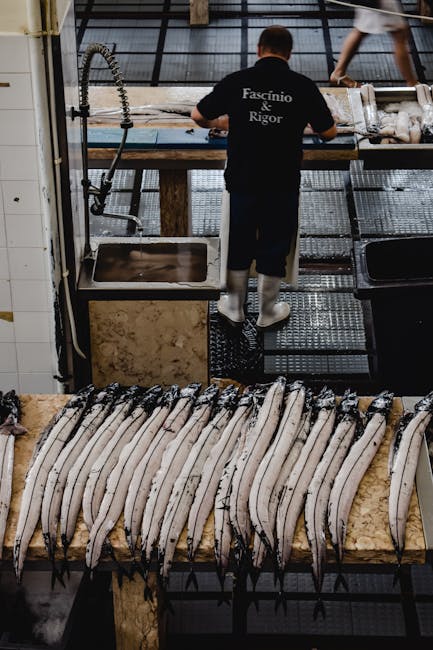
Coimbra Fado differs from Lisbon’s fado: traditionally it’s sung by men (académicos) wearing cloaks, often accompanied by a guitarra portuguesa and a viola. Performances typically take place in small rooms, academic halls, or specialized bars. For an authentic experience, a local guide can book a private evening or point you to reputable venues — for instance, Casa de Fado Coimbra (indicative address: Rua da Sofia, near the university) or academic associations that organize concerts. Private shows can cost €10–25 per person, while club nights may require a minimum spend of €5–15.
Beyond fado, student traditions are everywhere: the black academic cloak, initiation rites, and the songs that mark university life. Events like Queima das Fitas (the student festival, usually in May) and the Latada parade are major highlights. A local guide will explain the origin of these customs, the meaning of the colored ribbons that indicate faculties, and how to attend respectfully. Queima das Fitas takes place over several days in May, with evening concerts and daytime parades; for exact concert and procession times consult the University of Coimbra’s official calendar or the Câmara Municipal de Coimbra pages.
A local guide acts as an interface: they’ll help you observe codes (for example, not disrupting a fado performance), interpret lyrics, and unpack historical references found in songs and academic symbols.
4) Food and terroir: guided tastings, restaurants and local specialties
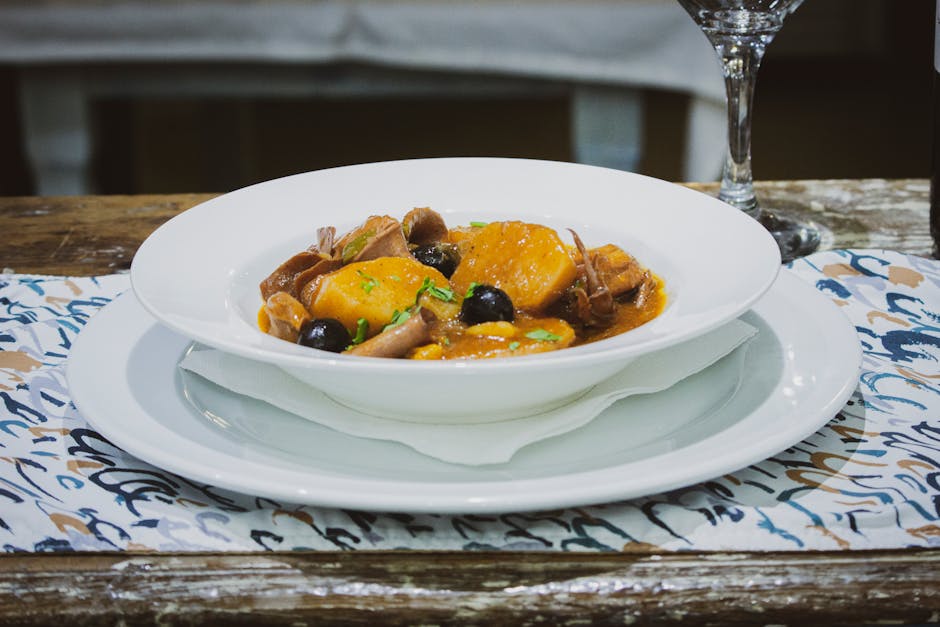
Coimbra’s cuisine blends rural influences with refined traditions. A local guide knows where to try chanfana (lamb stew in wine), arroz de cabidela (rice cooked with chicken blood), and cheeses like queijo Serra da Estrela. Recommended spots often suggested by local guides include Loggia (Terraço do Paço das Escolas) — located at Paço das Escolas, Largo da Porta Férrea, 3000-295 Coimbra — a place prized for its city views; usual hours: 12:00–15:00 and 19:00–23:00. Typical main dish price: €12–25.
For more traditional cooking, guides often recommend places like A Cozinha da Maria (indicative address: Rua Direita, historic center) or Taberna do Ti Lopes (Santa Cruz neighborhood). These spots serve regional dishes at roughly €10–20 per main course. A local guide will help you select regional wines (Dão, Bairrada) and explain food-and-wine pairings.
For food lovers, a guided visit to Mercado Municipal D. Pedro V (Rua da Sereia, 3000-106 Coimbra) provides meetings with producers, tips on identifying good olive oil or artisanal preserves, and on-the-spot tastings. Tasting prices can be negotiated directly with vendors; budget €5–15 for several samples. Local guides can arrange cooking workshops (prices varying €40–90 per person depending on duration and menu), where you learn to prepare Coimbrãense specialties.
5) Logistics and personalization: save time, improve accessibility and go off the beaten path
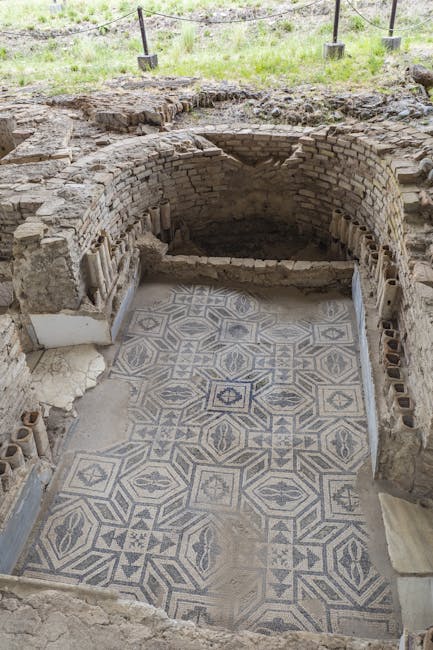
A local guide will optimize your time in Coimbra: they know site peak times, opening windows of tourist offices, and the best transport solutions. For example, getting to Conímbriga (the nearby Roman archaeological site) takes about 20–30 minutes by car from Coimbra. Site address: Conímbriga, 3150-301 Condeixa-a-Nova. Typical hours: 09:00–18:00 (seasonal). Approximate fee: €4–6 for adults. A local guide can arrange transfers, lead a commented tour of the site, and explain the mosaics and everyday Roman life.
Guides can also adapt the route for accessibility: travelling with children, people with reduced mobility, or photographers, they’ll choose suitable paths, avoid steep staircases, and recommend public lifts or parking close to sites. They also ease communication (contacting restaurants that accept special diets, making reservations, buying tickets online) and provide support in case of mishaps (lost items, basic medical advice, useful numbers: 112 for emergencies).
Finally, a local guide often secures experiences off the tourist trail: private cellars, artists’ studios, visits to closed neighborhoods, or meetings with local historians. Those personal moments turn a standard tour into a memorable, intimate experience.
Conclusion — Investing in a local guide for a richer cultural experience in Coimbra
Hiring a local guide in Coimbra is an investment in the quality of your stay. A guide doesn’t just point out places: they tell stories, explain, interpret, and connect. They offer privileged access to emblematic spots — Biblioteca Joanina at Paço das Escolas (Largo da Porta Férrea, 3000-295 Coimbra) with its controlled visits, the Museu Nacional de Machado de Castro (Largo Dr. José Rodrigues, 3000-300 Coimbra) and its crypts, or the Mercado Municipal D. Pedro V (Rua da Sereia, 3000-106 Coimbra) for culinary discoveries. Local guides also know the best moments to catch a Coimbra Fado concert or witness a student procession, and can organize private experiences or cooking workshops that go beyond the ordinary.
Beyond places and hours (indicative hours provided here: Paço das Escolas 09:00–18:00, Biblioteca Joanina guided slots morning/afternoon, Museu Nacional de Machado de Castro 09:00–18:00 closed Mondays), the true value of a guide lies in perspective: university rituals, architectural symbols, anecdotes about families that shaped the city, or the urban evolution connected to the Mondego River. Practical tips from a guide — best cafés for a break, restaurants where you can try chanfana for €12–25, morning markets — save time and prevent frustration.
To book: choose licensed guides, read recent reviews, ask for a tailored program, and confirm what’s included (transport, entrance fees, tastings). Guide rates vary by duration and level of personalization: about €60–120 for a half-day private tour, and €120–220 for a full day (indicative rates, to be confirmed with the provider). And think sustainability: a local guide benefits directly from your visit and supports a more responsible tourism economy by directing you to artisans, producers, and small local businesses.
In short, in Coimbra the best way to learn the city is through the voice of someone who lives it every day. You’ll leave with not only photos and souvenirs, but also oral stories, exclusive recommendations, and a real sense of understanding. For a deep, respectful cultural immersion, hiring a local guide often turns a trip into a genuine encounter.