





Introduction — Coimbra off-season: why and how to listen to the locals
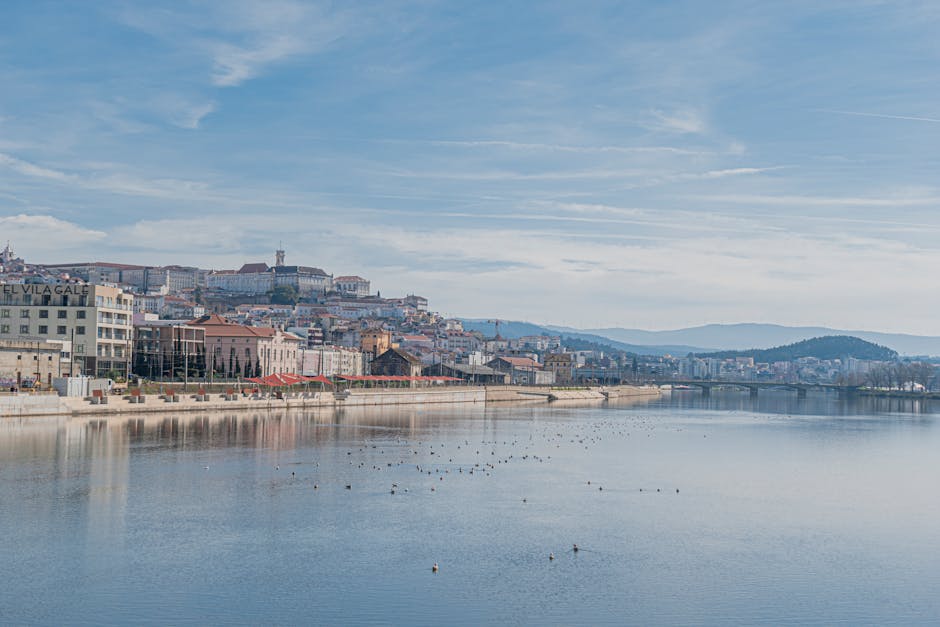
Coimbra, a former capital of Portugal and home to one of Europe’s oldest universities, is lively year-round. Still, its medium size and steep, winding streets make it especially rewarding to visit off-season. Away from summer crowds and tour buses, November through March reveals a more authentic city: cafés where locals chat at leisure, nearly empty historic bookstores, markets where people still haggle for the best regional produce, and peaceful riverside paths for quietly watching the Mondego River. In this guide I’ve gathered tips from Coimbrenses — local guides, café owners, students and artisans — on how to enjoy Coimbra when the city breathes easier without mass tourism.
There are concrete benefits to visiting off-season: shorter queues at museums, easier reservations at popular restaurants, a more intimate atmosphere in historic neighborhoods like the Almedina and the University, and often lower accommodation prices. But you’ll need to adapt: some sites reduce opening hours, a few restaurants close certain days, and the weather can be more unpredictable (rain and gray skies). The locals, with their typical Portuguese practicality, share straightforward advice to help you plan your days, optimize travel, and have authentic encounters.
This detailed guide covers routes to favor, indicative opening hours and prices for major sites, exact café and restaurant recommendations where residents meet, markets and craft shops, and nature walks to complement cultural visits. You’ll also find suggestions to avoid peak times, local transport tips (bus, train, taxi), and lesser-known alternatives that are just as rich in history and atmosphere — places where student fado is still heard or where you can buy a hot traditional loaf. All places mentioned include exact addresses, hours and prices in euros so you can plan your days with confidence.
Finally, the guide favors slow, respectful travel: take time to learn a few Portuguese words, accept local rhythms and support neighborhood businesses. Visiting Coimbra off-season isn’t just about timing: it’s a travel philosophy where the space created by fewer tourists becomes an opportunity for genuine connection with the city and its people. Be ready to walk, taste, listen — and to return with lasting impressions of a truer, calmer, deeply human Coimbra.
1) Explore the historic center early: routes and times to beat the crowds
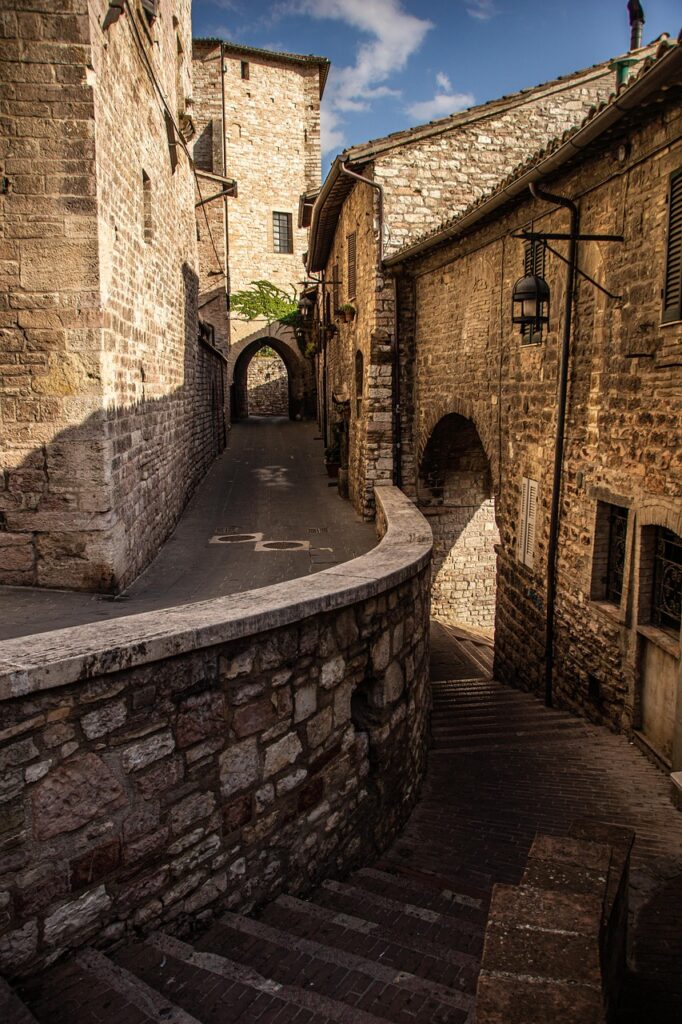
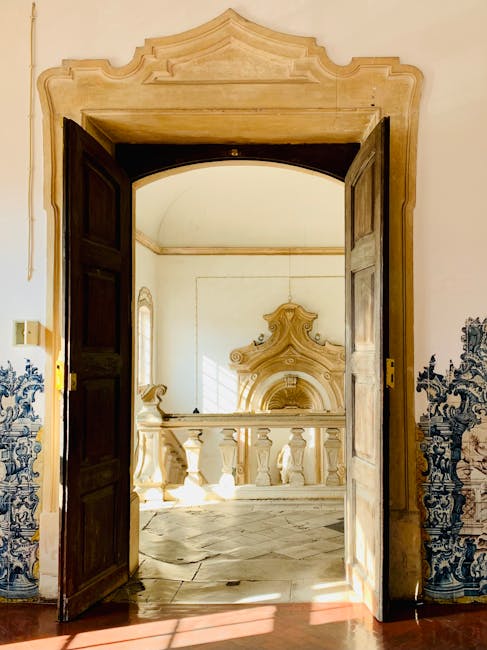
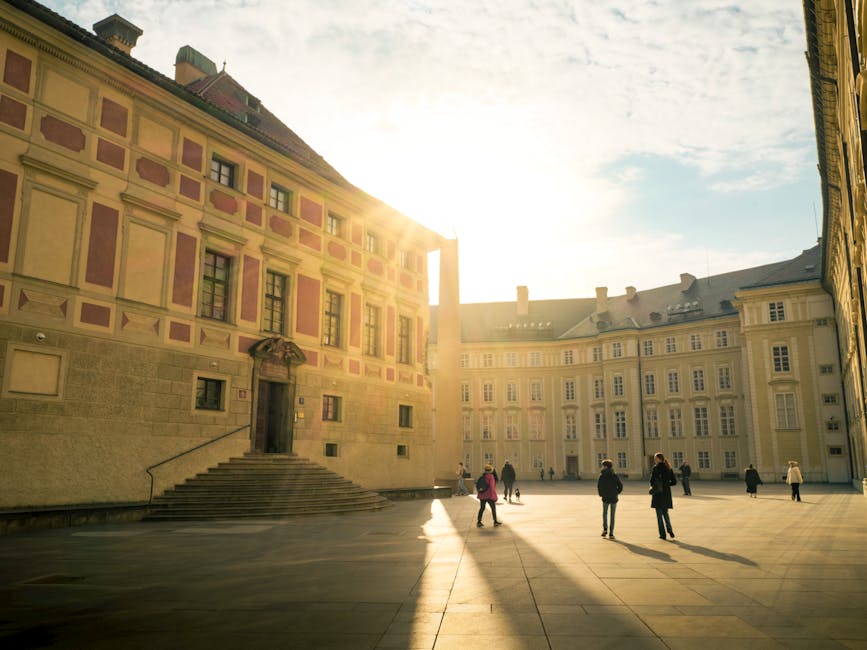
Start your days early: locals suggest heading out from 08:00 to enjoy the narrow streets before they fill up. Coimbra’s historic core includes the Universidade de Coimbra, the Almedina, the Sé Velha (Old Cathedral) and small lively squares. The climb up to the Paço das Escolas has a morning ritual feel — and it’s ideal for photos without people. The main access to the university complex is through the Porta Férrea at Largo da Porta Férrea, 3000-143 Coimbra, which is also the closest entrance to the Biblioteca Joanina.
Biblioteca Joanina — Biblioteca Joanina da Universidade de Coimbra, Paço das Escolas, Largo da Porta Férrea, 3000-143 Coimbra. Indicative hours: 10:00–13:00 / 14:00–18:00 (closed some days; check locally). Typical price: €12 for the combined entry with the University Tower (discounts for students and seniors). Important: visits are often guided and limited in number; book online or arrive right at opening. Locals recommend the first morning slot to avoid crowds and camera flashes that can damage old fabrics.
The Sé Velha de Coimbra (Old Cathedral of Coimbra), Praça Dom Dinis, 3000-384 Coimbra. Indicative hours: 09:30–12:30 / 14:00–17:30. Entry: €3–5. Built in the 12th century, this Romanesque cathedral is a stone refuge; its cloister and thick walls create acoustics suited to a solemn appreciation of urban silence. Locals often retreat here in the morning before heading for coffee.
Suggested off-season route:
- 08:00 — Start at Praça do Comércio (Praça do Comércio, 3000-300 Coimbra) and stroll through the alleys toward the ascent to the University.
- 08:30 — Coffee break at Pastelaria Briosa (Rua da Sofia 160, 3000-415 Coimbra): usually open from 07:30, known for local pastries (coffee + pastry ≈ €3.50–5.00).
- 09:30 — Visit the Sé Velha and walk the University gardens before the official monument openings.
- 10:30 — Guided tour of the Biblioteca Joanina (by reservation).
Local tips: avoid climbing via the most tourist-packed stairs (Escadas da Quebra-Costas) between 11:00 and 15:00; take the parallel smaller streets where artisans open their workshops. Remember the climb can be demanding — wear comfortable shoes and pack a rain jacket in winter.
2) Markets, flavors and hidden cafés: exact addresses and prices to savor Coimbra
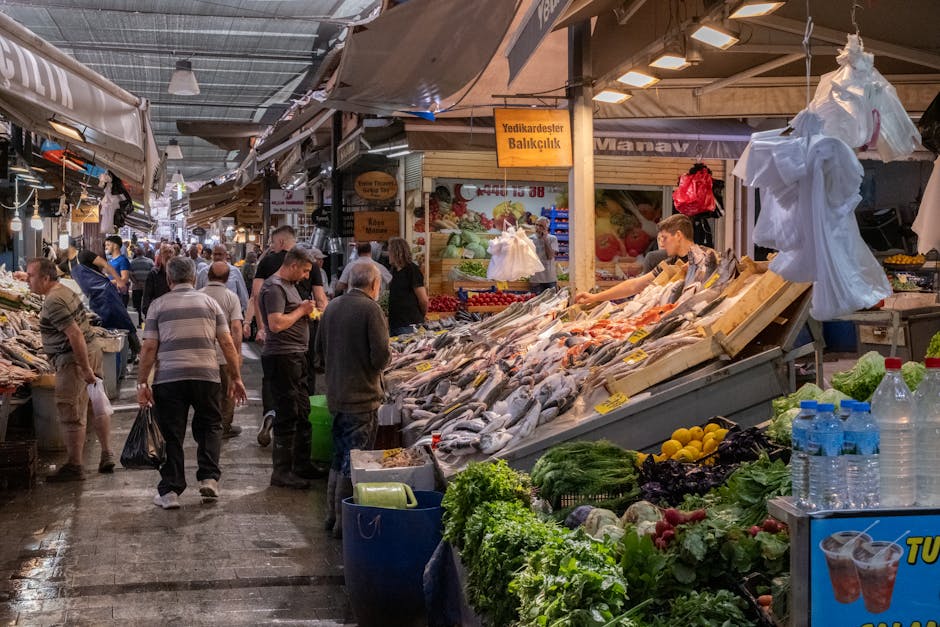
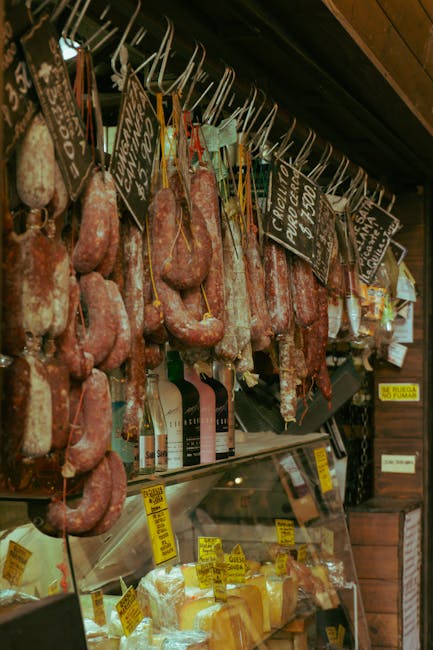
Coimbra’s food scene and cafés are central to an off-season visit: they’re gathering places and sources of warmth when the weather is cool. The Mercado Municipal D. Pedro V is a great starting point to understand local seasonality. Address: Avenida Fernão de Magalhães, Mercado Municipal D. Pedro V, 3000-172 Coimbra. Indicative hours: 07:00–13:00 (some stalls open in the afternoon on Fridays and Saturdays). You’ll find regional cheeses, cured meats, fresh fish and local vegetables. Price: a cheese/charcuterie board for two ≈ €8–15 depending on selection. Locals buy fresh bread here in the morning and chat before going to work.
For a café that has long served students and professors, head to Café Santa Cruz, at Praça 8 de Maio, 3000-300 Coimbra, housed in the old convent just steps from the Sé Velha. Hours: 09:00–22:00. Typical dish: Francesinha (local version) or a simple tosta mista; mains ≈ €8–12. The richly decorated interior offers an authentic atmosphere when the dining room isn’t full.
Off-the-beaten-path tasty spots:
- Pastelaria Pérola do Rossio, Praça do Comércio 33, 3000-120 Coimbra — Hours: 07:30–20:00 — Prices: pastries and coffees €1.50–4.00.
- Taberna do Félix, Rua do Norte 14, 3000-017 Coimbra — Hours: 12:00–23:00 (closed Monday) — Food: assorted petiscos, Portuguese tapas ≈ €3–8 per dish.
- Mercearia Confiança, Rua Ferreira Borges 66, 3000-156 Coimbra — Fine grocery for olive oil, chorizo and biscuits — prices vary (olive oil 500 ml ≈ €6–12).
Locals recommend lunching after 13:30 and avoiding 12:30–13:30, the busiest local hour, especially near the University. Off-season, some restaurants offer reduced prix-fixe midday menus (prato do dia): €8–10 for starter + main + coffee, often available until 15:00. A great way to combine local quality and savings.
For a memorable sweet treat, don’t miss Fábrica da Nata (Rua Ferreira Borges 22, 3000-156 Coimbra), where a pastel de nata with an espresso costs about €2.00–3.50. Locals often grab one after class or work.
3) Alternative museums and monuments: hours, prices and strategies to avoid queues
Coimbra hosts several museums that offer quieter, richer experiences off-season. Beyond the Biblioteca Joanina, consider the Mosteiro de Santa Clara-a-Velha, at Largo de Santa Clara, 3040-300 Coimbra. Indicative hours: 10:00–18:00 (closed some days off-season). Admission: €4–6. This Gothic monastery by the Mondego tells the story of floods and restorations; the visit is especially atmospheric in rainy weather when the cloister feels more dramatic.
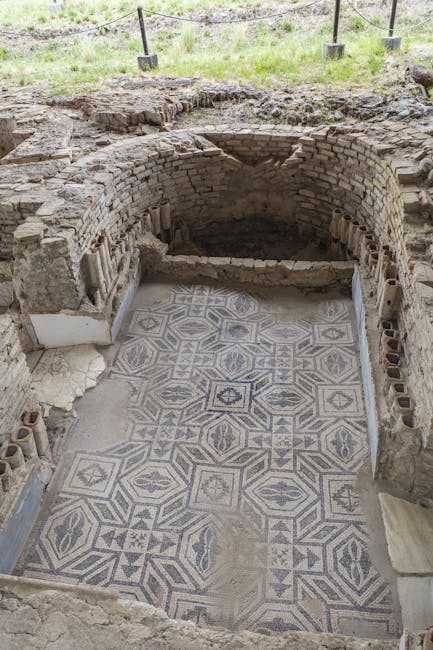
For archaeology fans, Conímbriga is a short drive or bus ride away: Ruínas Romanas de Conímbriga, Rua dos Fósseis, 3040-190 Condeixa-a-Nova (about 16 km south of Coimbra). Indicative hours: 09:00–18:00 (shorter winter hours). Combined museum + site ticket ≈ €6–8. The large mosaic in the House of Cantaber and the museum space are less crowded off-season, giving an intimate encounter with the ancient remains.
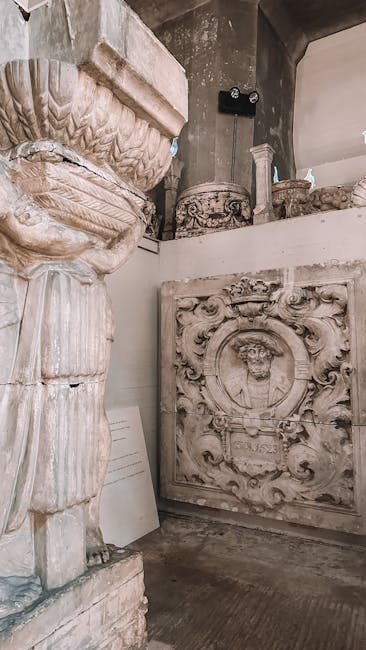
In the city, the Machado de Castro National Museum (Museu Nacional de Machado de Castro), Largo Dr. José Rodrigues 3, 3000-358 Coimbra, is a must-see. Typical hours: 10:00–17:30. Entry: €5–8. The former bishop’s palace, with its underground sanctuary and collections of sculptures and religious art, offers audio tours; off-season it’s often easier to arrange a private guide on request.
Strategies to avoid queues:
- Book online where possible (Biblioteca Joanina, Machado de Castro, Conímbriga) to secure a specific timeslot.
- Visit museums on weekdays in the mid-afternoon (14:30–16:30): a preferred time for locals to stroll after lunch.
- Check for free-entry days and times (some museums offer free admission certain Sunday mornings or national holidays); these times draw both locals and visitors, so avoid them if you want quiet.
- Ask the local tourist offices (Tourist Office Coimbra, Praça do Comércio) about off-peak minutes and temporary exhibitions outside the main flows.
Practical tip: many museums offer reduced rates for students and seniors; bring an international student card (ISIC) or ID. In winter, layer up: some rooms and ruins can be cool and damp.
4) Riverside walks and nature trips: addresses, trails and seasonal suggestions
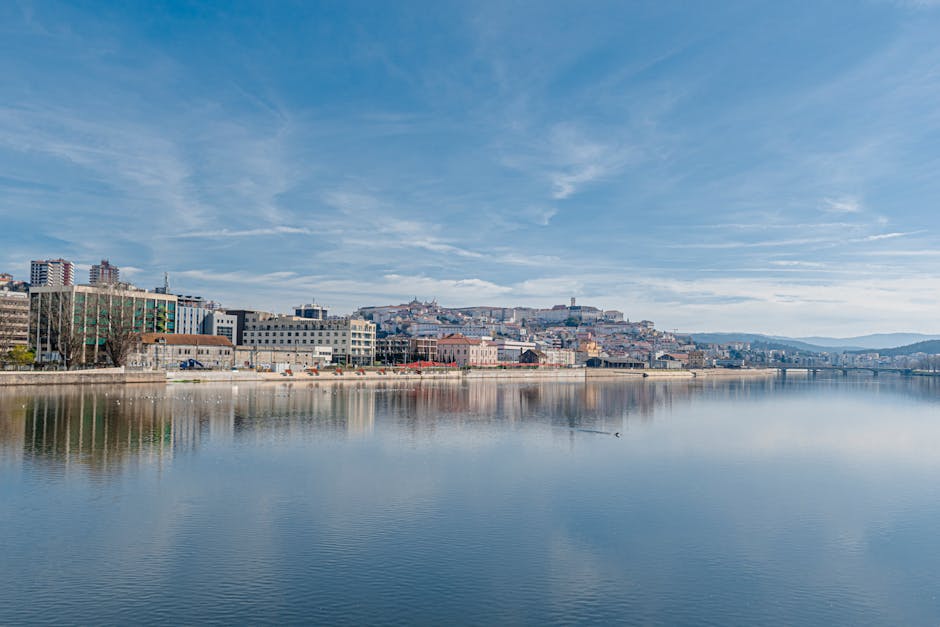
The Mondego River shapes Coimbra and offers walks locals treasure. For a morning riverside stroll off-season, start at the Ponte de Santa Clara (Avenida Emídio Navarro, 3000-164 Coimbra) and walk the south bank toward Parque de Santa Clara. Coimbrenses like to walk by the water to relax; winter landscapes — mist over the river, bare trees — create an almost meditative mood.
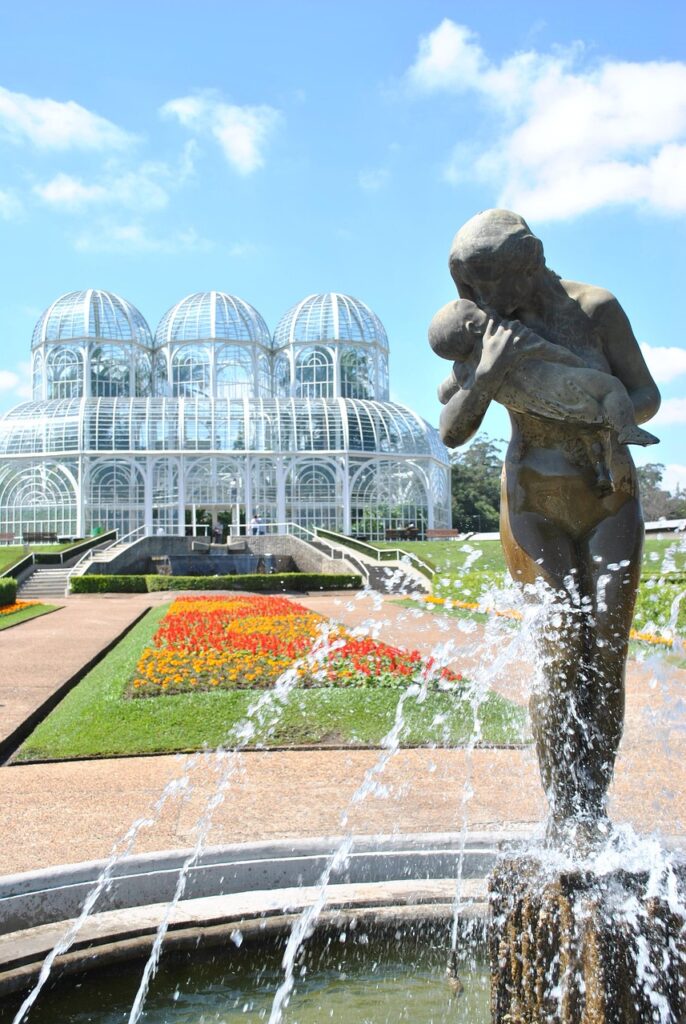
A good starting point for longer hikes is the Parque Verde do Mondego (Espaço Verde do Mondego, Avenida dos Combatentes da Grande Guerra, 3000-219 Coimbra). Access is free; enjoy cycling paths and benches along the river. For botany enthusiasts, the Jardim Botânico da Universidade de Coimbra (Rua do Jardim Botânico, 3000-456 Coimbra) is a peaceful refuge. Indicative hours: 09:00–17:00 (shorter winter hours). Entry: €2–4.
For a greener escape, the natural area of Serra do Bussaco (Mata Nacional do Buçaco, 3050-028 Luso, about 15–20 km from Coimbra) features ancient forests, gravel trails and the famous Palace Hotel do Buçaco (Estrada Nacional 234, 3050-028 Luso). Trails are open; the palace and gardens have variable hours (guided visits available, fees €6–12). Locals head to the Serra for half-day walks off-season — bring hiking shoes and water.
Practical tips for off-season walks:
- Check the weather the day before: riverside trails can get muddy after rain. Pack a waterproof jacket and non-slip footwear.
- Bring a thermos with hot tea/coffee and snacks bought at the Mercado Municipal for an improvised riverside picnic.
- To reach Serra do Bussaco, use the Rodoviária do Mondego bus company or rent a car by the hour — off-season the drive is quicker and parking is easier.
- Stick to marked paths and protected areas; local flora and fauna are fragile, especially during breeding seasons.
Evening riverside walks, lit by street lamps and dotted with a few open cafés, feel romantic and stripped of tourist excess. Locals like to say that Coimbra « breathes » better off-season: listen to the Mondego lap at the banks and let the city tell you its stories along the water.
5) Intimate nightlife, student fado and small concerts: venues, times and prices
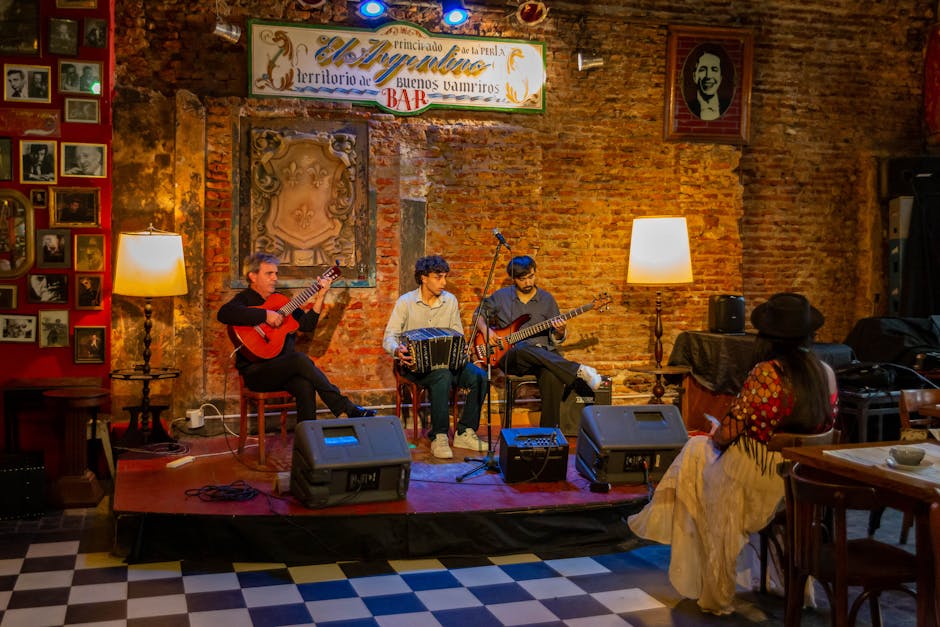
Nightlife in Coimbra off-season is quieter but deeply rooted in student tradition. Locals go to spots where you can hear Coimbra fado — a version sung by men in academic robes — often performed by students or local groups. For an intimate fado night, head to Fado ao Centro or tiny venues in the old city that host regular shows.
Recommended venues:
- Fado ao Centro / Casa do Fado, Rua Cândido dos Reis 28, 3000-081 Coimbra — Show nights typically 20:30–22:30; tickets: €10–20 depending on the artist and package (sometimes drink included).
- Clube Académico de Coimbra, Praça do Comércio 7, 3000-300 Coimbra — student events, concerts and serões; hours vary by event; entry often free or symbolic (€2–5) for student concerts.
- Armazém do Chef, Rua do Arco 9, 3000-361 Coimbra — small bar-restaurant with live music some nights; blankets and hot drinks are available in winter; free entry, consumptions ≈ €3–8.
Hours and prices: most events start between 20:30 and 22:00. Off-season, programming is concentrated on Fridays and Saturdays. Locals advise booking a table for fado nights — space is limited and the atmosphere depends on the closeness of audience and performers. Expect to pay €10–20 for a 60–90 minute performance, sometimes with a drink included.
Local experience: Coimbra fado is often sung by men in the academic cape, with lyrics about love, student saudade and academic life. Off-season, the proximity between artists and spectators makes performances more immersive. Locals recommend arriving early, ordering a warm drink (grog or vinho quente in winter) and staying after the show to chat with musicians — it’s often the best way to hear stories about the city and the University.
Safety and courtesy tips:
- Respect the silence requested during performances and avoid using flash photography.
- If you want to record, ask permission; many local artists accept a discreet photo after the show.
- Carry some cash: small venues often prefer cash payments for drinks and tickets.
Conclusion — Meet a truer Coimbra, recommended by its people
Discovering Coimbra off-season means embracing a different way of traveling: slower, more reflective, focused on exchange with those who live the city every day. Whether students, shopkeepers or guides, Coimbrenses share one piece of advice: favor quiet hours (early mornings and afternoons), book ahead for the most in-demand spots (Biblioteca Joanina, certain fado shows) and allow yourself to be surprised — a pastry offered, a market conversation, a musician who tells you an old song.
This guide has given you exact addresses (Pastelaria Briosa — Rua da Sofia 160, Mercado Municipal D. Pedro V — Avenida Fernão de Magalhães, Biblioteca Joanina — Paço das Escolas, Largo da Porta Férrea), indicative hours and prices to plan your days, as well as practical strategies to avoid crowds: start early, avoid lunchtime in the city center, use mid-afternoon hours for museums and prioritize walks along the Mondego. Off-season, every place — from the cloister of Santa Clara-a-Velha to the mosaics of Conímbriga — can reveal itself in its quietest, most profound dimension.
Lastly, the key to a successful stay in Coimbra is adaptability: bring weather-appropriate clothes, be patient if some shops close an extra day in winter, and above all, take time to talk to people. Coimbrenses love to share their city and appreciate visitors who try to understand and respect local customs. Following these tips will turn a simple trip into a string of authentic moments: a nearly empty terrace on a November morning, the scent of a still-warm loaf, a fado song whispered in an intimate room. Coimbra off-season promises authenticity — and for those who listen, it offers deep, personal memories far from tourist bustle.