




Getting Around Coimbra: Practical Local Tips from Residents
Introduction
Coimbra is a Portuguese city where centuries of university life and lively student energy meet the gentle flow of the Mondego river. Getting around Coimbra as a visitor means knowing a few local quirks: a hilly historic centre, two separate train stations, an active municipal bus network and some steep pedestrian streets. This article gathers practical tips from locals — from the most efficient routes to money- and time-saving tricks, plus safety pointers and concrete info on opening hours, prices and addresses.
We’ll cover how to use regional and national trains via the two stations (Coimbra-A and Coimbra-B), how to get around town with the SMTUC buses (Serviço Municipal de Transportes Urbanos de Coimbra), when to take a taxi or a rideshare like Uber, where to rent a bike or an e-scooter, and how to plan walking routes between the main sights — notably the Universidade de Coimbra (Pátio das Escolas), the Biblioteca Joanina and the old Baixa district. Each section offers practical details: exact addresses, current fares in euros, usual opening times and local advice for avoiding tourist pitfalls.
Speaking as a local, I’ll also share tips on crossing the city while avoiding long climbs in hot weather, how to optimize rail connections to Lisbon and Porto, and which services stay open late for evening arrivals. This guide favours realistic, tried-and-true routes: for example, arriving at Coimbra-B for Intercidades trains from Lisbon and Porto, then taking a bus or taxi up to the old town, or getting off at Coimbra-A if you’re staying near the historic centre.
Expect practical address lists (stations, bus terminals, tourist offices, bike rentals), price ranges for tickets and taxis, and typical schedules. Locals also have intangible tips: dodge very steep streets in full sun, take advantage of a kind of improvised funicular (the moving stairways near Rua Ferreira Borges) and plan visits early in the morning to avoid the crowds at the Universidade de Coimbra. This guide will help you make getting around part of your Coimbra experience, giving you the keys to move like a local.

1) Finding Your Way Between the Stations: Coimbra-A and Coimbra-B
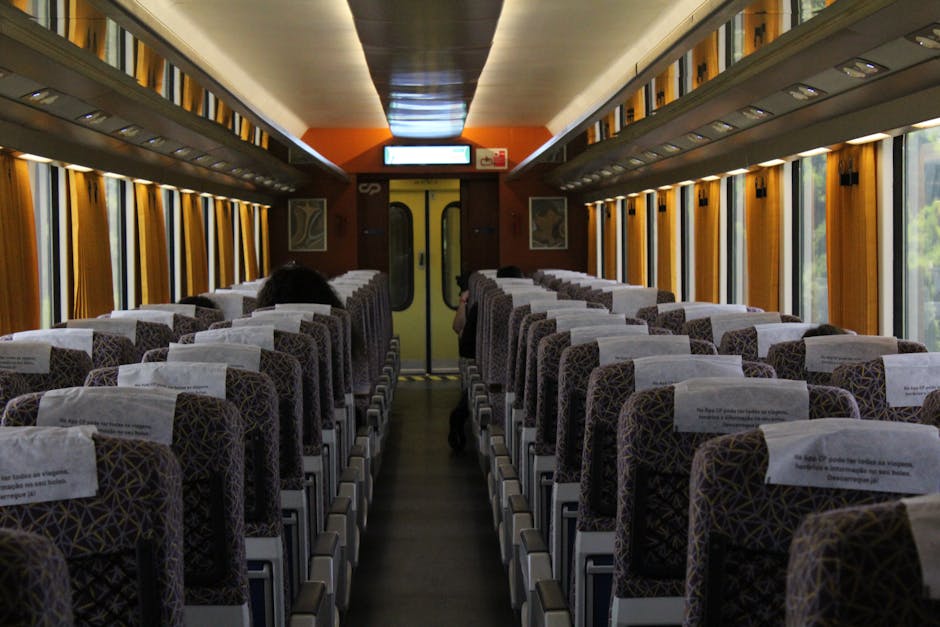
Coimbra has two main train stations that serve different purposes, and knowing which one to use can change your whole trip plan. The station used most for fast national links is Estação de Coimbra-B. It’s located on the south-east outskirts and handles most Intercidades and Alfa Pendular trains to and from Lisbon and Porto. Indicative address: Estação de Coimbra-B, Avenida Fernão de Magalhães, 3000-190 Coimbra. Timetables vary by service: for example, an Intercidades Lisbon–Coimbra-B train typically departs every 1–2 hours, with journeys taking roughly 1h30–2h. Approximate fares: Intercidades tickets between Lisbon and Coimbra-B cost between €12 and €25 depending on class and season; Alfa Pendular, faster, is around €20–€35.

The central station is Estação de Coimbra-A (often called Coimbra-Cidade or Coimbra-A), situated closer to the historic centre. Address: Estação de Coimbra-A, Praça 8 de Maio, 3000-308 Coimbra. This station mainly serves regional and local trains. If your hotel is in the Baixa (historic centre) or near the University of Coimbra, getting off at Coimbra-A will put you within easy walking distance. Regional trains (Linha da Beira Alta / regional) are cheaper: expect €1.50–€5 depending on distance travelled.
Local tips:
- Late arrivals: if your train comes in late at night, it’s often easier to get off at Coimbra-B, where taxis are more plentiful. A taxi from Coimbra-B to Praça do Comércio (centre) costs roughly €8–€12 depending on time of day and luggage (base fare around €3.50 + ~€0.60/km by day).
- Changing between stations: SMTUC city buses link Coimbra-B and Coimbra-A in about 20–30 minutes (urban ticket price: around €1.55 in 2026). Alternatively, a taxi between the two stations costs about €6–€10.
- Tickets: buy long-distance tickets online via CP – Comboios de Portugal (cp.pt) for discounted fares; keep a printed or smartphone version of your ticket.
2) The Bus Network: SMTUC and Intercity Coaches
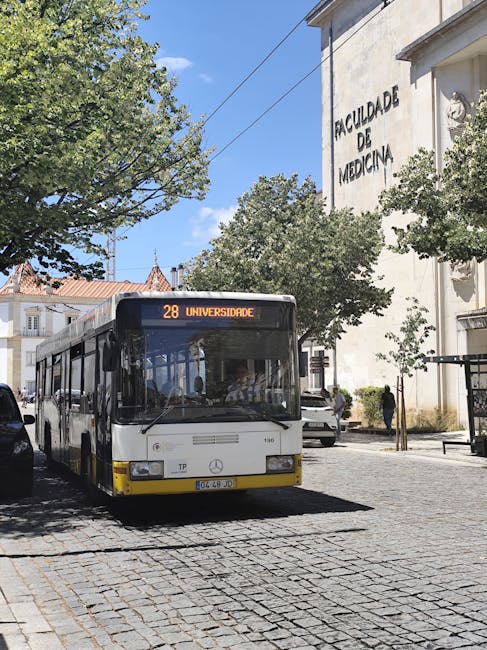
The municipal service SMTUC (Serviço Municipal de Transportes Urbanos de Coimbra) covers much of the city and its suburbs. Main hub: Terminal de Autocarros da Praça 8 de Maio (around the Baixa), address: Praça 8 de Maio, 3000-304 Coimbra — this is the heart of the urban lines. A single ticket costs about €1.55 (validate with the driver or at ticket machines at major stops). Day passes are available: a 24h SMTUC pass is roughly €5.00 (indicative), very handy for tourists planning multiple trips in one day.

For intercity travel, Rodoviária de Coimbra (and Rede Expressos for some routes) serves nearby destinations like Aveiro, Figueira da Foz or Lisbon from the Terminal Rodoviário de Coimbra. Address: Terminal Rodoviário de Coimbra, Avenida Emídio Navarro, 3000-310 Coimbra. Prices: Lisbon by express coach €10–€18 depending on schedule; Aveiro €5–€10; Figueira da Foz €6–€12.
Schedules and frequency:
- SMTUC: main lines run roughly from ~06:00 to ~23:00 on weekdays; reduced hours on Sundays and public holidays. Some special night lines operate during university events.
- Rodoviária / Rede Expressos: long-distance coaches run from early morning (departures from ~05:30) until late evening (22:00–23:00) depending on the destination.
Practical tips:
- Validate your ticket: always validate your ticket on board; checks are common and fines can be steep (€30+).
- Mobile app: download the SMTUC app or check routes on Google Maps so you’re not left waiting at a stop wondering if the bus will come.
- Luggage: on intercity coaches, put bags in the hold if possible; boarding city buses with large suitcases can be tricky because of steps and limited space.
3) Taxis, Rideshares and Active Transport: Bikes, Scooters and Walking
Taxis: Taxis in Coimbra are easy to hail from the street or book by phone. Main taxi rank: Praça do Comércio, 3000-301 Coimbra. Indicative fares: pick-up ~€3.50 (day rate), then ~€0.60–€0.80/km; night rates and luggage surcharges may add ~20–30%. For short trips (historic centre → Coimbra-B) expect €8–€12. Useful number: Radio Táxis Coimbra +351 239 855 000 (check for updates locally).

Rideshares: Uber and Bolt operate in Coimbra; prices are often similar to taxis and sometimes cheaper during off-peak hours. Pro tip: open the app and check the estimated fare before you book. Rideshares are handy for late-night trips when a fixed price avoids surprises.
Bikes and scooters: The flat riverside along the Mondego is ideal for active transport. Several rental shops offer city bikes, hybrid bikes and e-bikes: a practical example — Coimbra Bike Rental, Rua da Sofia 142, 3000-142 Coimbra (typical prices: half-day hybrid €10–12, full day €15–20, electric bike €25–35/day). In the centre, dockless e-scooters may be available via local apps; fares are roughly €1 to unlock + €0.15–0.25/minute.
Walking: Coimbra’s old town begs to be explored on foot: from Praça do Comércio to the Universidade de Coimbra expect a 15–25 minute walk but be prepared for steep climbs. Comfortable shoes are essential. Locals advise doing the steepest visits early in the morning or after 17:00 in summer to avoid the heat.

4) Resident-Recommended Routes and Practical Hacks
Here are some resident-tested routes designed to save time and energy:
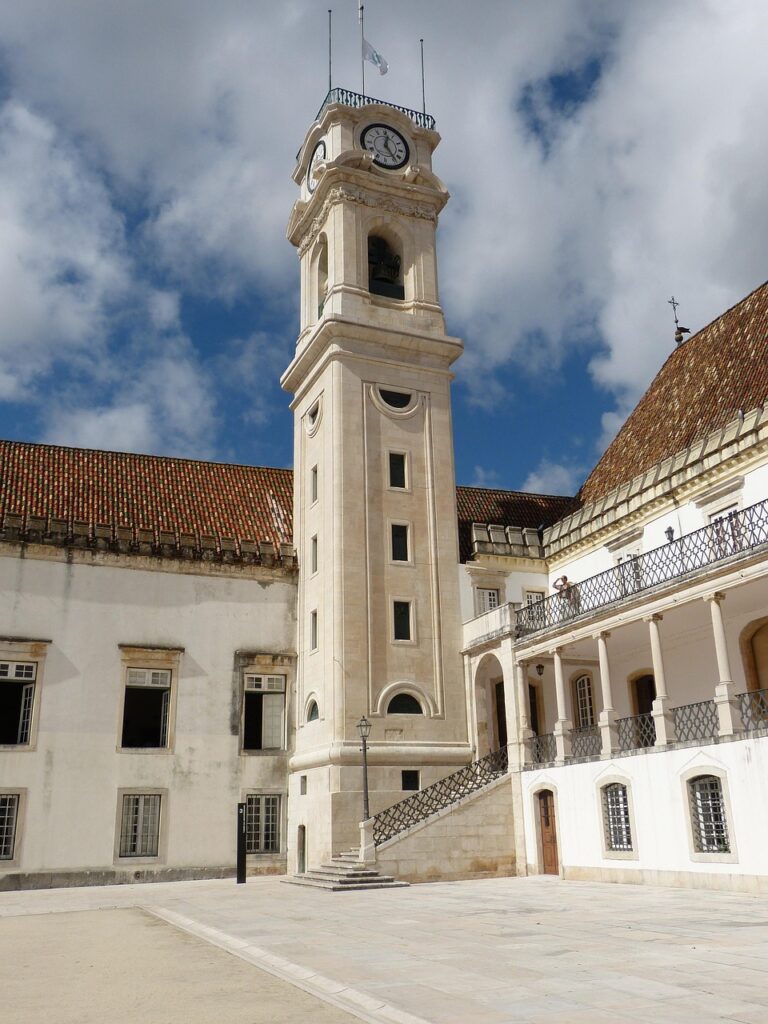
- From the historic centre (Baixa) to the Universidade de Coimbra: start at Praça do Comércio → Rua Ferreira Borges → the Rua do Carmo steps → Pátio das Escolas (Universidade de Coimbra). Walking time: 10–20 minutes depending on pace. Biblioteca Joanina (Paço das Escolas, Largo da Universidade, 3000-447 Coimbra) usually offers guided visits at around 10:00, 12:00, 14:00 and 16:00 (times may change); entrance fee ≈ €12 (tip: book ahead in high season).
- Coimbra-B to the historic centre: take a direct SMTUC urban bus (check the station display) or a taxi (€8–€12). A cheaper alternative: a short regional train one stop to Coimbra-A if schedules align.
- Day trip to Figueira da Foz: catch a Rodoviária / Rede Expressos coach from Terminal Rodoviário de Coimbra (Avenida Emídio Navarro); travel time ≈ 50–70 minutes; price ≈ €6–€12.
Local hacks:
- Best times to visit: arrive at the Universidade between 09:30 and 11:00 to enjoy a less crowded Pátio das Escolas; Biblioteca Joanina sometimes closes earlier in the afternoon.
- Avoid tolls: if you rent a car, be aware some motorways around Coimbra use electronic tolls; ask about a “toll card” option with your rental company.
- Cash on hand: some taxis and small shops only accept cash for small amounts; carry a few euros in coins and notes.
- Safety: Coimbra is generally safe, but watch out for pickpockets in crowded tourist spots and avoid displaying valuables overtly.

Conclusion
Getting around Coimbra is straightforward and enjoyable once you understand the local logic: two stations with distinct roles, a well-developed municipal bus network, taxis and rideshares for quick hops, and a city that’s wonderfully walkable and bikeable along the Mondego. Locals recommend planning routes with the historic centre’s hills in mind, buying or reserving long-distance train tickets and popular visits in advance (like Biblioteca Joanina at the Universidade de Coimbra), and opting for SMTUC day passes if you plan several bus trips. Key addresses to remember: Estação de Coimbra-B (Avenida Fernão de Magalhães, 3000-190 Coimbra) for major rail links, Estação de Coimbra-A (Praça 8 de Maio, 3000-308 Coimbra) for closer access to the centre, and Terminal Rodoviário de Coimbra (Avenida Emídio Navarro, 3000-310 Coimbra) for intercity coaches.
Budget-wise, plan realistic ranges: single SMTUC tickets ≈ €1.55, 24h pass ≈ €5.00, taxi pick-up ≈ €3.50 + €0.60/km, day bike rentals ≈ €15–35 depending on type, and train fares from €5 to €35 depending on distance and class. Always check updated schedules online (official CP – Comboios de Portugal, SMTUC Coimbra and Rede Expressos websites) before you travel, as frequencies can change due to university events or maintenance work.
Above all, slow down and enjoy Coimbra: stroll along the Mondego, use the bus for flatter, regular trips, and call a taxi or rideshare for late-night arrivals. With these resident tips, getting around will become part of the pleasure of discovering this historic, university-driven and vibrantly alive city.