





Introduction: Coimbra — academic heritage and leisurely wandering
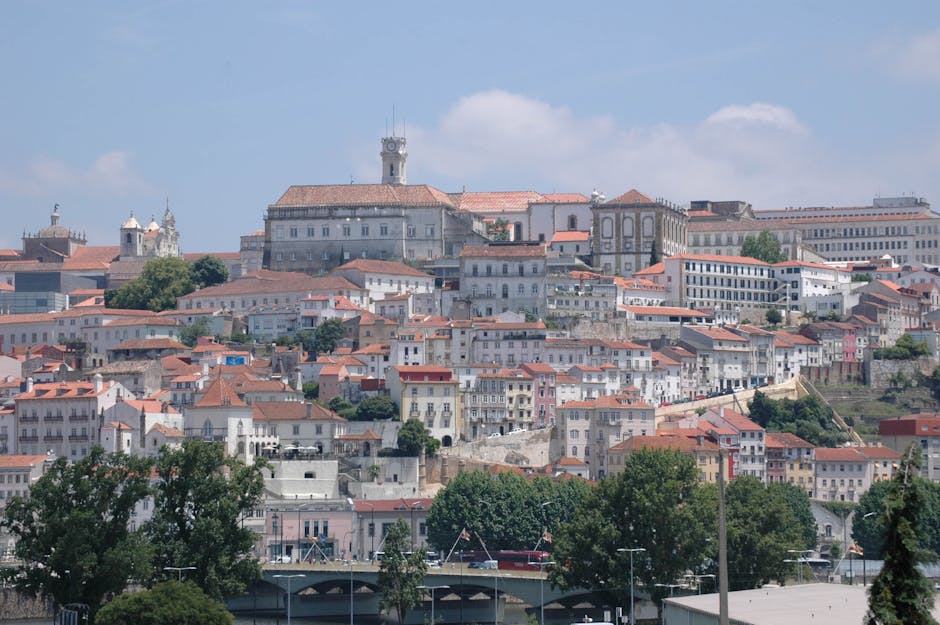
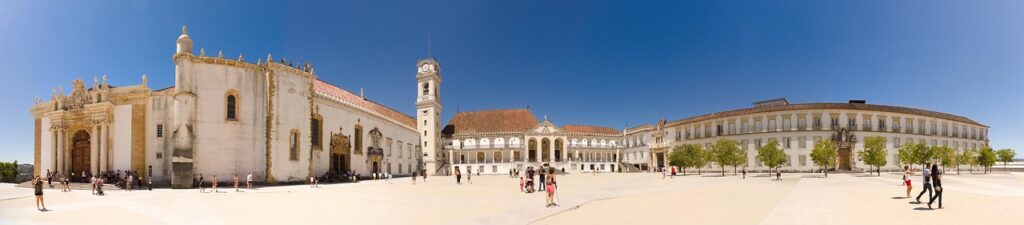
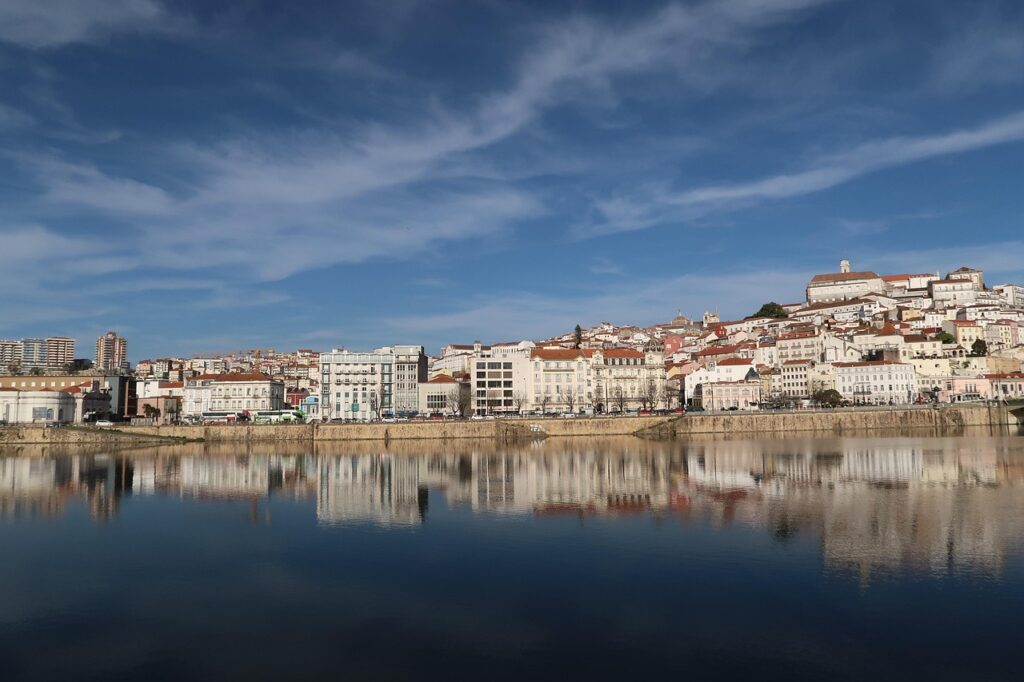
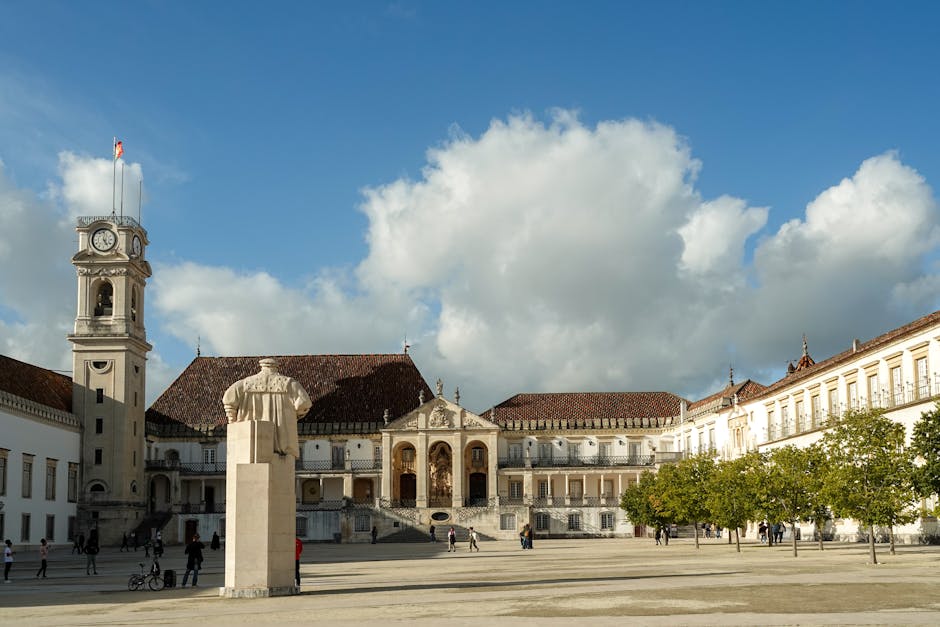
Coimbra is more than a city: it’s a sensory experience where memory, music and a layered urban geography invite both slow wandering and guided explanation. Sitting roughly halfway between Lisbon and Porto, Coimbra was once Portugal’s medieval capital and remains a lively university center — the Universidade de Coimbra (Paço das Escolas), the Biblioteca Joanina, narrow streets lined with azulejos, and the Mondego River carving the town’s profile. So it’s natural to ask: should you rely on a professional guide to unpack all the historical layers, or is solo exploration the better way to get lost and discover at your own pace?
This article aims to help you decide by offering a detailed breakdown and practical information: exact addresses, typical opening hours, prices in euros, immersive descriptions of places and local tips. You’ll find concrete elements to plan a guided tour — which monuments are covered, how much it costs, how to book — and routes and tricks for exploring on your own while making the most of your time and budget. Whether it’s your first cultural visit, a day stopover, or a longer stay, you’ll get the tools to judge whether a guide is essential or whether your own footsteps will do.
We’ll also touch on Coimbra’s fado tradition, the nearby Roman ruins of Conímbriga, historic gardens and houses (like Quinta das Lágrimas), and must-see museums such as the Museu Nacional de Machado de Castro. Each place includes a full address, approximate opening hours and entrance price in euros when relevant — information based on usual practice and recent public rates. Note that hours and prices can vary with season or special events; it’s wise to double-check before you go.
Why pick a guided tour in Coimbra? Benefits, typical content and price ranges
Guided tours in Coimbra offer clear advantages, especially if your time is limited or you want a richer historical framework. First, a professional guide connects the historical dots (Roman, medieval and academic eras) and highlights details a hurried visitor might miss: coat-of-arms symbolism, the architectural evolution of façades, and quirky student traditions and stories. Second, official guides can sometimes access areas that are usually closed or benefit from scheduled time slots (for example, guided visits to the Biblioteca Joanina at fixed times), which avoids long queues and makes better use of your time. Third, the human and auditory dimension — a recited verse of Coimbra fado, archival snippets, personal stories — makes the experience far more immersive.
Typical content and duration of a guided tour
- University and historic center tour (2–3 hours): visiting the Paço das Escolas (University of Coimbra), Biblioteca Joanina, courtyards and cloisters, followed by a stroll through the medieval streets and Praça do Comércio. Indicative price: €20–35 per person for a standard group (tours in English, Portuguese, Spanish), sometimes €10–15 for an audio-guided option.
- Full tour with museum (3–4 hours): includes the Museu Nacional de Machado de Castro (archaeological collection and city views). Indicative price: €35–55 per person.
- Themed tour (2 hours): Coimbra fado and student traditions: a presentation of the académicos, musical demonstrations and visits to historic bars. Price: €25–40 per person, sometimes including a tasting of local specialties.
- Combined Conímbriga + Coimbra excursion (half-day): guided transport to the Conímbriga archaeological site (Rua dos Ruínas s/n, 3150-270 Condeixa-a-Nova) and return to Coimbra. Price: €45–80 depending on whether transport is included.
Timings: most guided tours start between 9:00 and 11:00 or between 14:00 and 16:00. Evening tours or “fado nights” often begin after 20:00. Local agencies in the center (near Praça do Comércio / Praça 8 de Maio) post their slots during high season. Booking: strongly recommended in summer (June–September) and on long weekends.
Concrete examples of providers and meeting points:
- Universidade de Coimbra – Paço das Escolas, Praça do Comércio, 3000-143 Coimbra — official guides often gather at the main entrance of the Paço das Escolas. Combined tickets for the campus + Biblioteca Joanina are sold on-site and through the tourist office.
- Coimbra Walks / Bairro do Mondego Tours (local agencies) — frequent departures from Praça do Comércio, lasting 2–3 hours.
Exploring Coimbra solo: suggested routes, costs and creative freedom
Exploring Coimbra independently is particularly rewarding if you like setting your own pace, pausing for photos, enjoying a coffee or a pastel at a local spot, or popping into bookshops and artisan studios. One big advantage of solo wandering is the ability to zoom in on small details — a commemorative plaque, a hidden azulejo, or a narrow passage that opens onto a terrace overlooking the Mondego.
Recommended half-day route (3–4 hours)
- Start: Praça do Comércio / Praça 8 de Maio — the central square, great for getting your bearings.
- Universidade de Coimbra – Paço das Escolas, Praça do Comércio, 3000-143 Coimbra — even if entry to the Biblioteca Joanina requires a specific ticket, you can still explore the courtyard and cloister. Hours: generally 9:00–18:00 (varies by season). Price: combined Paço das Escolas + Biblioteca Joanina ticket around €12–16 (adult), with discounts for students and seniors.
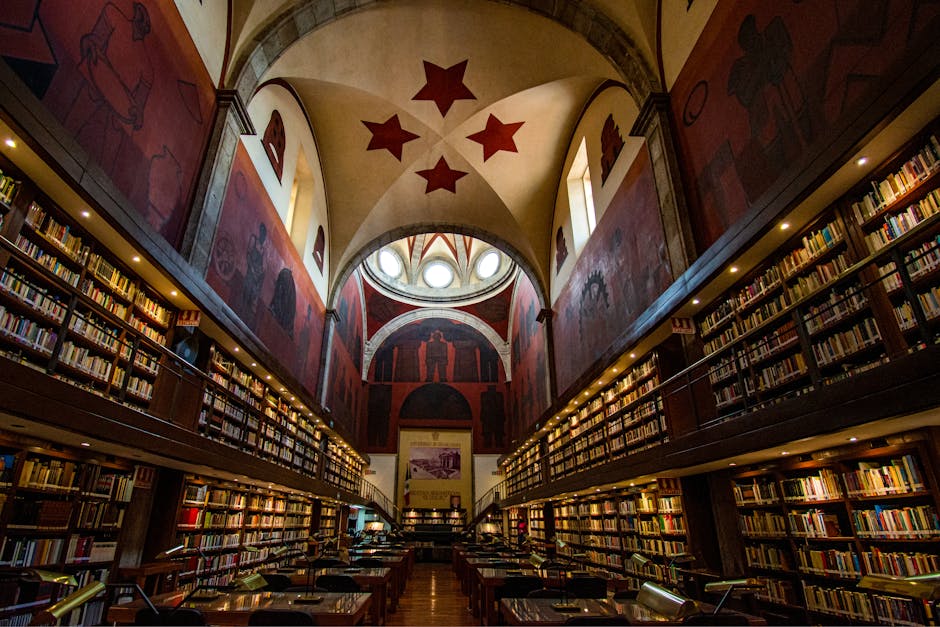
- Biblioteca Joanina (inside the Paço das Escolas) — a 20–30 minute slot during scheduled times; the baroque interior, woodwork and painted ceilings are highly photogenic but photography may be restricted. Tip: book online if possible.
- Walk down to the Mondego following the city’s steep escarpments — stop at the Jardim Botânico da Universidade de Coimbra, Rua de São Bento, 3000-456 Coimbra. Hours: 9:00–18:00, price: often €2–4.
- Sé Velha (Old Cathedral), Largo da Sé Velha, 3000-302 Coimbra — a sober, sturdy Romanesque building. Hours: 9:00–19:00 (may vary). Price: €2–3 (donations often accepted).
Full-day itinerary:
- Morning: Universidade de Coimbra / Biblioteca Joanina + Museu Nacional de Machado de Castro (Largo Dr. José Rodrigues 3000-142 Coimbra). Museum hours: generally 10:00–18:00 (closed Monday). Price: €6–8 for adults.
- Lunch: restaurants around Praça do Comércio; try Leitão à Bairrada or fresh fish dishes from the Mondego.
- Afternoon: Quinta das Lágrimas (Rua António Augusto Gonçalves 3000-XXX Coimbra — double-check the exact address locally), a romantic walk tied to the legend of Pedro and Inês, then visit the Mosteiro de Santa Clara-a-Velha (Rua do Mosteiro de Santa Clara, 3040-123 Coimbra) or Santa Clara-a-Nova depending on opening times. Price: €4–6 each.
Estimated costs for a solo visitor: counting entries (Biblioteca Joanina €12, Machado de Castro €7, gardens €3), meals and local transport, a reasonable day comes to about €40–70 excluding accommodation. Solo exploration gives you the flexibility to skip paid visits and tailor your day to your interests.
Practical comparison: cost, time, accessibility and experience
To decide between a guided tour and solo exploration, it helps to compare several criteria: budget, time, historical depth, accessibility and logistical comfort. Here’s a concise comparison with concrete examples.
- Budget:
- Guided tour of 2–3 hours: €20–35 per person (often more for a private group).
- Solo exploration (paid entries): approx. €12–25 for the main sites if you choose two or three paid attractions.
- Time available:
- If you only have a half-day (3–4 hours), a well-chosen guided tour maximizes historical coverage without time wasted looking for context.
- For a multi-day stay, solo exploration combined with a few specialized tours (fado, Conímbriga) allows a gradual immersion.
- Depth and access to content:
- Guides: structured historical narrative, anecdotes, and often quicker access to the Biblioteca Joanina and university monuments.
- Solo: freedom to dig into what interests you (museums, bookshops, cafés), but you may miss broader context unless you read up beforehand.
- Language:
- International guided tours often run in English, Spanish and Portuguese; some companies offer French on request. Expect a higher price for a private French-speaking guide (€45–90 for 2–3 hours).
- Solo: information is available in English/Portuguese; podcasts and audio guides can substitute (about €10–15 for an audio guide).
- Accessibility and mobility:
- Coimbra is very hilly with many stairs and steep slopes. Guided tours can adapt routes for reduced mobility if requested in advance.
- Solo travelers should check site accessibility (some alleys and passages are not wheelchair-friendly).
In short: choose a guided tour if you’re short on time, want expert context, or wish to hear a commented fado. Opt for solo exploration if you prefer freedom, photographing at leisure by the Mondego, or saving on optional visits. A hybrid approach (guided morning + free afternoon) is often the best compromise.
Local tips, safety, transport and evening fado experiences
Coimbra is a safe city, but as anywhere, stay mindful of pickpockets in crowded tourist spots and on public transport at night. Here are practical tips based on local practice.
Transport and getting around
- On foot: the historic center is best explored on foot; bring comfortable shoes for cobbles and stairs. The slopes between the upper town (University) and the Mondego riverbank are steep.
- City buses: run by SMTUC (Serviço Municipal de Transportes Urbanos de Coimbra). Regular lines link the train station and the university area. Single ticket: about €1.50–2.00 purchased on board or via a mobile app. Reloadable cards are available.
- Taxis / Uber: available and useful for getting to Quinta das Lágrimas or Santa Clara-a-Velha from the center if you prefer not to walk; a typical city ride costs €5–10.
- Train: Coimbra-B station (Estação Coimbra-B, Praça Alberto Silva 3040-XXX Coimbra) serves major lines (Lisbon / Porto). From Coimbra-B, take a taxi or local bus to the center (10–15 min).
Coimbra fado: when and where
Coimbra fado differs from Lisbon’s fado: it’s more academic in tone and often performed by students in capes. For an authentic experience:
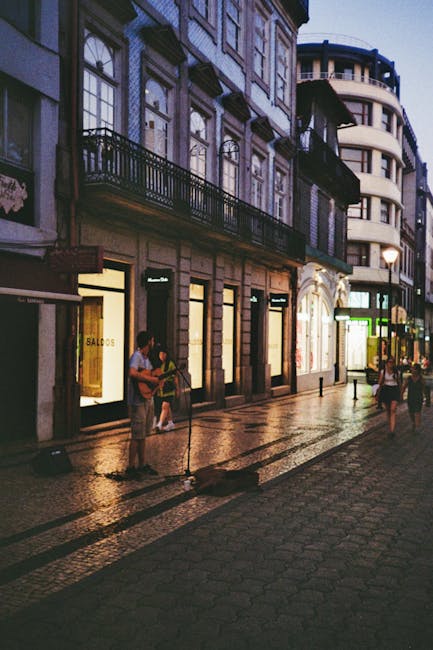
- Clube de Fado de Coimbra — various venues host nights; addresses and schedules change with programming (check local listings). Price: entry + a drink €10–25.
- Casa da Guitarra (if operating in town) or historic bars near Rua da Sofia and Praça do Comércio often host evening concerts. Reservations are advised, especially on weekends.
Safety and practical advice
- Avoid leaving bags or valuables visible inside a parked car. Keep a photocopy of your travel documents.
- If you visit the Biblioteca Joanina, strictly follow the rules (no flash photography, no bags). Staff are vigilant to protect the old books.
- For up-to-date information (opening hours, reservations), contact the Posto de Turismo de Coimbra, Praça 8 de Maio, 3000-123 Coimbra. Typical hours: 9:00–18:00 in season (may vary off-season). Phone: +351 239 707 200 (please verify).
Conclusion: guided tour, solo roaming — and the recommended hybrid
Choosing between guided tours and solo exploration in Coimbra really comes down to priorities: saving time, getting deep historical context and anecdotes versus freedom, leisure and intimate discovery. Guided tours shine at condensing must-sees (University of Coimbra, Biblioteca Joanina, fado, Machado de Castro) into a few hours with scholarly commentary and sometimes priority access. They suit travelers on a tight schedule or those looking for expert interpretation. Solo exploration appeals to curious visitors who enjoy immersive, unhurried wandering, stopping for a café, browsing a bookshop, or lingering at a riverside viewpoint.
For most visitors, combining both approaches gives the best value and experience: book a focused guided tour (for example, a university morning + Biblioteca Joanina) to grasp the big picture, then spend an afternoon freely wandering the botanical gardens, sampling local cuisine and capping the day with fado in an intimate club. This mix lets you benefit from an expert’s insight while keeping the freedom of personal discovery.
A few final tips: always double-check hours and prices a few days before your visit (museums and monuments can close for events or maintenance), book guided tours and fado nights in high season, and pack a lightweight umbrella — Coimbra can get sudden showers. By structuring your day but leaving pockets of free time, you’ll fully enjoy the academic soul, river panoramas and laid-back charm that make Coimbra so special.