



Introduction: Why choose a historic pousada for your stay in Coimbra
Coimbra, a former capital of Portugal and home to one of Europe’s oldest universities, exudes a powerful charm of stone, history and academic traditions. Staying in a historic pousada here extends the cultural experience beyond sightseeing: it means sleeping within walls that have witnessed centuries, stepping on floors worn smooth by time, and enjoying hospitality that showcases heritage with elegance. A historic pousada is more than a place to sleep; it’s a living museum where every corridor, armchair and window tells a story.
In this guide I’ll walk you through the practical, concrete advantages of picking a historic pousada in Coimbra: prime locations for exploring the old town, immediate immersion in local atmosphere, services that blend modern comfort with respect for the historic fabric, regional cuisine rooted in local recipes, and rates that often reflect the uniqueness of the experience rather than a simple hotel star ranking. You’ll also find practical information — exact addresses, opening hours for major sites, price ranges in euros, and local tips to make the most of your stay.
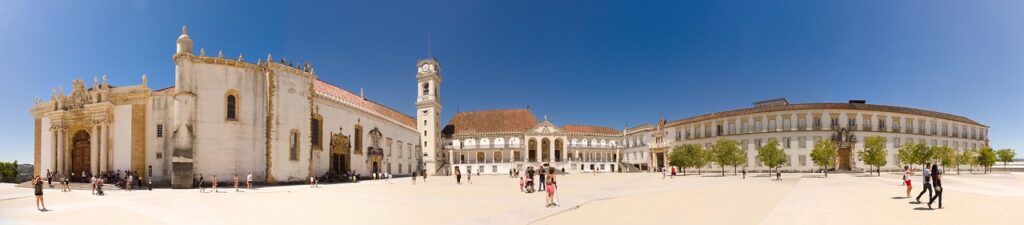
Picture this: you open your window at dawn and see the towers of Coimbra’s Sé Velha, or you head down to breakfast in a vaulted 17th-century dining room lit to showcase the stonework. Historic pousadas are often perfectly located: near the student quarter of the Universidade de Coimbra, the botanical garden (Jardim Botânico da Universidade de Coimbra) and the Mondego riverfront. A good pousada lets you stroll the cobbled lanes, catch an evening Coimbra fado performance, and reach key sights like the Biblioteca Joanina or the Paço das Escolas within minutes.
Practically speaking, these properties usually offer contemporary amenities (24-hour front desk, Wi‑Fi, on-site dining with regional dishes), with visitor-friendly hours: check-in from 15:00 and check-out generally around 12:00. Rates vary widely by season — higher from May to September — but you can find double rooms in Coimbra’s historic pousadas from about €90 per night in low season, up to €220 or more in high season for suites with views. We’ll give precise addresses and reference points so you can book confidently and plan your visits.
Location and heritage: waking up in the heart of history (more than 250 words)
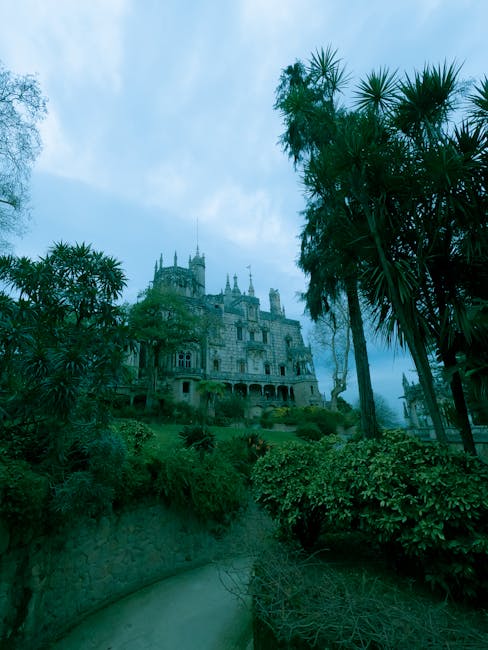
One of the primary advantages of a historic pousada in Coimbra is location. Many of these properties sit either within the historic center or just a few minutes’ walk from the main sights. For example, the well-known Hotel Quinta das Lágrimas (Largo do Paço, 3040-127 Coimbra) stands in a historic park crossed by paths and gardens, offering immediate proximity to the University and downtown. Most pousadas occupy restored buildings — palaces, convents, noble houses — meaning you can often set off on foot to explore emblematic spots without needing a car.
Staying in a historic pousada makes it easy to reach must-see sites: the Biblioteca Joanina (Paço das Escolas, Universidade de Coimbra, 3004-531 Coimbra), with its ornate woodwork and collections, is just minutes away, as is the Sé Velha (Praça 8 de Maio, 3000-305 Coimbra). The Mondego riverbanks, perfect for a sunset stroll, are also readily accessible from most heritage homes. As for hours: the Biblioteca Joanina generally opens 10:00–18:00 Tuesday to Sunday (closed Monday); indicative entry fee for non‑students is around €10; the Sé Velha is usually open during the day, often 09:00–17:30 (check seasonal schedules locally).
Choosing a historic pousada also offers a peaceful urban setting despite being central: old facades, enclosed gardens and inner courtyards dampen city noise. This environment suits cultural travelers who want time for reading and reflection, to attend a university lecture, or to enjoy a Coimbra fado concert. Finally, the central location makes day trips around the region easy: buses and trains to Porto or Lisbon depart from Coimbra-B station, accessible by taxi or tram depending on where you’re staying; expect a taxi fare of about €8–15 from the historic center depending on traffic.
Atmosphere and architecture: sleep surrounded by history (more than 250 words)
The second major perk is sensory: the architecture and ambiance of historic pousadas offer total immersion. Rooms often retain period features — carved moldings, French-style ceilings, antique floorboards, fireplaces — creating a warm, authentic atmosphere. Furnishings are selected to respect the spirit of the place, complemented by modern comforts (air conditioning, quality bedding, renovated bathrooms). You’ll often find reading rooms stocked with books on local history, Persian rugs, and artworks that reflect the house’s origins.
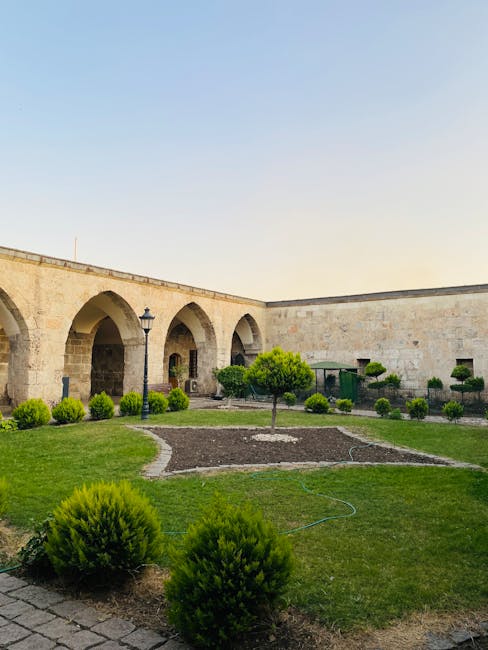
The architecture itself is a lesson: Romanesque or Gothic arches, stone vaults, cloisters and secret gardens. Restorations generally follow strict heritage standards, ensuring careful enhancement. For photographers and fans of visual composition, every corner is an opportunity: spiral staircases, exposed roof timbers, formal gardens. Expect attentive service, personalized recommendations from staff often trained in cultural tourism, and sometimes on-site guided tours that tell the story of the house.
Romantics will love candlelit dinners in vaulted rooms where the menu highlights regional produce — cheeses, cured meats, and sometimes the famed Portuguese roast suckling pig depending on the venue. Restaurant prices at a historic pousada vary: a dinner for two with starter, main, dessert and wine can range from €40 to €90 depending on the establishment’s level. Breakfast, often included or offered at about €8–15 per person, emphasizes homemade jams, local honey and regional pastries.
Services, modern comfort and practical tips (more than 250 words)
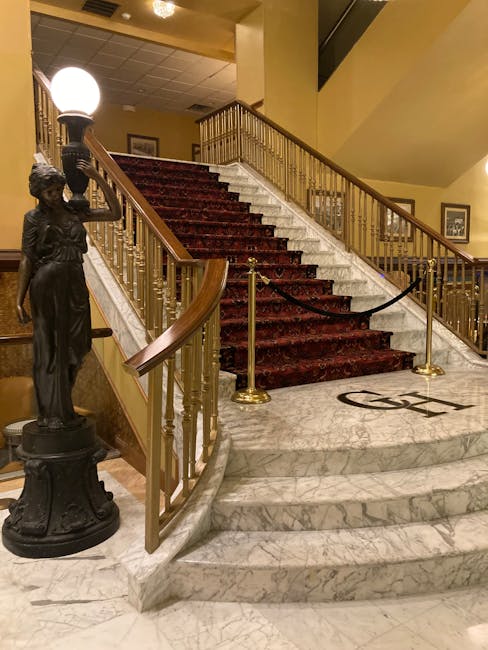
One myth to dispel is that authenticity equals discomfort: on the contrary, many historic pousadas in Coimbra offer high levels of modern comfort. Typical services include 24/7 reception, free Wi‑Fi in public areas and rooms, daily housekeeping, and concierge services to arrange guided tours, airport transfers or restaurant reservations. Higher-category properties may also offer spas, seasonal or heated pools, and meeting rooms for business travelers. Practical hours: standard check-in from 15:00, check-out until 12:00; breakfast usually served between 07:30 and 10:30.
A useful local tip: book your room and any restaurant reservations several weeks in advance during high season (May–September) and around university festivities like Queima das Fitas (May) or the academic year kick-off (October), as Coimbra is lively during those events. Room rates vary by category: a standard double in a historic pousada in Coimbra — low season €90–130, high season €150–220. Suites or rooms with garden or river views can reach €250 per night depending on amenities.
Transport and access: most historic pousadas offer valet service or nearby parking (parking usually charged about €6–20 per night depending on location). City tours — often 2 to 3 hours — cost between €15 and €35 per person and provide deeper insight into university history, Gothic architecture and Coimbra fado. Don’t forget to ask staff for local recommendations: the artisan bakery Padaria Portuguesa (numerous locations) for fresh morning pastries, or small fado bars where entry is free and drinks are modestly priced (expect €5–15 for a drink).

Conclusion: an experience, not just accommodation
Choosing a historic pousada for your stay in Coimbra means opting for an experience where accommodation becomes a vehicle for discovery. The benefits are many and tangible: a central location to explore the old town and the University of Coimbra, immersion in a unique architectural atmosphere, modern comfort integrated into heritage settings, and personalized services to optimize your visits. Prices reflect the scarcity of the offer and the quality of building restorations, but remain comparable to hotels of similar standard while offering an added historical and emotional value that’s hard to quantify.
To prepare your trip, keep these practical recommendations in mind: check opening hours for major sites (Biblioteca Joanina roughly 10:00–18:00, closed Monday; Sé Velha often 09:00–17:30), book in advance for busy periods, and ask pousada staff for personalized tips on restaurants and local fado concerts. Also pack comfortable shoes for navigating the city’s cobbled streets and stairways.
In short, a historic pousada in Coimbra offers more than a bed: it extends the visit into the night, turns every waking moment into a slice of history, and makes your accommodation a chapter of your journey. Whether you come for the ancient libraries, Coimbra fado, the gardens and architecture, or simply to soak up a singular atmosphere, it’s a choice that will enrich your stay and leave lasting memories.