



Introduction: Why this guide to Coimbra’s “tourist traps”?
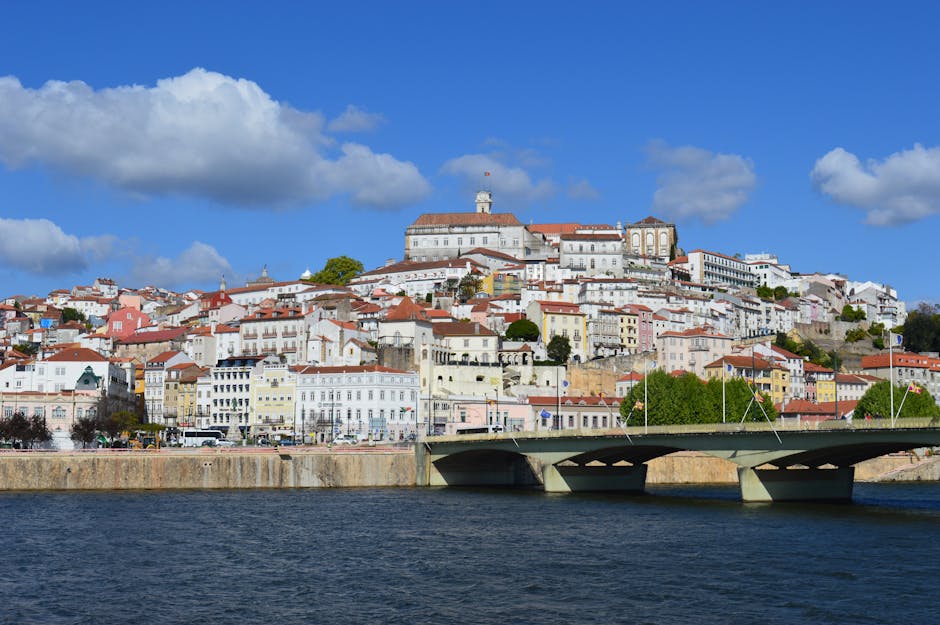
Coimbra, the former capital of Portugal and a quintessential university city, charms with its steep alleys, azulejo‑clad façades and scholarly heritage. Still, like any popular destination, it has its share of tourist traps that can turn a promising visit into wasted money, lost time, or a disappointing experience. This guide isn’t meant to bash the city — far from it. Its goal is to protect your trip by pointing out the most common “false good deals” and offering authentic, more economical and respectful alternatives.
Every year, travelers tell the same story: an impulsive booking for an overpriced fado show, a rushed visit to the Biblioteca Joanina without checking opening times, or a hurried lunch at an international chain on Praça do Comércio. These mistakes are understandable — the pull of must‑see attractions is strong — but they often cost you euros, long lines, or overly formulaic experiences. In this guide you’ll find a clear breakdown for each trap: what it looks like, the typical address when relevant, usual prices, times to watch out for, and, most importantly, local tips to avoid them or turn them into real discoveries.
In the numbered sections below you’ll find the ten most frequent pitfalls in Coimbra: some involve iconic sites (and therefore mass tourism), others concern services (transport, boat rides, restaurants) or commercial practices (overpriced souvenirs, fake guides). Each entry includes concrete alternatives — neighborhood restaurants, student‑favorite cafés, lesser‑known walks, cheaper but historically rich museums — plus practical advice (best time slots, expected prices, exact addresses and how to book).
This guide is written for the curious, attentive traveler who wants to make the most of Coimbra without falling into classic traps. Whether you’re here for a weekend, a study stint or a short stop between Lisbon and Porto, these tips will save you time and money while deepening your experience. Lace up comfortable shoes: some of the suggested alternatives involve walking and soaking up daily life in Coimbra, which is often the best way to discover the city.
1. Tourist fado shows on Rua Santa Cruz — watch out for inflated prices
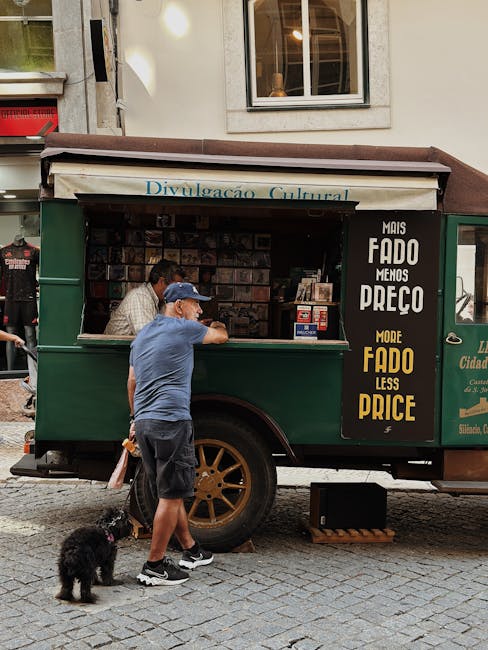
Coimbra fado is a unique musical tradition, distinct from Lisbon’s fado: it’s tied to student life and the academic community. However, Rua Santa Cruz and its surroundings (Praça do Comércio, Rua da Sofia) have seen a proliferation of canned “shows” aimed at tourists, charging between €15 and €40 per person, sometimes with mandatory overpriced drinks. Many of these places advertise “live fado” but offer very short sets (20–30 minutes) or even recorded playlists. A common hotspot is Praça do Comércio, 3000‑042 Coimbra — note that this square hosts several bars and restaurants that use these pricing tactics.
Hours: performances usually start between 21:00 and 23:00, and there is often a surcharge for tables reserved after 21:30. Local tip: favor associative fado houses, student cafés or small tasquinhas where fado is sung informally. Look for events at Casa da Esquina or nights organized by the Associação de Estudantes de Coimbra (AE Coimbra). These concerts are often free or run on a voluntary contribution basis (≈ €2–10).
Practical advice: always ask how long the performance lasts and whether a purchase is mandatory. Decline any “show fee” that isn’t explained upfront. For a truly authentic experience, ask your hostel reception or the Universidade de Coimbra’s ticket office — they can often recommend reputable local performers without inflated prices.
2. Biblioteca Joanina: long lines, rushed tours and unofficial guides
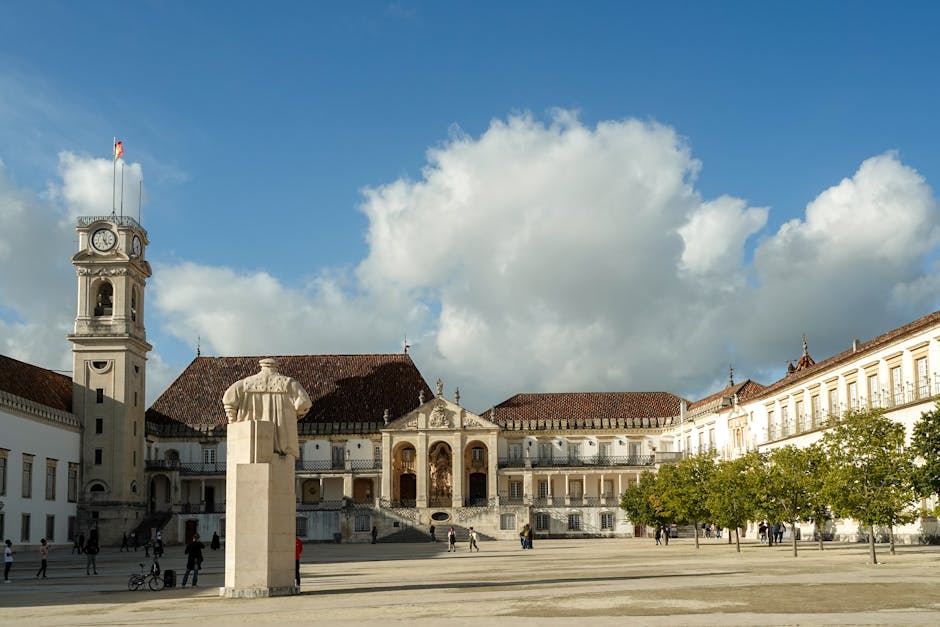
The Biblioteca Joanina (Paço das Escolas, Universidade de Coimbra, Praça Dom Dinis, 3000‑143 Coimbra) is one of the city’s baroque gems and is often touted as a must‑see. The problem: many visitors queue for over an hour for a 10–15 minute guided visit, sometimes led by unofficial guides charging more than the official ticket price. Official combined tickets for the library and the University Tower are typically around €10–12, with indicative hours 9:00–13:00 and 14:00–17:00 (varying by season and academic calendar).
Local tip: buy tickets online via the Universidade de Coimbra’s official site or arrive at opening time (9:00) to avoid queues. If the line is too long, consider visiting the Biblioteca João Rodrigues (a departmental library) or the Museu Nacional de Machado de Castro (Largo Poço do Bispo 3, 3000‑205 Coimbra, entry ≈ €6–8, hours 10:00–18:00) — the latter offers a deeper dive into the city’s history with extensive Roman and medieval collections.
Precautions: avoid “independent” guides who offer a quick tour of the campus courtyard and then charge extra for the tower climb or photography. Official guides provide a receipt and follow scheduled times; ask for the official sign at the entrance.
3. Hop‑on hop‑off bus tours: not well suited to the historic center
Coimbra is compact and hilly: its narrow streets, stairs and small squares don’t lend themselves well to hop‑on hop‑off bus circuits. Still, you’ll find offers for “hop‑on hop‑off Coimbra” passes costing between €12 and €18 for a day. In practice these routes often run away from the city’s most charming neighborhoods (Alta, Sé Velha, Jardim do Mondego) and operate infrequently. Stops at points of interest can also be a long walk from the historic center, meaning you’ll end up walking anyway.
Recommended alternatives: choose a guided walking tour (about 2 hours) with a local guide — common rates are €10–20 per person — or rent an electric bike to explore the Mondego riverbanks. Walking tours usually depart from Praça 8 de Maio or Paço das Escolas; book through the tourist office (Praça do Comércio 3000‑062 Coimbra, open 9:00–18:00). These options offer more flexible stops and interpretation tailored to pedestrians.
On‑the‑ground tip: avoid buses in summer when traffic makes the ticket less worthwhile. If walking is difficult for you, consider an electric tuk‑tuk driven by a local who knows the shortcuts: negotiated rates are around €15–25 for 45–60 minutes.
4. Boat rides on the Mondego: overpriced tourist packages
Stalls near Ponte de Santa Clara offer Mondego river rides marketed as “cruises” with drinks included. Prices can reach €20–35 per person for 45 minutes. The issue: many of these boats are small motor launches with little shade and no meaningful historical commentary. In high season departures are irregular and tours may be shortened.
Authentic alternative: join a kayak or canoe group organized by local clubs (Coimbra Canoagem, Cais do Rio Mondego, Rua do Paraíso 4, 3000‑160 Coimbra). Typical rates are ≈ €10–18 for 1.5 hours with a guide and equipment included. These outings let you paddle close to the banks, observe local wildlife and connect directly with the river away from the tourist crowds.
Practical advice: if you prefer a calm cruise, check that the operator displays a registration number and provides life jackets. Don’t accept overpriced “drink packages” sold on board — buy refreshments beforehand at a local café for a normal price.

5. Restaurants on main squares (Praça do Comércio, Praça 8 de Maio): menu traps
Restaurants located on Coimbra’s main squares often display “touristic” menus that don’t reflect the local cuisine and tack on extras for terrace seating, bread or olives. Expect basic dishes (bifana, fish & chips, pizzas) at prices higher than neighborhood taverns: a starter + main + drink can easily run €18–30 per person for average quality. Keep an eye on Praça do Comércio, 3000‑062 Coimbra — several establishments there use multilingual menus and flashy photos to draw in passersby.
Yummy alternative: to taste authentic Coimbran cuisine, head to the Santa Clara district, Rua da Sofia, or the Mercado Municipal Dom Pedro V (Largo da Figueira 3000‑401 Coimbra) for fresh produce and local stalls. Locals recommend: Tasca do Ti Manel (Rua Larga 171, 3000‑143 Coimbra, dishes ≈ €8–15) or Taberna do Félix (Rua do Norte 2, 3000‑164 Coimbra, dishes ≈ €10–18).
Tip: always ask the price of the daily special and whether there’s a couvert (service/bread) before sitting down. Student‑frequented taverns often offer the best value and a friendly atmosphere.
6. Overcrowded souvenir shops: high prices, fakes and standardized products
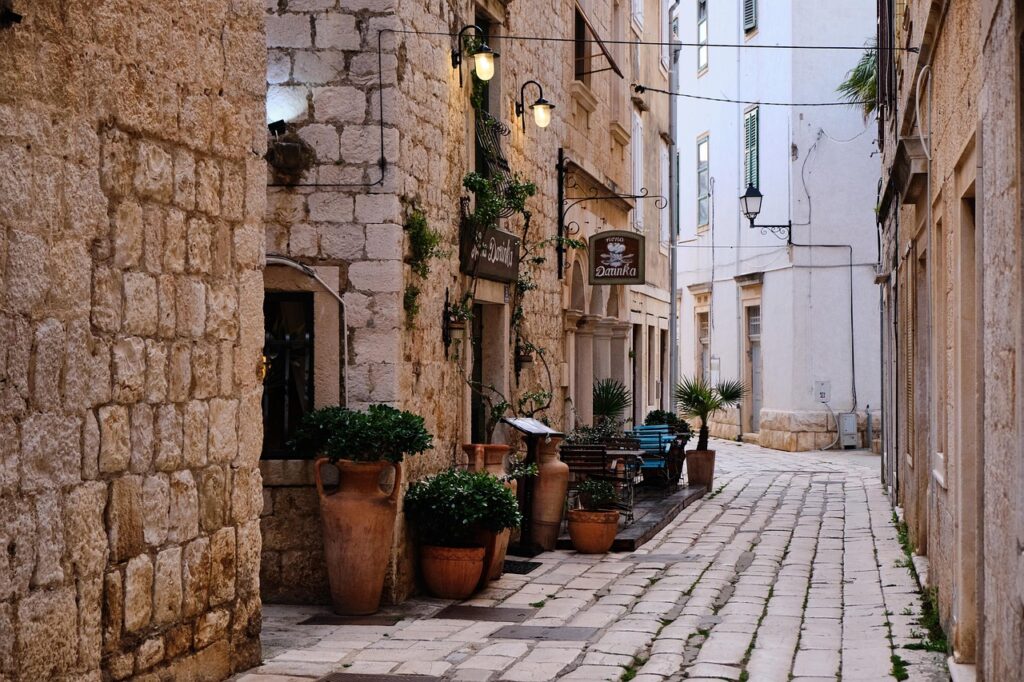
The streets around the Universidade (Rua Ferreira Borges, Rua da Sofia) and the central shopping area host many souvenir shops selling magnets, t‑shirts and tile replicas at inflated prices (often > €10–15 for a small item). Some products claim to be “handmade” while actually being mass‑imported. A typical address to watch: Rua Ferreira Borges 25, 3000‑096 Coimbra — several kiosks and shops compete for foot traffic.
Buying tip: favor genuine artisan workshops or the Mercado Municipal to find pottery, cheeses (Serra da Estrela by the portion) and local specialties. The workshop « Oficina da Seda » and small shops around Largo da Sé Velha sell authentic pieces, often signed and fairly priced (from €10 to €60 depending on the item). If you buy an azulejo, ask about its origin and request a certificate of manufacture when possible.
Bargaining advice: prices at the market are often negotiable, especially if you buy several items. For art pieces, respect the artisan’s work and avoid trying to drive the price down excessively — that undermines local crafts and livelihoods.
7. Paid “photo stops” for viewpoints: usually avoidable
Some companies charge for brief photo stops at “best viewpoints” over the city, for instance at the Jardim Botânico (Botanical Garden of the University of Coimbra, Rua do Jardim Botânico, 3000‑456 Coimbra) or near Santa Clara park. These stops can cost €5–10 even though access to many viewpoints is free or included in a walk. The Botanical Garden itself is a lovely space (entry ≈ €3–5, hours 9:00–18:00) but doesn’t justify surcharges for a single snapshot.
Alternative: scout out free viewpoints like Penedo da Saudade (Largo do Paço 1, 3000‑143 Coimbra — a popular student lookout) where the view of the river and old town is free. Another spot is Miradouro da Quebra Costas (near Sé Velha), reachable on foot. Bring a small tripod and aim for golden hour (sunrise or sunset) for the best photos without paying anything extra.
Practical tip: if someone asks you to pay for a photo stop, negotiate or politely decline. Ask the driver/agency whether the viewpoint is included in the standard tour — often the fee is just a sales trick to boost revenue.

8. Conímbriga “express” from Coimbra: watch the time and transport
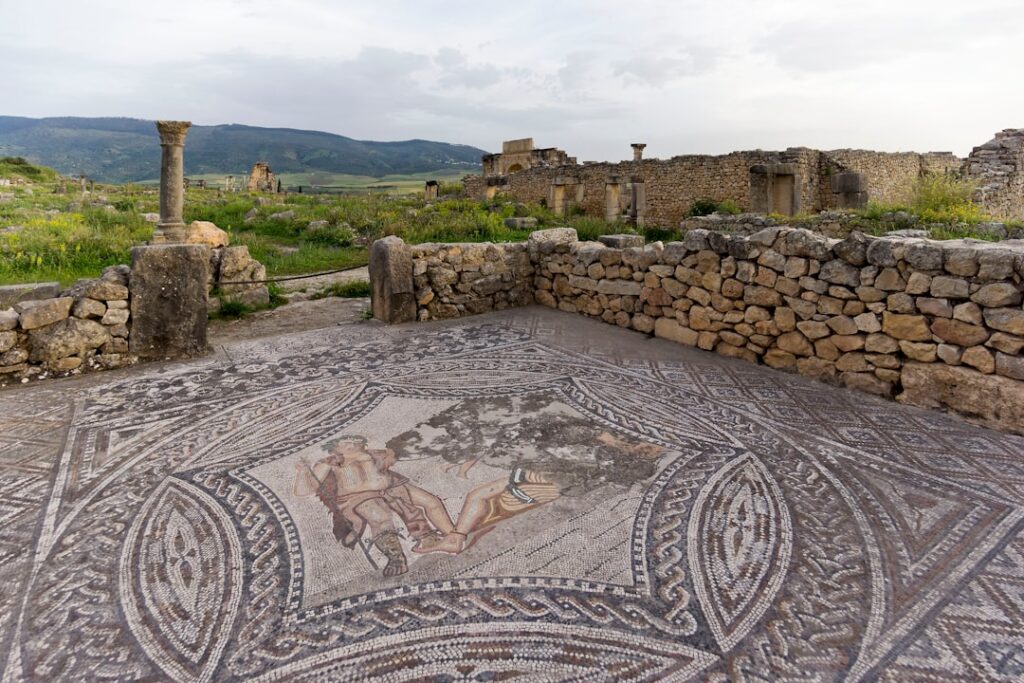
The Roman ruins of Conímbriga (Rua do Parque Arqueológico, Condeixa‑a‑Nova, 3150‑340) are worth visiting, but many “half‑day from Coimbra” tours sold at a high price (≈ €25–40) rush you through the site with a hurried minibus. As a result you may only spend 30–40 minutes on site, not nearly enough to appreciate the mosaics and museum. Entrance fees to the archaeological park are usually around €5–8 for adults, with indicative hours 9:30–18:00 depending on the season.
Practical advice: take the train or local bus (Comboios de Portugal from Coimbra‑B station, or TUC/Intercidades buses) and spend a half‑day there. Renting a car or sharing a taxi with other travelers is also cost‑effective if you’re more than two people. The museum and walking trails require at least 1.5–2 hours for a relaxed visit.
Tip: combine your visit with lunch in the village of Condeixa‑a‑Nova and return in the late afternoon for a richer experience and often lower total cost than an organized tour.
9. Unofficial guides outside attractions: check credentials
Outside major sites (Universidade, Biblioteca Joanina, Mosteiro de Santa Cruz) some people offer last‑minute tours without proper accreditation. They often demand cash payments and charge high rates for “private” tours (≈ €20–35 for 1–2 hours). The risk: inaccurate information, no receipt and a poor overall experience.
Advice: ask to see a professional license (usually issued by Câmara Municipal de Coimbra) or book through reputable agencies. Official guides are trained, can provide historical documents and practical tips. The tourist information point at Praça do Comércio (3000‑062 Coimbra) can point you to certified guides and give you a reasonable price estimate (€10–20 for a local guide per group).
Budget alternative: join a “free walking tour” run by local collectives — typically tip‑based (a €5–10 tip is recommended) — which often deliver excellent value and reliable information.

10. Ready‑made day trips to Fátima/Porto from Coimbra: mind the promises
Many agencies sell day trips to Fátima, Porto or Nazaré from Coimbra with tight schedules and limited stops. These full‑day outings can cost between €30 and €60 and are often exhausting: little time in Fátima, late arrival in Porto, or long drives with scant cultural explanation. Common booking points are tourist agency offices near Coimbra‑B station (Praça 8 de Maio, 3000‑062 Coimbra).
Practical tip: if you want to visit Porto or Fátima, favor the train (Porto is ≈ 1h by intercity train, fares ≈ €6–15 depending on class) or the Rede Expressos bus to Fátima (≈ 1h15–1h30, fares ≈ €8–12). Public transport is reliable and lets you manage your time. For a spiritual visit to Fátima, book at least one night there if possible: the experience is more peaceful and less rushed.
Money‑saving tip: compare the total cost (transport + visits) of an organized tour with an independent trip — more often than not, doing it yourself is cheaper and more satisfying.
Conclusion: Travel smart in Coimbra — avoid the traps, choose authenticity
Coimbra offers rich heritage and a lively student atmosphere that quickly wins you over. The ten traps listed above shouldn’t put you off visiting, but rather make you more vigilant. The common thread is simple: proximity to tourist hotspots attracts quick commercial offers that can be misleading. Whether it’s a fado show, a river trip, a visit to Biblioteca Joanina or a meal on a main square, the key is to check, compare and favor recognized local operators, official bookings and authentic alternatives.
Before you go, remember these golden rules: 1) book major attractions online or arrive early in the morning to avoid queues; 2) follow recommendations from the tourist office (Praça do Comércio) and student hostels for trusted addresses; 3) refuse vague services (cash payments without receipts, paid “photo stops”); 4) taste the food in small taverns where locals eat; 5) use public transport for off‑site trips rather than rushed package tours.
With a bit of preparation and a critical eye, you can turn potential “tourist traps” into smart choices: more time to savor views over the Mondego, more meaningful exchanges with locals and better control over your travel budget. Coimbra deserves lingering walks — stroll the Alta without hurrying, hear fado in a modest café, explore the university gardens and let yourself be surprised. Enjoy your visit, and remember: the most valuable experiences are often the ones not sold on a tourist poster.