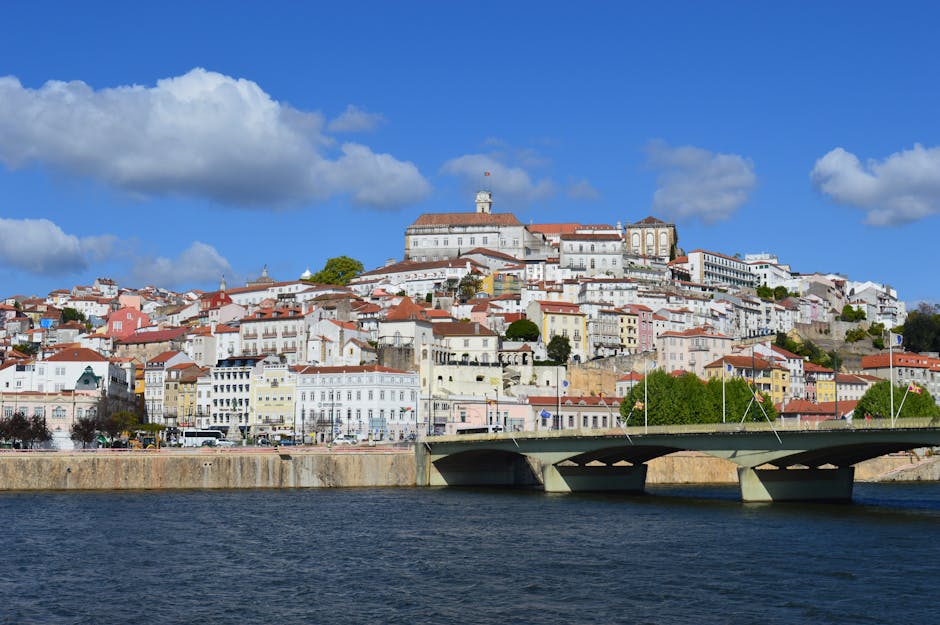




Introduction — Understanding Coimbra’s Tourist Traps from a Local Perspective
Coimbra lives with one foot in history and another in a lively student scene: black academic robes, museums heavy with stories, narrow streets lined with cafés and bookstores. It charms visitors instantly — but that charm can sometimes hide sneaky tourist traps locals grumble about. This guide compiles residents’ insights so you can spot those traps, avoid them, or even take advantage of some offerings without getting ripped off.
“A tourist trap” can mean different things: places with inflated prices, low-cost activities that lack authenticity, overhyped restaurants around major sights, one-sided guided services, poorly managed queues, and souvenir shops selling dubious goods. In Coimbra, many of these pitfalls cluster around the university heritage zone — notably the Biblioteca Joanina and Quinta das Lágrimas — but they also pop up along the riverfront and in the busiest neighborhoods.
This guide aims to be useful, practical and honest: it includes precise descriptions of common issues, exact addresses, usual opening hours, prices in euros and local tips to dodge the stumbling blocks. Recommendations come from residents: students, shopkeepers, local guides and tourism workers. What they have in common? A genuine affection for Coimbra and a desire to preserve high-quality experiences for visitors.
In the sections below you’ll find detailed breakdowns — the most frequent traps, how to handle queues, how to tell an authentic Coimbra fado from a packaged show, where to eat without getting overcharged, and which walks are really worth your time. Each section lists specific places, addresses, hours and typical prices, plus concrete local tips to avoid unpleasant surprises. The goal isn’t to discourage you from visiting, but to help you travel smarter, save money and experience more authenticity.
Before diving into the recommendations, keep three simple principles the locals repeat: 1) prefer shops and restaurants that serve local customers rather than those facing the main tourist streets; 2) buy tickets for popular sites in advance from official sources; 3) ask students and residents for their favorite spots — they often hold the best tips. With those guidelines in mind, let’s explore the traps you should know about and how to avoid them.
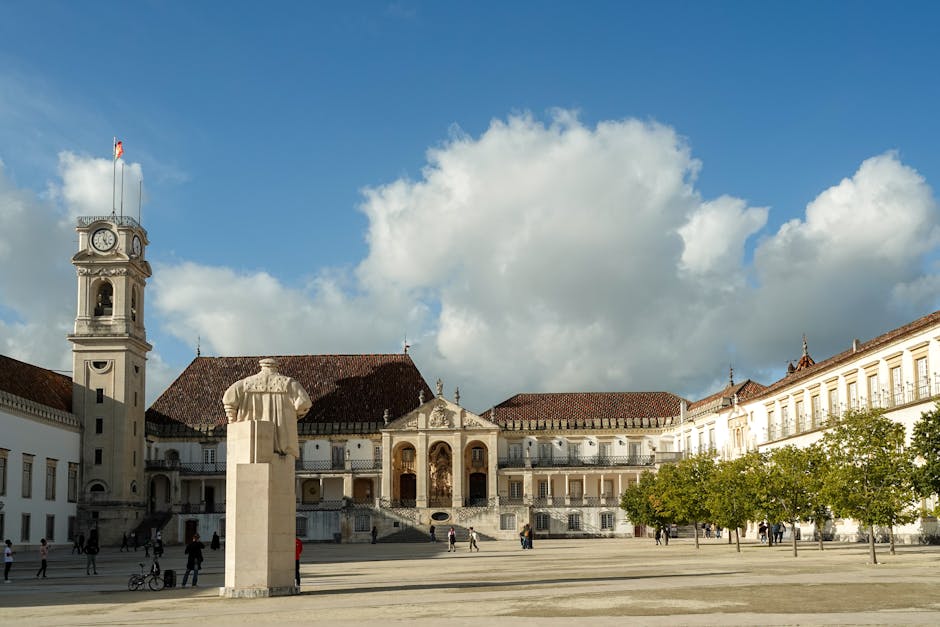
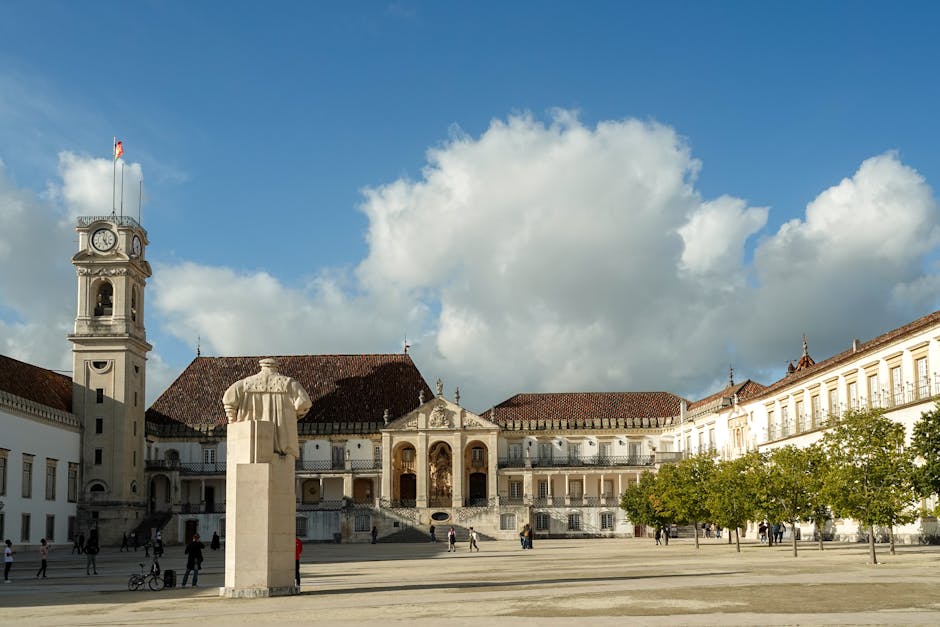
1. Queues and Fake Priority Access at the Universidade de Coimbra and Biblioteca Joanina
The Universidade de Coimbra (Paço das Escolas), at Praça Dom Dinis, 3000-143 Coimbra, is one of the city’s cultural landmarks. Inside, the Biblioteca Joanina is among the most photographed spots. This is also where some of the most common tourist traps appear: long queues, unofficial ticket resellers, unauthorized guides claiming to offer « skip-the-line » access, and tourist kiosks selling unnecessary packages.
Description of the trap
It often starts at the bottom of the hill: vendors offer « skip-the-line » tickets or guided visits at high prices without clarifying that there is an official single ticket to access the entire Paço das Escolas. Tourists, eager to see the Joanina room, accept and end up in rushed small groups with little historical interpretation — sometimes after paying twice.
Practical information
- Address: Universidade de Coimbra — Praça Dom Dinis, 3000-143 Coimbra
- Opening hours (University and Paço das Escolas circuit): typically 09:00–19:00 in high season (May–September), 09:00–17:00 in low season; the library may close earlier some days for university ceremonies — check the official website.
- Price: Combined ticket Paço das Escolas + Biblioteca Joanina ≈ €12 for adults, reduced ≈ €6 for students and seniors; official guided tours may be included at certain times.
- Official tickets: buy only at the university ticket office or on the Universidade de Coimbra website to avoid resellers.
Locals recommend arriving early (or late afternoon): at opening time circulation is easier, and the lighting in the Biblioteca Joanina suits photos that capture the baroque atmosphere. Avoid paying extra for « skip-the-line » — the official box office usually manages visitor flow. If you want a guide, book an official guided tour through the ticket office or Coimbra’s tourist office (Posto de Turismo — Praça 8 de Maio, 3000-300 Coimbra; phone: +351 239 488 269; hours 09:00–18:00).
Local tip: ask a student (you’ll often spot them in the academic cape) for advice and less crowded time windows. They know the best moments to visit and are usually happy to share a walking route to see the city.
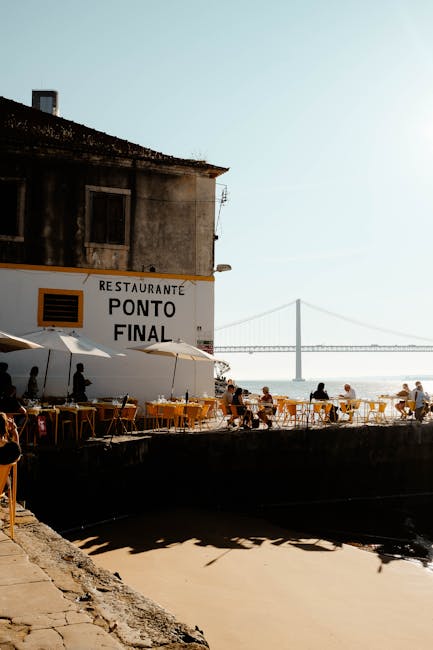
2. Tourist-trap restaurants around heritage areas — where prices are inflated
Around the historic center and busy zones (Rua Ferreira Borges, Largo da Portagem, and the edges of Praça do Comércio), several establishments rely on location rather than quality. Traps here include overpriced plates, small portions, hurried staff and surprise charges (unlisted service fees, bread charged, or bottled water you didn’t order).
Common examples and places to watch out for
- Unnamed but very visible restaurants on Rua Ferreira Borges — average posted prices that are too high: starters €8–€12, mains €15–€22, with inconsistent quality.
- Terraces around Praça do Comércio — often charged as a « prime location » with an additional unlisted fee; francesinha or bifana portions priced around €12–€18.
Where locals eat
Locals advise walking 2–5 minutes away from the tourist squares. Here are a few places recommended by residents for a more authentic experience:
- Taberna do Ti Lopes — Rua do Norte 13A, 3000-301 Coimbra. Local specialties, Portuguese tapas: mains €8–€14. Hours: 12:00–15:00, 19:00–23:00. (Evening reservations recommended.)
- O Trovador — Largo da Portagem 20, 3000-275 Coimbra. Portuguese bistronomy, daily menu ≈ €12. Hours: 12:00–15:00, 19:00–22:30.
- Solar do Bacalhau — Rua Pedro Nunes 56, 3000-232 Coimbra. Traditional bacalhau with generous portions: mains around €14–€22. Hours: 12:00–15:00, 19:00–22:30.
Anti-trap advice: watch the clientele. A place full of locals is often a sign of quality. Always ask for the drinks list before you sit down if you plan to order bottled water or other beverages — that helps avoid surprises on the bill. Finally, opt for the day menu (« prato do dia ») which often offers a full, market-fresh meal at a better price.
3. Tourist-style fado shows vs. authentic Coimbra fado
Fado is a cornerstone of Portuguese culture; Coimbra’s fado has its own codes (student songs, the unique sound of Portuguese guitar or guitarra andaluza) and is distinct from Lisbon’s fado. Visitors encounter two types of experiences: commercial shows created for tourists (staged, often ticketed and disconnected from local life) and authentic recitals, sometimes free, organized by student associations or traditional fado houses.
Examples of traps
Traps include « fado shows » in tourist venues with expensive entry (€15–€30) and pre-recorded music; restaurants offering a « dinner-fado » fixed-price package without real artistic quality. Locals note that while some visitors enjoy these formats, they don’t reflect the soul of Coimbra’s fado.
Addresses and recommended alternatives
- Casa da Música do Fado (tourist shows) — often hosted in hotels or clubs around Largo da Portagem: entry €20–€30, times vary (20:30–23:00).
- Associação de Estudantes da Universidade de Coimbra (student concerts) — student programming sometimes features university fado recitals: usually free or a small fee (€3–€8). Address: Associação Académica de Coimbra, Praça da República 35, 3000-147 Coimbra. Event hours vary by schedule.
- Traditional fado clubs: check small houses and local schedules, for example cafés in the Alta area — entry €5–€12 depending on the night.
Local tip: ask the tourist office or your accommodation about student evening concerts — many are emotionally intense and more authentic than the tourist-targeted shows. If you choose a dinner-show, verify the program and ask whether the performers are local artists not tied to « tourists-only » packages.

4. Boat trips on the Mondego and poorly organized excursions
The Mondego river runs through Coimbra and offers a different perspective on the city. However, some boat-trip offers are designed to attract visitors without delivering fair value: tours that are too short, generic commentary in multiple languages, or disproportionate prices. Locals have spotted informal operators on the quays pitching « private » tours at attractive rates but lacking safety or insurance.
Common traps
Some skippers advertise « 1-hour » tours that end after 30 minutes, include unwanted stops (shops in collusion), or change prices based on crowding. Others sell a « sunset cruise » but lack proper equipment (not enough seating, no life jackets available).
Reliable operators and practical info
- Coimbra Boat Tours — Quai do Mondego, near Ponte de Santa Clara. Rates: standard 45-minute tour ≈ €8–€10 per adult, €5 per child. Hours: 10:00–19:00 depending on season; check the ticket booth before boarding.
- Mondego River Cruises (licensed operator) — departure near Jardim Botânico, Av. Emídio Navarro 3000-075 Coimbra. Sunset cruise 75 minutes ≈ €15 per adult. Hours: variable, reservation recommended.
Local advice: prefer licensed operators — look for visible life jackets and clearly posted prices. Don’t accept on-the-spot offers if the price seems much lower than the norm: that often hides safety lapses or a half-baked service. The best time for a trip is about an hour before sunset: the light flatters façades and bridges, and the atmosphere is calmer than midday.

5. Souvenirs, markets and shops: how to tell the good from the bad
Buying souvenirs can be fun, but in Coimbra — as in any tourist town — you need to avoid traps: imported trinkets, low-quality craftwork, misleading labels (« handmade in Portugal » with no proof) and inflated prices in shops along tourist routes. Locals emphasize two tips: favor small artisan shops and avoid international chains on main squares.
Trusted markets and artisan addresses
- Feira Medieval de Coimbra (seasonal) — if you find it in summer, watch the artisans’ ethics; some stalls sell authentic local craft while others offer industrial reproductions. Prices vary by item (keyrings €2–€5, handmade ceramics €10–€40).
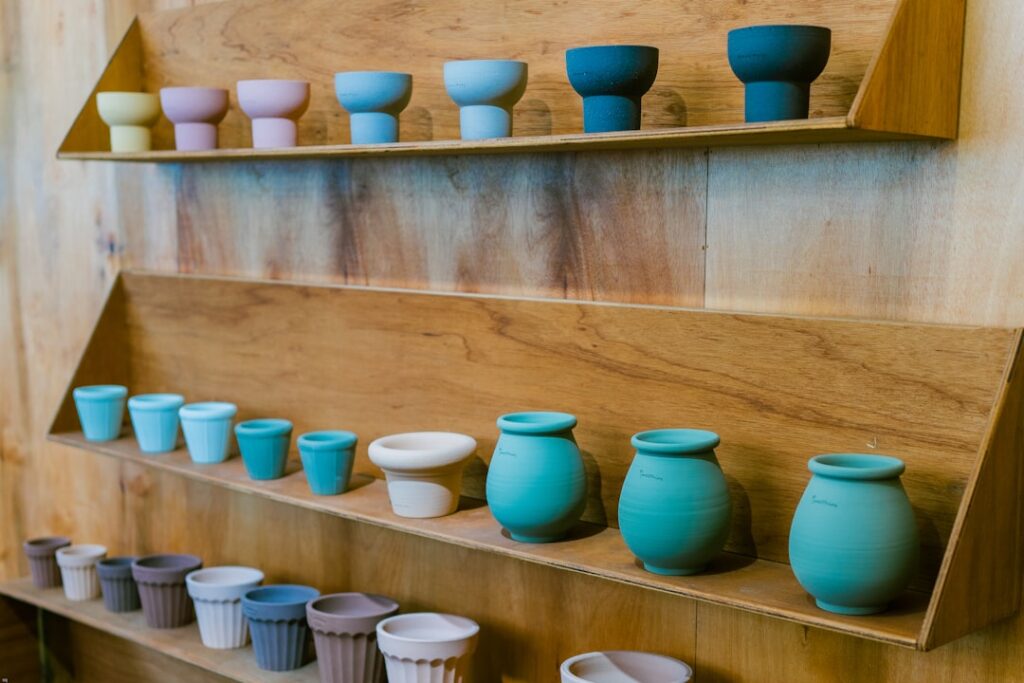
- A Arte da Terra — Loja de Artesanato — Rua do Quebra-Costas 24, 3000-058 Coimbra. Local craft shop: ceramics, filigree jewelry, textiles. Prices: magnets and small souvenirs €3–€8, ceramics €15–€60. Hours: 10:00–19:00.
- Mercado Municipal D. Pedro V — Rua dos Oleiros, 3000-391 Coimbra. Food market to buy local cheeses, jams and regional products. Hours: 07:00–14:00 (days may vary).
Local tip: for textiles and traditional clothing, ask about the product’s origin. An honest artisan will gladly explain how it was made. Be wary of « 100% handmade Portugal » labels without details. For secondhand books or university editions — Coimbra being a university town — check the bookstores around Rua da Sofia and Largo da Portagem: you’ll often find interesting used volumes at fair prices.
Conclusion — Travel smart in Coimbra: respect, curiosity and common sense
Coimbra is a city worth exploring with patience and curiosity. Tourist traps exist, as they do everywhere, but they’re easy to avoid by following a few simple rules: buy tickets at official counters, favor restaurants frequented by locals, verify the legitimacy of excursion operators and check where genuine fado happens instead of taking the first commercial offer. Coimbra’s residents — students, shopkeepers and artists — care deeply about their city’s authenticity and are usually happy to share addresses and tips to make your visit rewarding.
Practically, that means concrete actions: book popular visits like the Biblioteca Joanina in advance via the Universidade de Coimbra website, consult the tourist office (Posto de Turismo, Praça 8 de Maio, 3000-300 Coimbra, phone +351 239 488 269) for local listings, choose meals in the side streets rather than on the main squares, and ask students about authentic fado nights. These practices will help you avoid scams and support the local players who truly contribute to the city’s cultural life.
Finally, remember every traveler has their own tolerance for the « touristy. » Some will enjoy a polished show or a convenient restaurant with a view. The purpose of this guide is to give you the information to choose consciously. Respect the residents, respect the places: not contributing to tourism excesses helps preserve Coimbra’s soul. With a little attention and the right addresses, you’ll leave with memorable sights, genuine encounters and the feeling you experienced the city as a well-informed guest.