





Introduction: visit Coimbra without getting ripped off
Coimbra, the old Portuguese capital perched along the Mondego River, mixes university history with cobbled alleys, traditional cafés and a buzzing student scene. But like any popular destination, there are practices and situations that can quietly inflate your bill: tourist menus with doubled prices, unofficial guides charging sky-high rates, taxis that “forget” to turn on the meter, pushy street vendors or overpriced private tours. This guide aims to give you practical information—exact addresses, typical opening hours and price ranges—so you can enjoy Coimbra without getting fleeced. It focuses on the city’s signature spots—University of Coimbra, Biblioteca Joanina, Sé Velha, Mosteiro de Santa Clara, Quinta das Lágrimas, Praça 8 de Maio—and on the behaviors to adopt (or avoid) to save time and money.
You’ll find concrete tips here: how to check official prices, where to buy tickets without commission, the best times to visit certain sites to avoid paid queues, and how to spot common scams around tourist hubs like Praça 8 de Maio and Rua Ferreira Borges. I’ll give exact addresses, price ranges in euros and typical hours—always stressing the need to double-check in person (official sites, welcome signs) since hours can shift with the season or public holidays.
This guide is written for a general audience: independent travelers, families, solo visitors and small groups. I’ll suggest cheaper, authentic alternatives (student-frequented cafés, neighborhood taverns, local markets), plus tips for using public transport (approximate bus fares, station locations) and taking a taxi safely in Coimbra (numbers, taxi ranks). I’ll also outline subtler scams—card surcharges in restaurants, fake guides selling “exclusive tours” and charging for services that don’t exist—and provide simple Portuguese phrases of politeness and refusal so you can decline without offense.
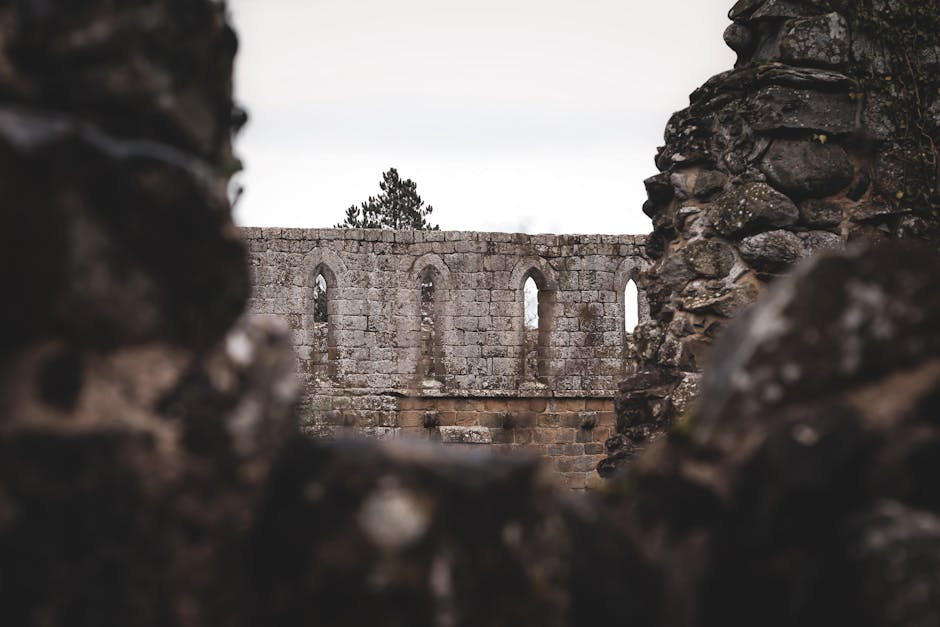
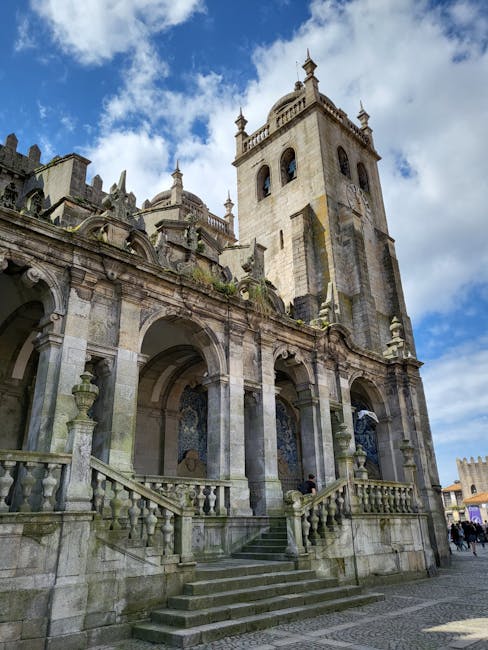
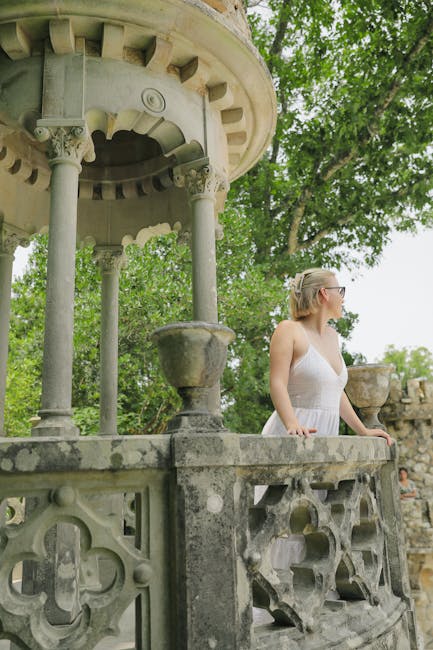
Throughout this article you’ll also find visual markers in the form of images  to help orient yourself and plan your photo route. These reference photos are chosen to make it easier to recognize the sites you’ll visit. Pack your bag, print—or save offline—the addresses and opening hours listed, and go through these pages noting the exact locations and small practical tips that will let you enjoy Coimbra fully without unpleasant financial surprises.
1) Must-see spots with addresses, prices and opening hours: how to pay the right price
Start by identifying the official sites and their tariffs: that’s your first line of defense against surcharges. Here’s a detailed list of Coimbra’s main tourist attractions, with exact addresses, typical price ranges in euros and usual opening hours. These are indicative and can change with the season—always check the signs or the official website before paying.
- Universidade de Coimbra – Paço das Escolas: Largo da Universidade, 3004-512 Coimbra. Combined entry for Paço das Escolas + Biblioteca Joanina + Capela São Miguel. Typical price: €12.00 adult, €6.00 reduced (students/children). Hours: usually 09:00–13:00 / 14:00–17:30 (Mon–Sat), the guided-visit part often closed on Sundays. Book ahead in high season (May–Sept) to avoid queues and small agencies reselling marked-up tickets.
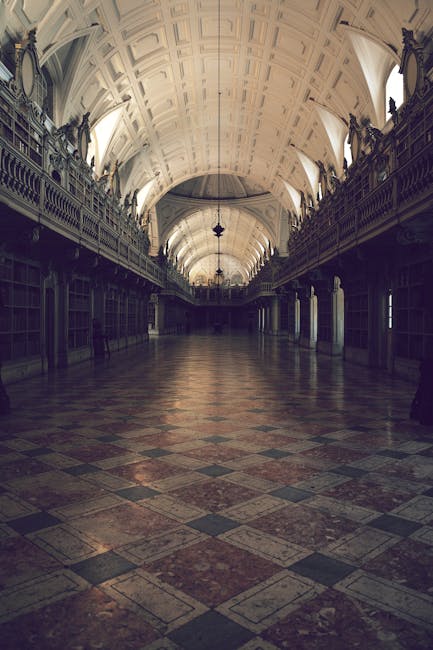
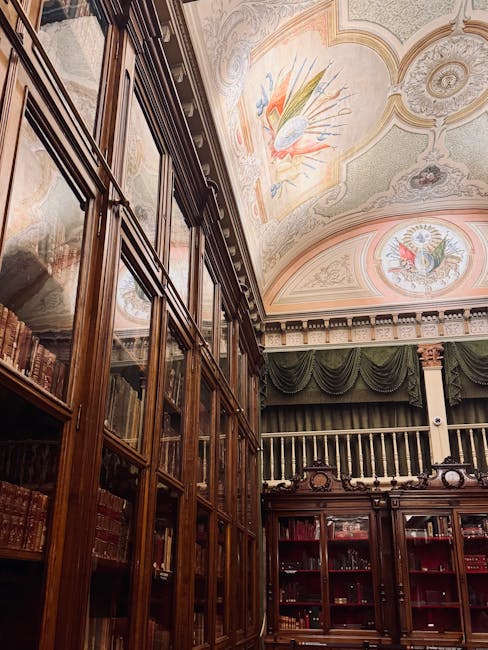
- Biblioteca Joanina (inside the Paço das Escolas): Largo da Universidade, 3004-531 Coimbra. Access is included with the Paço ticket. Visits are tightly regulated: photography may be prohibited at times and guided tours run intermittently. Hours same as the Paço.
- Sé Velha de Coimbra (Old Cathedral): Largo da Sé Velha, 3000-295 Coimbra. Typical price: €2.00–€3.00. Hours: 09:00–12:30 / 14:30–18:00 (Mon–Sat), mass and services vary on Sundays. It’s a compact site; avoid street “official guides” who insist they’re indispensable—a printed guide or an official audio-guide is often plenty.
- Mosteiro de Santa Clara-a-Velha: Rua do Mosteiro de Santa Clara-a-Velha, 3040-266 Coimbra. Museum and ruins. Typical price: €4.00–€6.00. Hours: 10:00–18:00 (Tue–Sun), closed on Monday. Independent guides offering “private” tours for groups of 2–3 can charge €30–€50 per hour—prefer group tours or the audio guide for clear explanations at lower cost.
- Quinta das Lágrimas: Rua António Augusto Gonçalves, 3040-409 Coimbra. Historic gardens tied to the legend of Inês de Castro. Garden access: partial free entry or around €5.00 for full access to some areas and the route (season-dependent). Hours: 09:00–19:00 (varies). Some guides and hotels sell overpriced « romantic packages »—always compare with the official entry price.
- Mosteiro de Santa Cruz: Praça 8 de Maio, 3000-300 Coimbra. Church and cloister. Entry to the church is generally free; cloister and museum tours: €2.00–€5.00. Hours: 09:00–18:00 (Mon–Sat). Around the square you’ll find several tourist-targeted restaurants—check the menu posted outside for prices before you go in.
Practical tip: always ask for a receipt at the ticket desk. For combined tickets (e.g. Paço das Escolas + Biblioteca Joanina) make sure the inclusion is written out. Avoid buying tickets from people in the street or improvised brokers—use official ticket offices, tourist information points (Turismo de Coimbra, Praça 8 de Maio, 3000-300 Coimbra) or official websites.
2) Food and drink: where to pay a fair price and avoid inflated tourist menus
It’s tempting to eat near Praça 8 de Maio or the University, where cafés and restaurants are perfectly located but often pricier. Here are exact addresses, price ranges, typical hours and tips to avoid inflated bills or hidden surcharges.
- Restaurante Café Santa Cruz: Praça 8 de Maio 98, 3000-300 Coimbra. Main dishes: €12.00–€25.00. Hours: 08:00–23:00. Iconic and very touristy; expect above-average prices. Check the menu posted outside (prices and service notes) before you enter. The restaurant may add a « couver » (bread/olives) charge if you don’t decline—always say sem couvert, por favor if you don’t want it.
- Taberna do Ti Lopes: Rua do Carmo 21, 3000-174 Coimbra. Traditional Portuguese dishes: €8.00–€15.00. Hours: 12:00–15:00 / 19:00–22:30 (closed Monday). Highly recommended for honest local food at fair prices. Ask the price before ordering a daily special if the server doesn’t display it.
- Mercearia de São Pedro (small grocery and bistro): Rua Larga de Santa Cruz 44, 3000-431 Coimbra. Local products, sandwiches and bread: €3.00–€8.00. Hours: 09:00–20:00. Perfect for an inexpensive lunch before visiting the University.
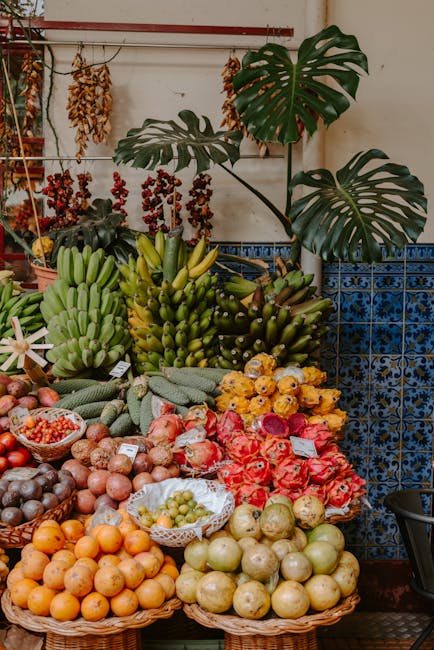
- Marché Municipal do Mondego: Avenida Ervedal? (check local signs). Fresh produce, cheeses and cured meats. Prices vary, but you can negotiate if you buy in quantity. Hours: generally early morning until around 14:00.
More food tips: avoid restaurants that don’t display a menu or that “recommend” a tourist set menu without showing the price. In many places, bread, oil or olives placed on the table can be charged as extras—if you didn’t order them, send them back or say clearly sem pão, por favor. An espresso costs on average €0.90–€1.50 at a local café and €1.80–€3.50 at a tourist terrace; if you pay by card, always verify the amount charged matches the written bill.
3) Transport, taxis and short tours: how to spot a rip-off
Transport scams can be subtle: refusing to use the meter, inflated fares for short trips, makeshift tuk-tuks asking for “donations,” and fake drivers offering a private circuit. Here’s how to protect yourself, with station addresses, typical prices and useful numbers.
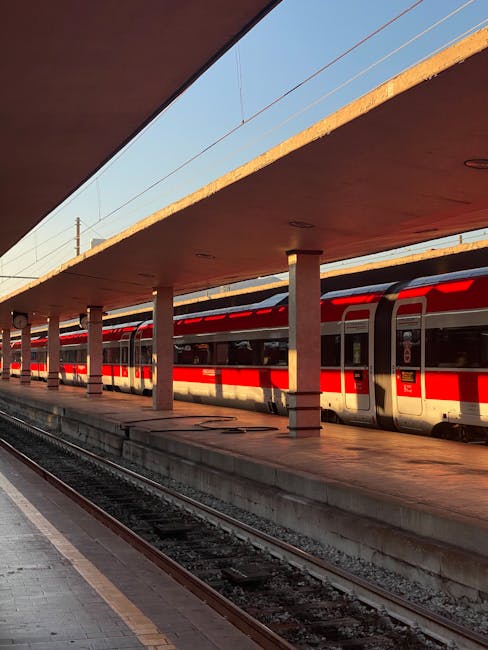
- Estação de Coimbra-B (main railway station): Avenida Dr. Emídio Navarro, 3000-200 Coimbra (approx.). National trains to Lisbon and Porto. Lisbon–Coimbra tickets: €12.60–€20.00 (depends on train and booking; Alfa Pendular fares are higher). Buy tickets on the official CP – Comboios de Portugal sites or at the station to avoid commissions.
- Estação de Coimbra-A (historic station): Praça da República? (check local sign). Frequent starting point for taxis and buses to the historic center. Official taxis display a license number on the door: check the meter is on. Typical in-city fare: €3.50–€4.50 pickup + €0.70–€1.00/km depending on time. Expect €6–€10 for the uphill ride from the station to the University depending on traffic.
- Rideshare apps: Uber and Bolt operate in Coimbra. Prices can be more transparent than some local taxis, especially at night.
- Tuk-tuks and little-vehicle tours: these promise to “show everything in 30 minutes.” Typical price: €15–€40 depending on length and negotiation. Ask at the tourist information point (Praça 8 de Maio, 3000-300 Coimbra) for official operators and their rates.
Practical advice: always agree on a fixed price in advance if the driver won’t use the meter. For excursions (e.g. Conímbriga, Buçaco) compare offers: a private minivan for four people can cost €60–€100 a day, while train + local bus is often much cheaper. If you need a taxi late at night, ask your hotel receptionist to call an official taxi and note the plate number on the receipt. Avoid unofficial drivers who pressure you into stopping at particular shops (it happens rarely but it exists)—tell the driver to drop you off at your exact address, not “near a shop.” Always keep the receipt: it contains the trip details and driver information.

4) Guided tours, souvenirs and small shops: spotting overpriced offers
Many tourists get caught by “exclusive” tours that cost three times what they should, or by imported souvenirs sold at local prices. Here are markers to tell a good deal from a rip-off, where to buy and how to haggle politely.
- Guided tours: official guides often gather near the University entrance and Praça 8 de Maio. Reasonable price for a 1h30 group tour: €10–€18 per person. Private tours offered on the street for €50–€80 may be legitimate, but always ask to see the guide’s license (guide card) and request a clear itinerary. Audio-guides and apps (self-guided walking tours) are a cheaper alternative: €3–€8 depending on the app.
- Souvenirs: avoid large tourist shops around Praça 8 de Maio that sometimes mark up common items 2–3 times. For genuine local products (cheeses, spices, canned goods), head to artisanal grocery stores like Mercearia de São Pedro (Rua Larga de Santa Cruz 44, 3000-431 Coimbra) or the local market, where quality tends to be better and prices fairer.
- Street photographers and portrait artists: if someone offers a portrait or professional photo, agree on the price up front. Freelancers often prefer cash; always ask for a sample of their work before paying. Reports exist of “forced souvenir photos” followed by steep payment demands, especially near heavily visited sites.
Haggling tips: bargaining is acceptable in markets, but do it respectfully. Start by offering 60–70% of the asking price and move up gradually. Don’t waste time haggling in fixed shops—prices are generally firm. Also be wary of “too good to be true” deals on antiques: genuine antiques have strict export rules and often require certificates—avoid buying without a receipt or clear provenance.
Conclusion: stay alert and enjoy Coimbra with peace of mind
Visiting Coimbra without getting ripped off takes a mix of preparation and common sense: check official prices for sites (Paço das Escolas, Biblioteca Joanina, Sé Velha, Mosteiro de Santa Clara), favor official sales points for tickets, and always watch the menu and bill at restaurants. The most common scams are often subtle—table extras you didn’t order, taxis refusing the meter, overpriced “private” tours—but they become easy to spot once you know official addresses, typical price ranges and standard opening hours. Information is your best ally: print or save this guide offline, note the important addresses (Largo da Universidade 3004-512 for the University of Coimbra, Praça 8 de Maio 3000-300 for the tourist info point, Rua António Augusto Gonçalves 3040-409 for Quinta das Lágrimas) and always ask for receipts for any significant purchase.
Beyond preventing scams, Coimbra is best explored at a leisurely pace: stroll the Almedina alleys, listen to Coimbra fado (look for reputable casas de fado and avoid those that impose a high « couver » without warning), buy local products in small grocery shops and let curiosity lead you rather than flashy « all-inclusive » deals that seem too good to be true. The city is compact and walkable, and many authentic experiences (student cafés, small concerts, markets) are budget-friendly if you move off the busiest routes.
Finally, follow a few simple rules: ask the price before ordering, check that the card machine amount matches the written bill, choose guides and operators recommended by the local tourist office, and keep your documents and receipts. With these precautions you’ll be able to enjoy Coimbra—from the austere beauty of Biblioteca Joanina to the romantic gardens of Quinta das Lágrimas—without your wallet taking the hit. Have a great visit, and don’t hesitate to refer back to this guide during your stay to check an address or a price.